Crypto Regulations and DeFi Trends in November 2025: AML, Mining Laws, and Exchange Scams
When it comes to crypto regulations, government rules that control how digital assets are used, traded, and taxed. Also known as cryptocurrency compliance frameworks, it shapes everything from who can trade to how much data exchanges must share. In November 2025, these rules hit hard. The FATF Travel Rule now forces exchanges to report transactions over $1,000 across borders. MiCA in Europe tightened reporting for VASPs. Meanwhile, the U.S. reminded everyone that holding over $10,000 in foreign crypto accounts means filing FBAR — or risking fines. These aren’t suggestions. They’re legal requirements with real penalties.
Across the globe, governments didn’t just regulate — they took control. Iran’s Central Bank, the national financial authority that now demands crypto miners hand over 30% of their output. Also known as state-controlled crypto mining, it’s a move to fund imports and block private crypto markets. This isn’t about banning crypto — it’s about owning it. At the same time, places like Zug, Switzerland, became the opposite: a Crypto Valley, a global hub with clear, innovation-friendly laws for blockchain businesses and stablecoins. Also known as Switzerland’s DLT Act zone, it’s where companies build because they know the rules won’t change tomorrow. These two extremes — control and freedom — define 2025’s crypto landscape.
DeFi is alive, but most tokens are dead
While regulations tightened, DeFi kept pushing. Liquidity mining, the practice of earning crypto by locking tokens in trading pools. Also known as yield farming, it’s still the engine behind DEXs like SithSwap and YuzuSwap. But here’s the catch: most projects offering it are ghosts. Tokens like SHEZMU, LEAD, and CND have zero volume. Others, like GYMNET and HAO, promise metaverse rewards and historical data storage — but no one’s using them. The real winners? Tools that work. rETH lets you stake Ethereum with just 0.01 ETH and still use your tokens in DeFi. USDN earns daily returns backed by U.S. Treasuries. SwapSpace lets you trade without signing up. ZoomEx gives 150x leverage with no KYC. These aren’t hype. They’re solutions.
And then there are the scams. Oswap? Doesn’t exist. Aryana? No audits, no reviews, no proof. BitcoinAsset X? A fee-paying fake airdrop. NFTP on Heco Chain? A lie. These aren’t mistakes — they’re traps. The same month that brought new laws also brought new ways to steal. You can’t trust a platform just because it has a fancy website. You need proof: audits, team names, liquidity, user activity. If it’s missing, it’s not DeFi. It’s a graveyard with a landing page.
This collection isn’t about guessing what’s next. It’s about knowing what’s real. You’ll find deep dives into the regulations that matter, the exchanges you can actually use, the tokens that have died quietly, and the airdrops you should ignore. No fluff. No promises. Just facts — and the warnings you need to protect your crypto.
International AML Standards for Crypto: What You Need to Know in 2025
International AML standards for crypto now require exchanges to share user data on transactions over $1,000. Learn how FATF rules, MiCA, and the Travel Rule shape global compliance in 2025 - and what it means for users and businesses.
View More
Iranian Central Bank Mandates Crypto Sales from Miners Under New 2025 Regulations
Iran's Central Bank now requires all crypto miners to sell 30% of their output directly to the state under new 2025 regulations. This mandatory sales policy is part of a broader effort to control digital assets, bypass sanctions, and manage energy use.
View More
Iranian Central Bank Mandates Crypto Sales from Miners Under New 2025 Regulations
Iran's Central Bank now requires crypto miners to sell 30% of their output to the state under new 2025 regulations. This move controls energy use, funds imports, and suppresses private crypto markets.
View More
SithSwap Crypto Exchange Review: Speed, Slippage, and StarkNet's Best AMM?
SithSwap is StarkNet's fastest and lowest-slippage DEX for stablecoin and volatile asset swaps. With near-zero fees, 98.7% settlement success, and a unique dual-mode AMM, it leads the L2 exchange space-but has limited token support and a steep learning curve.
View More
What is Gym Network (GYMNET) Crypto Coin? A Realistic Look at the DeFi Metaverse Project
Gym Network (GYMNET) is a small DeFi and metaverse crypto project on Binance Smart Chain. It offers yield farming, NFT rewards, and real-world payments via Ivendpay. High risk, low liquidity, and unproven features make it speculative.
View More
What is Daddy Tate (DADDY) crypto coin? The full story behind the meme coin tied to Andrew Tate
Daddy Tate (DADDY) is a Solana-based meme coin tied to Andrew Tate, launched in June 2024. It spiked to $300M market cap, then crashed 83%. No utility, no team - just hype and controversy.
View More
Oswap Crypto Exchange Review: Does This Exchange Even Exist?
There is no such thing as Oswap crypto exchange. It's a scam site mimicking real DeFi platforms. Learn how to spot fake exchanges, avoid phishing traps, and protect your crypto funds.
View More
Sterling Finance Crypto Exchange Review: A High-Risk DeFi Protocol with Near-Zero Activity
Sterling Finance crypto exchange is a dead DeFi protocol with zero liquidity, broken tokenomics, and no team. Avoid it completely - it's not worth the risk.
View More
ZoomEx Crypto Exchange Review: No-KYC Trading, High Liquidity, and 150x Leverage
ZoomEx is a no-KYC crypto exchange offering fast trading, 150x leverage, and top-tier liquidity. With over 2 million users and no ID requirements, it's ideal for privacy-focused traders. Compare fees, features, and performance against Binance and Bybit.
View More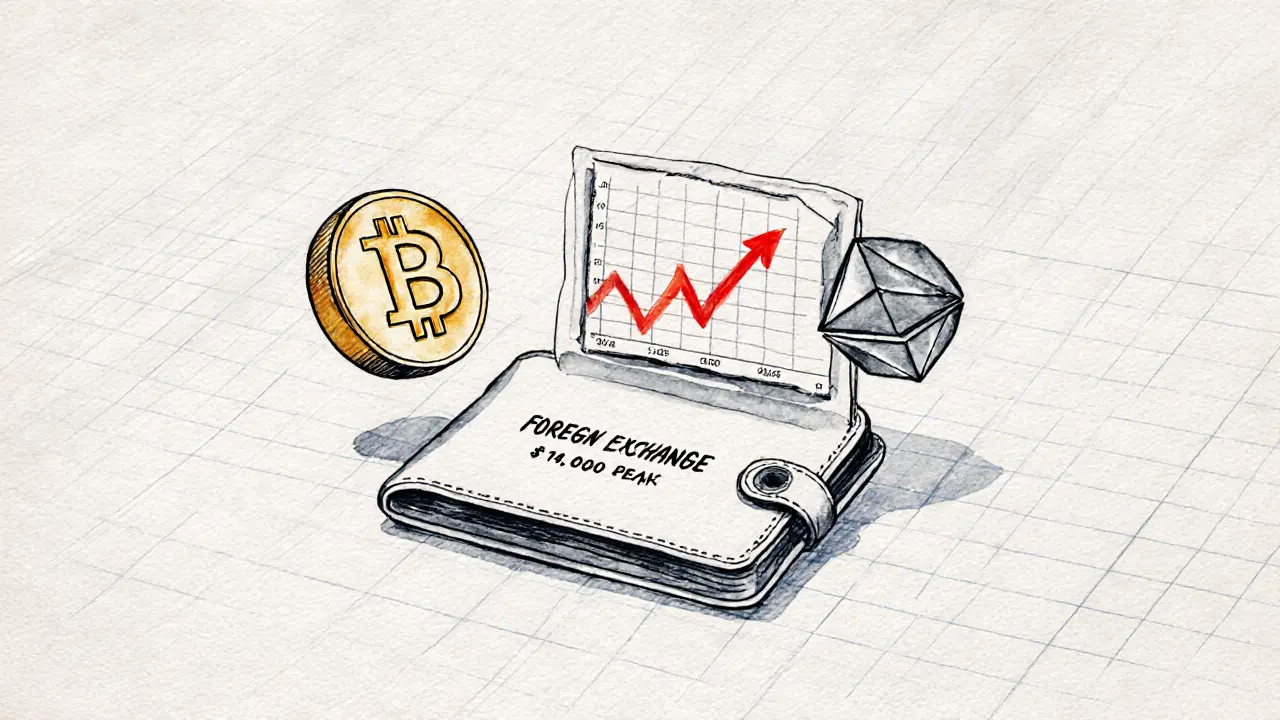
FBAR Requirements for Crypto Accounts Over $10,000: What You Need to Know in 2025
U.S. persons holding crypto on foreign exchanges over $10,000 may need to file FBAR. Learn the current rules, exceptions, penalties, and what to do in 2025 to stay compliant before regulations change.
View More
BunnyPark (BP) Airdrop: What We Know About Eligibility, Timing, and How to Participate
BunnyPark (BP) isn't live with an airdrop yet, but its growing DeFi+NFT platform and 72,000+ holders suggest one is coming. Learn how to prepare, what to watch for, and how to avoid scams.
View More
What is Rocket Pool ETH (rETH)? A Simple Guide to Ethereum Liquid Staking
rETH is Rocket Pool's liquid staking token that lets you stake Ethereum with as little as 0.01 ETH and earn rewards while keeping your funds usable in DeFi. Unlike other tokens, rETH increases in value over time as staking rewards accumulate.
View MoreLatest Posts