Nigeria Crypto Ban: What It Means for Users, Traders, and the Future of Crypto in Africa
When the Nigeria crypto ban, a 2021 directive from the Central Bank of Nigeria that barred banks from handling cryptocurrency transactions. Also known as CBN crypto restrictions, it was meant to protect the naira and prevent money laundering—but it didn’t stop Nigerians from using crypto. It just made them smarter about how they did it.
The Central Bank of Nigeria, the nation’s monetary authority that issued the ban and later walked it back in 2023 with a more nuanced stance. didn’t ban crypto itself—it banned banks from supporting it. That meant you couldn’t deposit naira to Binance or withdraw crypto earnings to your local account through standard channels. But people didn’t stop trading. They switched to peer-to-peer platforms, mobile wallets, and foreign exchanges that didn’t ask for ID. The result? Nigeria became one of the top crypto-adoption countries in the world, even after the ban. Meanwhile, crypto trading Nigeria, a thriving underground ecosystem that uses P2P marketplaces like Paxful and Binance P2P to bypass banking restrictions. grew stronger than ever. Traders learned to use USD-backed stablecoins like USDT to move value across borders, often faster and cheaper than traditional remittances.
The ban exposed a simple truth: you can’t stop people from using money they trust. For many Nigerians, crypto wasn’t a gamble—it was a lifeline. With inflation eating away at the naira and banks limiting withdrawals, crypto offered a way to save, send, and earn. The African crypto market, a fast-growing region where crypto adoption is driven by necessity, not speculation. didn’t just survive the ban—it used it as fuel. Countries like Kenya, Ghana, and South Africa watched closely. Some tightened rules. Others stayed quiet. But no one copied Nigeria’s heavy-handed approach. Today, the ban is mostly a memory. The CBN now allows licensed crypto firms to operate under strict oversight. But the real story isn’t in policy changes—it’s in what people did when the system failed them.
What you’ll find below are real stories, real platforms, and real risks tied to this moment. From exchanges that slipped through the cracks to tokens that survived the chaos, these posts show how crypto kept moving—even when the banks said it couldn’t.
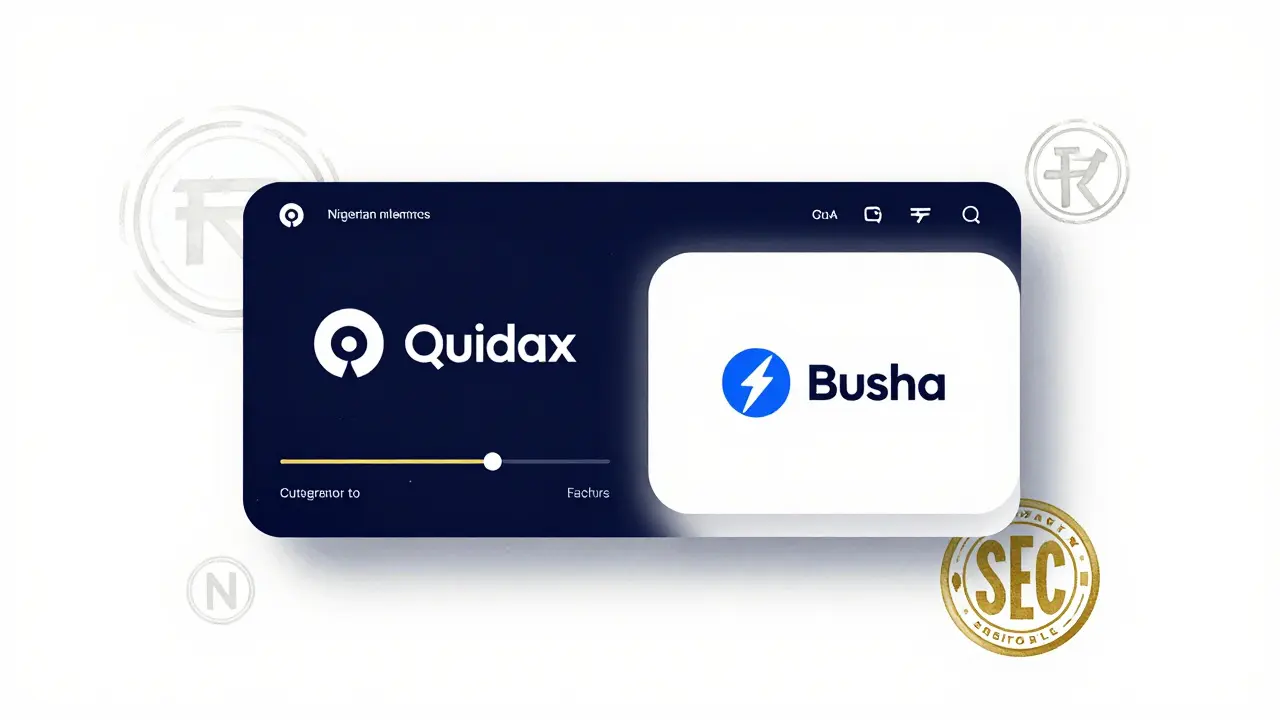
What Crypto Exchanges Are Banned in Nigeria in 2025?
As of 2025, Nigeria doesn't ban crypto exchanges outright-only unlicensed ones. Only Quidax and Busha are approved to offer Naira trading. Binance and others remain accessible but without legal protection.
View MoreLatest Posts