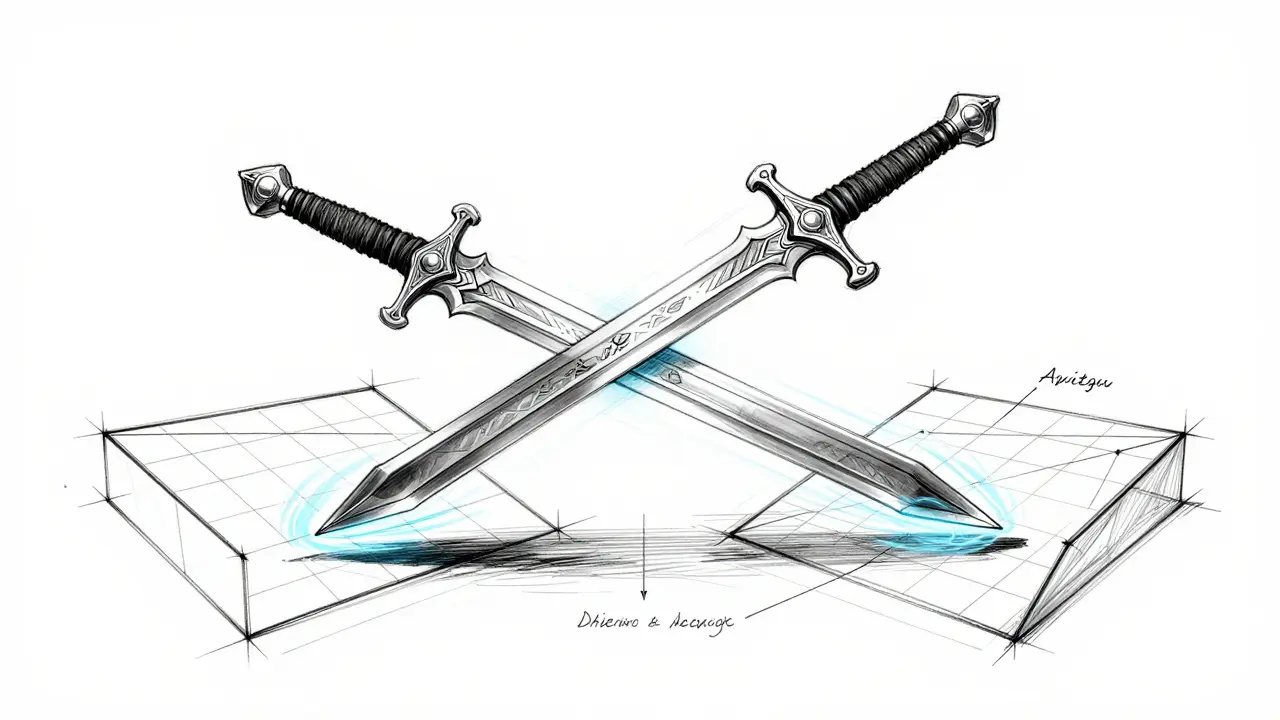
Imagine owning a rare digital sword in one video game and wanting to use it in another. In the real world, you just take the item with you. In the crypto world, that’s usually impossible. Your assets are stuck on the specific blockchain where you bought them. This fragmentation has been one of the biggest headaches for investors and creators since the early days of Web3. Enter Scotty Beam, a platform designed to solve this exact problem through its native token, SCOTTY. It aims to be the bridge that lets your digital assets move freely between different networks.
If you’ve stumbled upon the ticker symbol SCOTTY or heard about "NFT teleportation," you might be wondering if this is the next big thing in crypto or just another speculative coin. To answer that, we need to look past the hype and understand what the technology actually does, how the token works, and what the risks are as of May 2026.
The Core Problem: Blockchain Fragmentation
To understand why Scotty Beam exists, you first have to understand the mess it tries to fix. Blockchains like Ethereum, Solana, Polygon, and Binance Smart Chain operate like separate islands. They don’t natively talk to each other. If you buy an NFT on Ethereum, it lives on Ethereum. You can’t easily move it to Solana without selling it, converting the funds, and buying a new version on the other chain. This process is slow, expensive, and often results in losing the original asset’s history or rarity status.
This isolation limits liquidity. Collectors are forced to choose which ecosystem to participate in. Game developers can’t create seamless experiences across platforms. The NFT market, which saw explosive growth during 2021 and 2022, hit a wall partly because users were trapped in silos. Scotty Beam positions itself as the solution to this interoperability crisis. Its goal is to make moving non-fungible tokens (NFTs) across chains feel as easy as sending an email-seamless, instant, and universal.
How Scotty Beam Works: The Teleporter Technology
Scotty Beam isn’t just a simple bridge; it markets itself as a "cross-chain NFT teleporter." But what does that mean in practice? Traditional bridges often require you to lock your asset on Chain A and mint a wrapped version on Chain B. While functional, this can be clunky and risky if the bridge gets hacked.
Scotty Beam’s approach focuses on creating a unified experience for NFT movement. The platform acts as both a transfer service and a launchpad. Here is how the utility breaks down:
- Cross-Chain Transfer: Users can send NFTs from one blockchain to another without needing separate wallets for every single network. The platform handles the complex backend work of locking and minting.
- Cross-Chain INOs: Unlike most bridges, Scotty Beam also functions as an Initial NFT Offering (INO) platform. This allows creators to launch new NFT collections simultaneously on multiple blockchains. Instead of launching on Ethereum first and then trying to expand later, a creator can go live everywhere at once.
- GameFi Integration: For gaming finance projects, this means items earned in one game could theoretically be used in another, provided both games support the Scotty Beam infrastructure.
The technical backbone of this operation runs on the BNB Smart Chain. By leveraging the Binance ecosystem, Scotty Beam benefits from fast transaction speeds and low fees compared to Ethereum’s mainnet. This is crucial for micro-transactions and high-volume NFT trading, where gas fees on Ethereum could eat up the value of smaller assets.
Understanding the SCOTTY Token
The SCOTTY token is the fuel that powers this ecosystem. It’s not just a store of value; it’s a utility token. When you interact with the Scotty Beam platform, you likely need SCOTTY for various functions. While specific tokenomics details can shift, utility tokens in this space typically serve three main purposes:
- Transaction Fees: Paying for the computational cost of teleporting NFTs across chains.
- Governance: Holding SCOTTY may give you voting rights on platform decisions, such as which new blockchains to support next.
- Incentives: Users who stake their tokens might receive discounts on fees or earn rewards from the platform’s revenue.
As of May 2026, the circulating supply of SCOTTY stands at approximately 460.6 million tokens. This large supply is common among utility tokens designed for frequent, small-scale transactions. However, it also means that for the price to skyrocket, demand needs to increase significantly to absorb that volume.

Market Performance and Price Reality Check
Let’s talk numbers, because they tell a stark story about the current state of Scotty Beam. As of mid-May 2026, the SCOTTY token is trading around $0.000195 USD. At first glance, a sub-cent price might look cheap and attractive to retail investors looking for a "moon shot." But context is everything.
The all-time high (ATH) for SCOTTY was $0.31 USD. That means the token has dropped by roughly 99.83% from its peak. This is a brutal decline, but it’s not unique to Scotty Beam. Many altcoins launched during the 2021-2022 NFT boom experienced similar crashes as market enthusiasm cooled and regulatory scrutiny increased. The current market capitalization sits at roughly $238,000, classifying it as a micro-cap cryptocurrency.
| Metric | Value | Note |
|---|---|---|
| Current Price | $0.000195 | Average across major trackers |
| All-Time High | $0.31 | Reached during previous bull cycle |
| Market Cap | $238,492 | Micro-cap classification |
| 24h Volume | $1,652 - $9,080 | Varies by exchange |
| Network | BNB Smart Chain | Primary operating chain |
The trading volume is modest, ranging from $1,600 to $9,000 daily depending on the exchange. This indicates that while there is still active interest, it is primarily driven by retail traders rather than institutional investors. The recent week showed a slight positive momentum (+5.77%), suggesting some stabilization, but don’t mistake this for a reversal of the long-term trend without significant catalysts.
Important Distinction: Avoiding Confusion
Here is a critical warning for anyone looking into SCOTTY. There is another project called "Scotty The AI" that also uses the ticker SCOTTY on some exchanges. Do not confuse the two. Scotty The AI is focused on artificial intelligence applications and has different price metrics and zero reported volume on some platforms. Scotty Beam is strictly about NFT teleportation and runs on the BNB Smart Chain. Always verify the contract address and the official website (scottybeam.io) before making any transactions. Mixing these up could lead to buying the wrong asset entirely.

Risks and Challenges
Investing in or using Scotty Beam comes with significant risks that you must weigh carefully. First, the security of cross-chain bridges is a major concern in the crypto industry. Bridges are prime targets for hackers because they hold valuable assets in transit. If Scotty Beam’s smart contracts have vulnerabilities, users could lose their NFTs permanently. Always check if the platform has undergone independent security audits.
Second, adoption is key. For a teleportation platform to succeed, major NFT marketplaces, games, and metaverses need to integrate its technology. Right now, the ecosystem remains fragmented, and many large players prefer building their own proprietary solutions rather than relying on third-party bridges. If Scotty Beam fails to secure partnerships, the utility of the SCOTTY token diminishes.
Finally, regulatory uncertainty looms over all crypto projects. Governments worldwide are still figuring out how to classify NFTs and cross-border digital asset transfers. New regulations could impact how platforms like Scotty Beam operate, potentially restricting access or requiring compliance measures that increase operational costs.
Is Scotty Beam Worth Your Attention?
Scotty Beam addresses a genuine pain point in the crypto world: the inability to move digital assets freely. The concept of cross-chain NFT teleportation is essential for the future of GameFi and the Metaverse. If you believe that interoperability will become standard, Scotty Beam is an interesting experiment in that space.
However, the token’s performance tells a story of a project that has struggled to maintain momentum since the initial hype cycle. With a 99% drop from its highs and low trading volumes, it remains a high-risk, speculative asset. It is not a stable investment for conservative portfolios. Use it only if you deeply understand the technology, believe in the team’s ability to execute their roadmap, and are prepared to lose your capital. Always do your own research, verify the contract addresses, and never invest more than you can afford to lose.
What is the primary function of the Scotty Beam platform?
The primary function of Scotty Beam is to enable cross-chain NFT teleportation. It allows users to transfer non-fungible tokens between different blockchain networks seamlessly, acting as a bridge to overcome blockchain fragmentation.
Which blockchain network does the SCOTTY token operate on?
The SCOTTY token primarily operates on the BNB Smart Chain (formerly Binance Smart Chain). This choice allows for lower transaction fees and faster processing times compared to networks like Ethereum.
Is Scotty Beam the same as Scotty The AI?
No, they are completely different projects. Scotty Beam focuses on NFT teleportation and runs on the BNB Smart Chain. Scotty The AI is a separate project focused on artificial intelligence. Both may use the SCOTTY ticker on some exchanges, so always verify the contract address.
Why has the SCOTTY token price dropped so significantly?
The SCOTTY token has dropped nearly 99% from its all-time high due to broader market corrections in the NFT and crypto sectors post-2022, combined with the challenges of maintaining user adoption and competition from other cross-chain solutions.
What is a Cross-Chain INO?
A Cross-Chain Initial NFT Offering (INO) is a feature of Scotty Beam that allows creators to launch new NFT collections simultaneously on multiple blockchain networks, rather than being limited to a single chain.
Is Scotty Beam safe to use?
Like all cross-chain bridges, Scotty Beam carries security risks. Users should ensure the platform has undergone reputable security audits. Additionally, the speculative nature of the SCOTTY token means financial risk is high. Always use official channels and verify contract addresses.


John Gonzalez Bentham
12 May, 2026 . 10:41 AM
typical crypto hype. everyone thinks they can fix the blockchain mess with a new token that is already down 99 percent. it is just another rug pull waiting to happen.
Ellie Riddell
12 May, 2026 . 21:35 PM
it is funny how we keep inventing problems and then selling solutions to them like they are magic spells.
the concept of teleporting an NFT sounds cool in theory but in practice it is just wrapping assets until someone loses their keys or gets hacked. i suppose that is the price of progress? or maybe just the price of greed.
Bronwen Butler
12 May, 2026 . 22:48 PM
you people really think this is innovative. bridges have been around for years and half of them are compromised. scotty beam is just another layer of complexity for no real gain. stop buying shitcoins because they sound clever.
Michelle Bonahoom
13 May, 2026 . 21:00 PM
this is why i hate these foreign tech projects trying to dominate our markets. american investors deserve better than this garbage from overseas developers who dont even understand security. stick to ethereum and stay safe.
Matt Davis
15 May, 2026 . 17:37 PM
I am absolutely sick of reading these articles that pretend every new bridge is a revolutionary breakthrough. It is not. It is a smart contract wrapper that adds attack surface area. The fact that you are still discussing SCOTTY as if it has any utility is embarrassing. The market has spoken, and it said 'no'.
Bianca Vilas Boas Lourenço
17 May, 2026 . 14:37 PM
ugh another dead project 😩 why do we even bother looking at these charts anymore 📉💔
Jesse Alston
17 May, 2026 . 22:36 PM
Hey folks! 👋 Just wanted to add some context here. While the price action looks rough, the cross-chain INO feature is actually pretty unique if you look at the technical docs. Most bridges just move existing assets. Scotty Beam allows creators to mint simultaneously on multiple chains which reduces fragmentation at the source. It is a niche use case but valid for GameFi devs. 🚀🎮
Shelby Cantu
19 May, 2026 . 14:04 PM
Great point Jesse. I think many people overlook the utility aspect because they are focused solely on speculation. If the platform gains traction with game developers, the token demand could shift. Keep an eye on partnerships.
Ankush Pokarana
19 May, 2026 . 17:23 PM
the idea of interoperability is noble but execution is where dreams die. i have seen too many projects promise seamless movement and deliver only headaches. one must consider the philosophical implications of digital ownership when boundaries dissolve. does the asset remain yours if it exists in two places at once via wrapping mechanisms? it is a question of identity more than finance.
Yash Lodha
19 May, 2026 . 20:44 PM
have you noticed how all these cross-chain protocols are funded by the same venture capital firms that want to track your movements across networks? it is not about freedom it is about surveillance capitalism disguised as decentralization. the government will eventually regulate these bridges into oblivion because they cannot control the flow of value.
Kimberly Herbstritt
20 May, 2026 . 04:41 AM
i disagree with the doom and gloom. sometimes early adopters get burned but that is part of the journey. if this technology works it will be huge. lets give it a chance before writing it off completely.
John Gonzalez Bentham
20 May, 2026 . 07:20 AM
chance? there is no chance. it is a pump and dump scheme. look at the volume. nobody is buying except bots.
Samara McCallum
22 May, 2026 . 01:46 AM
oh my god everyone is so negative. life is short why waste it hating on tokens. i bought some just for fun. maybe it goes to zero maybe it moons. who cares. drama is boring anyway.
beti macedo
23 May, 2026 . 09:09 AM
Dear friends, it is important to remember that innovation often faces skepticism. The Scotty Beam team is working hard to solve real issues. We should support such initiatives with kindness and patience. Technology evolves slowly but surely. Do not let fear dictate your perspective.
Albert Lee
25 May, 2026 . 04:03 AM
I feel your pain, John. It is tough seeing investments drop like that. But remember, every great bull run starts after a bear market. Stay strong and keep learning. You got this! 💪✨
Sharada Vakkund
25 May, 2026 . 15:40 PM
Let us discuss the risks together. Understanding the contract addresses is crucial. Many users confuse Scotty Beam with Scotty AI. This confusion leads to unnecessary losses. We should educate ourselves and others to avoid such pitfalls. Knowledge is power in this space.
Sudarshan Anbazhagan
26 May, 2026 . 11:40 AM
it is evident that the lack of rigorous academic scrutiny in this sector leads to widespread misinformation. the notion that a micro-cap token can facilitate significant cross-chain liquidity is fundamentally flawed without institutional backing. one must analyze the whitepaper thoroughly rather than relying on superficial marketing materials which often obscure the true nature of the underlying technology and its limitations.