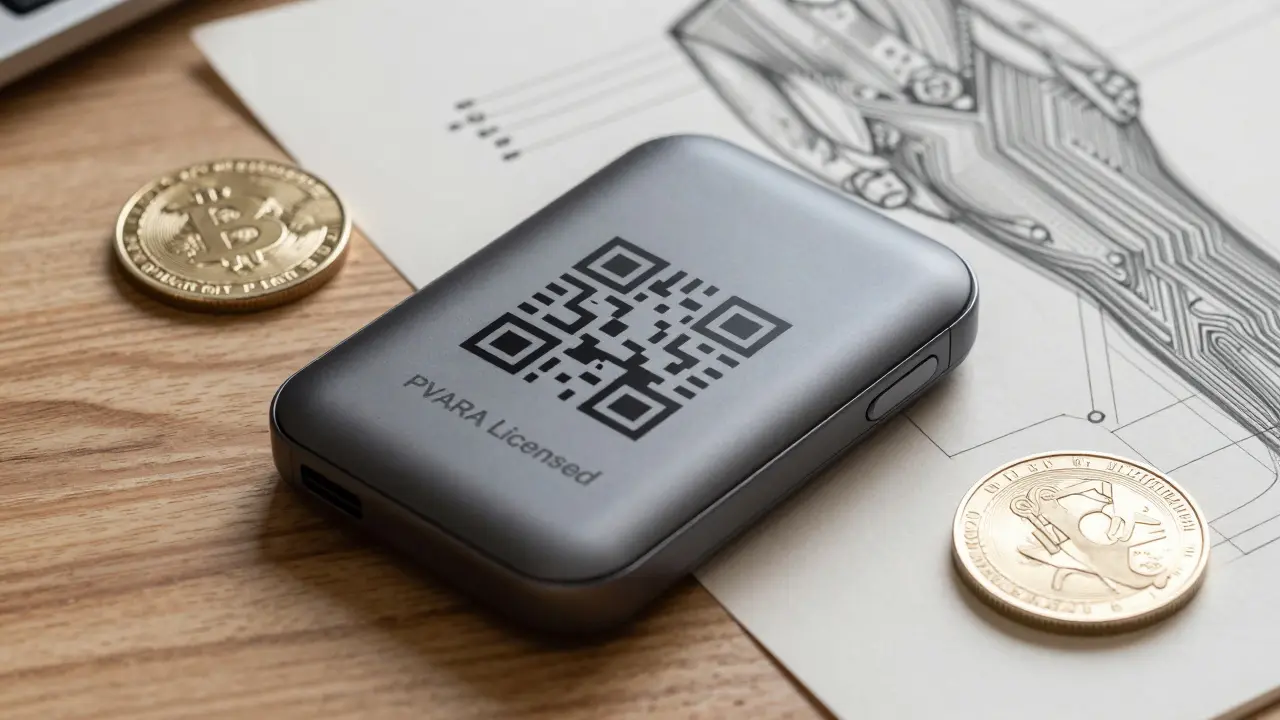
For years, owning Bitcoin or Ethereum in Pakistan felt like living in a legal gray zone. Banks blocked transactions. Exchanges shut down. People used peer-to-peer apps and cash trades just to hold digital assets. Then, in 2025, everything flipped. The State Bank of Pakistan didn’t just soften its stance-it reversed it entirely. By September, crypto was legal. Not just tolerated. Not just ignored. Officially, legally, legalized.
From Ban to Bill: The 2025 Turning Point
It started with silence. Since 2018, the State Bank of Pakistan had warned banks not to touch crypto. No accounts. No transfers. No exchanges. But underground markets kept growing. By 2024, Pakistan’s crypto market was worth over $21 billion-money moving outside the formal economy, untaxed, untracked, unregulated. The government couldn’t ignore it anymore. In May 2025, the Pakistan Digital Assets Authority (PDAA) got the green light. By June, a technical committee formed-Finance Ministry, SBP, SECP, Law, and IT-tasked with writing the rules. On July 8, President Asif Ali Zardari signed the Virtual Assets Bill 2025 into law by ordinance. It didn’t just lift the ban. It created a new regulator: the Pakistan Virtual Asset Regulatory Authority, or PVARA. PVARA wasn’t a token office. It was built to be powerful. Its job? License every crypto exchange, wallet provider, and trading platform. Enforce anti-money laundering rules. Track suspicious transfers. Prevent fraud. And most importantly-make sure no one could use crypto to bypass Pakistan’s strict capital controls.What’s Allowed? What’s Not?
Legal doesn’t mean free. Pakistan didn’t go full El Salvador. You can’t walk into a grocery store in Lahore and pay with Bitcoin. You can’t trade Dogecoin on a local app like you would stocks. The rules are tight.- Allowed: Holding crypto. Transferring it between wallets. Sending it overseas as remittances through licensed platforms.
- Not Allowed: Using crypto to buy goods or services. Open trading of altcoins. Crypto ATMs. Decentralized finance (DeFi) platforms. Any unlicensed exchange.
How It Compares to the Rest of the World
Pakistan’s model is unique. It’s not like the U.S., where you can buy Bitcoin on Coinbase and trade it on Binance. It’s not like the UAE, where Dubai has crypto hubs and tax-free zones for blockchain startups. And it’s not like India, where you pay 30% tax but can trade freely. Pakistan’s approach is closer to China’s-except China banned all private crypto. Pakistan lets you hold it, just not use it. That’s the twist. You’re not breaking the law by owning Ethereum. But if you try to pay your electric bill with it? You’re in trouble. This makes Pakistan an outlier in South Asia. India taxes crypto but lets people trade. The UAE invites crypto firms with visas and licenses. Pakistan says: “We see you. We’re watching. And we’re the only ones who can issue digital money.”Who Benefits? Who Gets Left Behind?
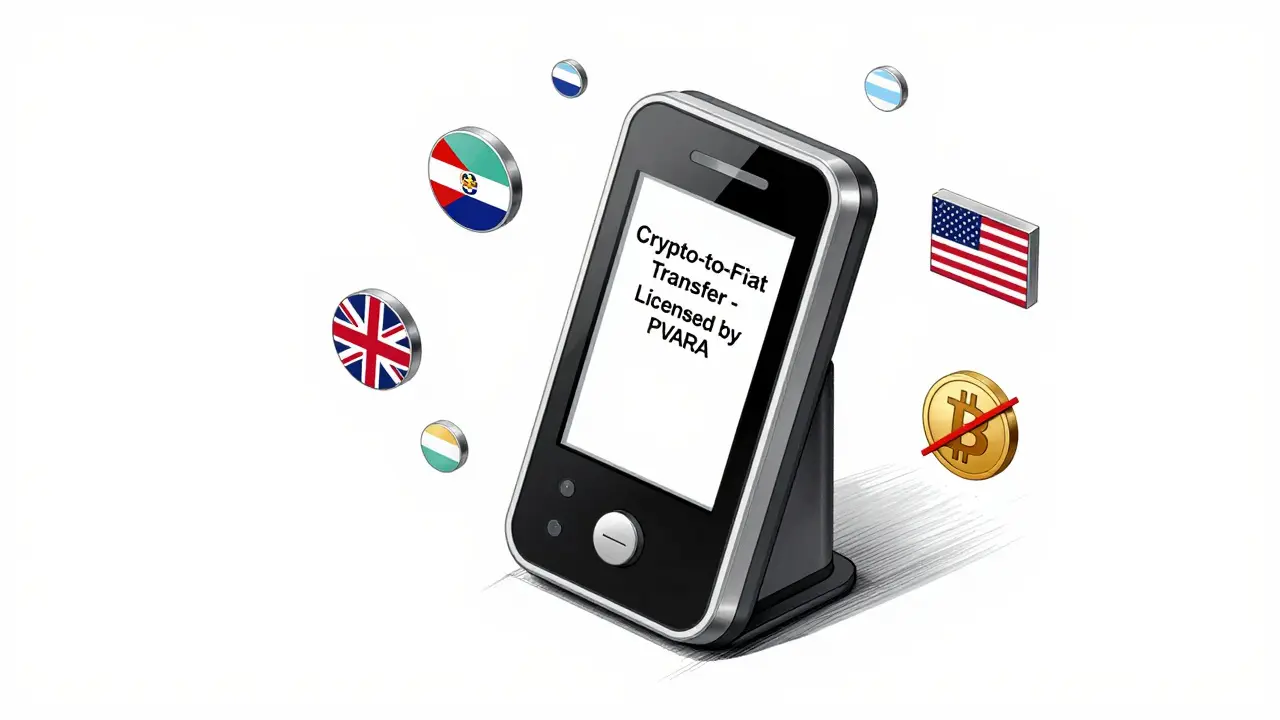
The winners? Remittance companies. Pakistan gets over $30 billion in remittances every year from workers abroad. Sending money through Western Union or MoneyGram costs 5-8%. With licensed crypto platforms, that could drop to 1-2%. PVARA is pushing partnerships with platforms that specialize in cross-border crypto-to-fiat transfers. That’s a real win for families relying on money from the Gulf or the UK. Fintech startups with government backing also have a clear path. If you’re building a wallet that connects to the Digital PKR, you get a license. If you’re building a DeFi app? No chance. The losers? Everyday crypto users who wanted freedom. People who bought Bitcoin in 2021 hoping to use it as a hedge against inflation. Now they can hold it-but they can’t spend it. They can’t trade it easily. They can’t earn interest on it. The market is open, but the doors are locked. Reddit threads in Karachi and Lahore are full of frustration. “They legalized it so they can tax it,” one user wrote. Another: “I waited seven years for this. Now I can’t even buy a coffee with my Bitcoin.”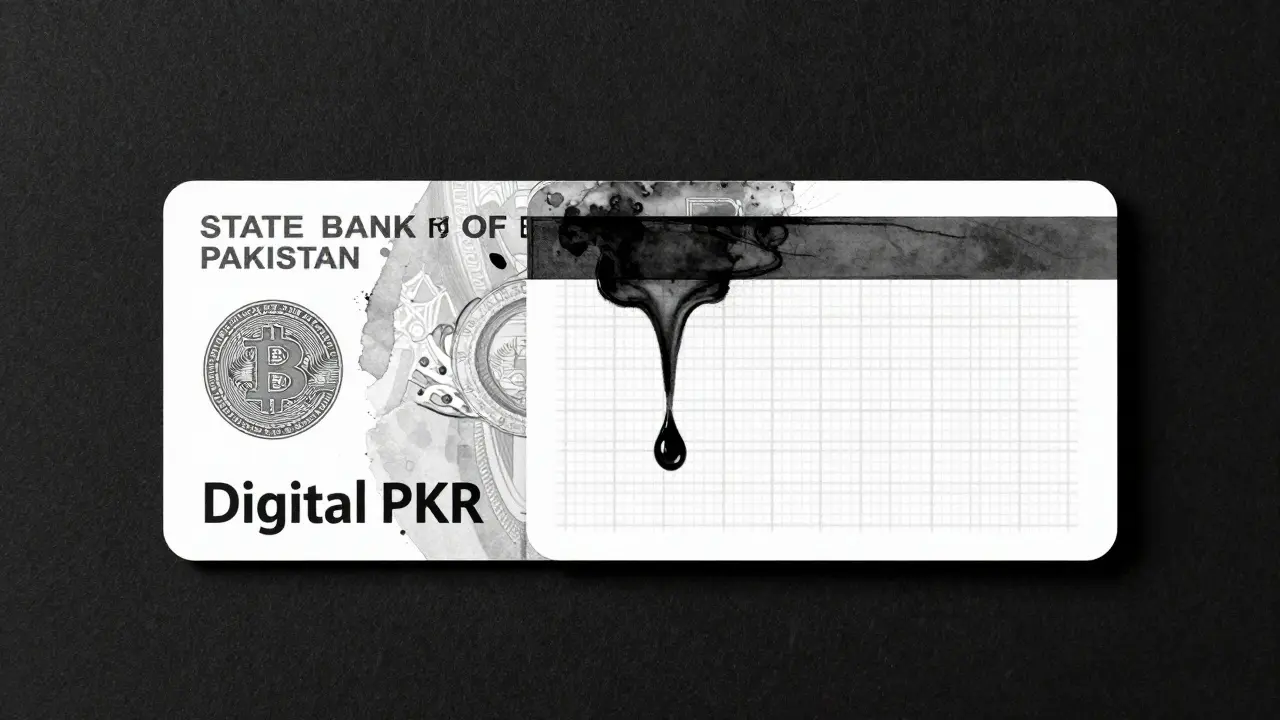





Mandy McDonald Hodge
31 December, 2025 . 11:32 AM
i legit cried when i heard this lol. after years of dodging bank blocks and using cash for btc, it feels like the universe finally said 'hey, you're not a criminal' 🥹
Bruce Morrison
1 January, 2026 . 22:13 PM
finally some sense from a government that usually just makes things harder
Andrew Prince
3 January, 2026 . 00:06 AM
It is my firm and unshakable conviction, grounded in decades of macroeconomic observation and institutional analysis, that this so-called 'legalization' is nothing more than a thinly veiled mechanism of fiscal capture, wherein the state seeks to monopolize the liquidity that has, for years, escaped its grasp through the informal crypto economy-thereby transforming what could have been a revolutionary leap toward financial sovereignty into yet another bureaucratic cage adorned with the glittering facade of legitimacy.
Jordan Fowles
3 January, 2026 . 06:41 AM
The real tragedy isn't that crypto is regulated-it's that it's regulated to death. You can own it, but you can't use it. That's not progress. That's a museum exhibit labeled 'what crypto could've been.'
Steve Williams
4 January, 2026 . 03:51 AM
This is a bold move. Many African nations are watching closely. If this works, it could be a blueprint for countries with high remittance flows but weak financial infrastructure.
nayan keshari
5 January, 2026 . 00:34 AM
Pakistan finally got it right. India still lets people trade crypto but taxes it at 30%. That's just theft with a spreadsheet.
Raja Oleholeh
6 January, 2026 . 13:18 PM
India is the real winner 🇮🇳🔥
Prateek Chitransh
8 January, 2026 . 00:36 AM
Ah yes, the classic 'we legalized it so we can tax it' move. Congratulations, you turned Bitcoin into a government-approved savings account with no interest. Truly inspiring.
christopher charles
8 January, 2026 . 16:03 PM
This is HUGE. I know people who’ve been sending money home via crypto for years-now they can finally do it legally. No more sketchy P2P apps. No more getting flagged by banks. This is the win we’ve been waiting for.
Amy Garrett
10 January, 2026 . 12:52 PM
i cant believe they made it legal but then made it useless?? like... why even bother??
Antonio Snoddy
10 January, 2026 . 19:49 PM
It's not about freedom. It's about control. And control, my friends, is the oldest religion. The State Bank didn't legalize crypto-they sanctified surveillance. Every wallet address is now a confession booth, and the priest? A bureaucrat with a spreadsheet and a security clearance. We thought we were escaping the system. Turns out we just moved into a new wing of it. Welcome to the digital penitentiary. The bars are made of code now.
Rajappa Manohar
11 January, 2026 . 22:58 PM
remittances are the real win here. hope it actually lowers fees
prashant choudhari
12 January, 2026 . 03:56 AM
This is a pragmatic approach. The government recognized reality and chose to regulate instead of deny. The restrictions make sense-preventing capital flight is critical for economic stability.
Willis Shane
12 January, 2026 . 14:03 PM
I find it deeply concerning that the state has chosen to centralize digital currency under its own control, effectively negating the core tenets of decentralization that made crypto appealing in the first place. This is not innovation-it is institutional colonization.
Josh Seeto
14 January, 2026 . 12:24 PM
So you can hold crypto but can’t spend it? Cool. So it’s just a digital collectible now. Like a rare Pokémon card you can’t trade.
surendra meena
15 January, 2026 . 14:58 PM
WHY DID THEY DO THIS??? PEOPLE WERE FINALLY FREE AND NOW THEY’RE PUTTING LOCKS ON EVERY DOOR?? THIS IS A TRAGEDY!!! THE GOVERNMENT IS SCARED OF REAL FREEDOM!!!
Kevin Gilchrist
17 January, 2026 . 06:16 AM
They didn’t legalize crypto-they weaponized it. Now they’ve got a real-time ledger of every dollar that used to slip through their fingers. Welcome to the panopticon, where your Bitcoin is your fingerprint.
Khaitlynn Ashworth
18 January, 2026 . 10:52 AM
Oh wow, so they legalized it... so they could tax it? Shocking. I'm sure no one saw that coming. Also, 'Digital PKR'? Sounds like a Microsoft Word template from 2003.
NIKHIL CHHOKAR
18 January, 2026 . 16:56 PM
Honestly, I think this is the most responsible thing they could’ve done. People were already using crypto-better to bring it into the light than pretend it doesn’t exist. Sure, it’s not perfect, but it’s a start.
Mike Pontillo
20 January, 2026 . 07:10 AM
They let you own it. But you can't spend it. So what? You're rich? Cool. Buy a yacht with your BTC. Wait, no-you can't. So what's the point?
Joydeep Malati Das
21 January, 2026 . 16:54 PM
The model is reminiscent of Singapore’s early fintech approach-controlled openness with clear boundaries. If implemented well, this could stabilize remittance flows and reduce informal capital flight.
rachael deal
22 January, 2026 . 12:40 PM
This is actually kind of beautiful. People were already doing it-now they’re not hiding anymore. It’s not perfect, but it’s real. And real progress is messy.
Elisabeth Rigo Andrews
23 January, 2026 . 18:11 PM
The integration of CBDC infrastructure with licensed crypto service providers creates a regulatory feedback loop that enhances AML/CFT efficacy while preserving monetary sovereignty-a paradigm shift in emerging market financial architecture.
Adam Hull
24 January, 2026 . 00:57 AM
Let me guess-the same people who spent years screaming 'decentralization!' are now quietly accepting a state-run digital currency with full transaction surveillance. How poetic. The revolution was always just a government grant application away.
Mandy McDonald Hodge
24 January, 2026 . 21:54 PM
i just hope they don’t shut down the licensed platforms next year like they did with the last exchange... i’m already nervous lol