Trust is the hardest currency to earn in the nonprofit world. For years, donors have asked a simple but difficult question: did my money actually reach the people who needed it? Traditional banking systems often hide fees, delays, and administrative overhead behind closed doors. Blockchain charity platforms are digital ecosystems that use distributed ledger technology to facilitate transparent, secure, and efficient cryptocurrency donations for nonprofits. These tools change the game by making every transaction visible, immutable, and traceable.
In 2026, this isn't just a futuristic concept. It’s a growing reality. The blockchain for non-profits market hit $500 million in 2025 and is projected to grow at a compound annual growth rate (CAGR) of 25% through 2034. Why? Because donors want proof, not promises. They want to see their contribution move from their wallet to a school in Kenya or a disaster relief fund in Japan without losing half its value to bank fees or getting lost in bureaucratic fog.
Why Blockchain Changes Everything for Nonprofits
Let’s look at the core problem first. When you donate via credit card or bank transfer, the process is opaque. You send money, the charity receives it, and months later, you might get a vague report saying "thanks for your support." With blockchain, the record is public and permanent. Every satoshi, every ether token, is tracked on a ledger that no one can alter retroactively.
This transparency builds trust. But it also solves practical headaches. Traditional cross-border payments are expensive. Sending $1,000 to a partner organization overseas might cost $30-$50 in wire fees and take three days. Cryptocurrency transactions, especially those using faster networks like Ethereum Layer 2 solutions or Litecoin, can settle in minutes with fractions of a cent in fees. This efficiency means more of your donation goes directly to the cause.
Furthermore, smart contracts-self-executing code on the blockchain-can automate parts of the process. Imagine a donation that only releases funds when a specific milestone is met, verified by an independent oracle. Or automatic tax receipts generated instantly upon payment confirmation. These features reduce the administrative burden on small charities that don’t have large finance teams.
Top Blockchain Charity Platforms Compared
Not all platforms are built the same. Some act as intermediaries converting crypto to cash immediately, while others let charities hold digital assets. Here is how the major players stack up in 2026:
| Platform | Primary Function | Crypto Support | Fees & Conversion | Best For |
|---|---|---|---|---|
| The Giving Block | Donation processing & fundraising tools | Bitcoin, Ethereum, stablecoins | Standard processing fees; optional auto-conversion | Nonprofits wanting full integration with existing donation pages |
| Every.org | Donor-advised fund (DAF) | Bitcoin, Ethereum, others | Zero fees for nonprofits; converts to GBP automatically | UK-based charities and donors seeking anonymity |
| BitGive | Transparent tracking via GiveTrack | Bitcoin, major altcoins | Low transaction costs; real-time impact updates | Projects needing high visibility into fund usage |
| Binance Charity | Humanitarian aid distribution | Binance ecosystem tokens | 100% to beneficiaries; Binance covers ops | Large-scale disaster relief and global initiatives |
| Engiven | High-security compliance platform | Multiple cryptocurrencies | Auto-converts to fiat; HMRC-compliant receipts | Religious organizations and regulated entities |
The Giving Block remains the industry standard for ease of use. It integrates seamlessly with popular donation software like Donorbox and Bloomerang, allowing charities to accept crypto without rebuilding their entire website. It supports NFT giving, which has become a new frontier for engaging younger, tech-savvy donors.
Every.org takes a different approach. Instead of letting the charity handle volatile crypto assets, it acts as a donor-advised fund. The donor gives crypto to Every.org, which immediately sells it and transfers fiat currency (like GBP or USD) to the charity. This removes the risk of price swings for the nonprofit entirely. If you’re a UK charity worried about regulatory complexity, Engiven offers similar benefits with a focus on strict financial reporting and HMRC compliance.
BitGive pioneered the concept of transparent tracking with its GiveTrack platform. Launched in 2013, it allows donors to follow their Bitcoin donations step-by-step. For example, the Chandolo Primary School Water Project in Kenya raised 1.2 BTC (roughly $15,000 at the time) in 2018. Donors could see exactly when the funds were used to buy materials and pay local workers. This level of granularity is rare in traditional philanthropy.
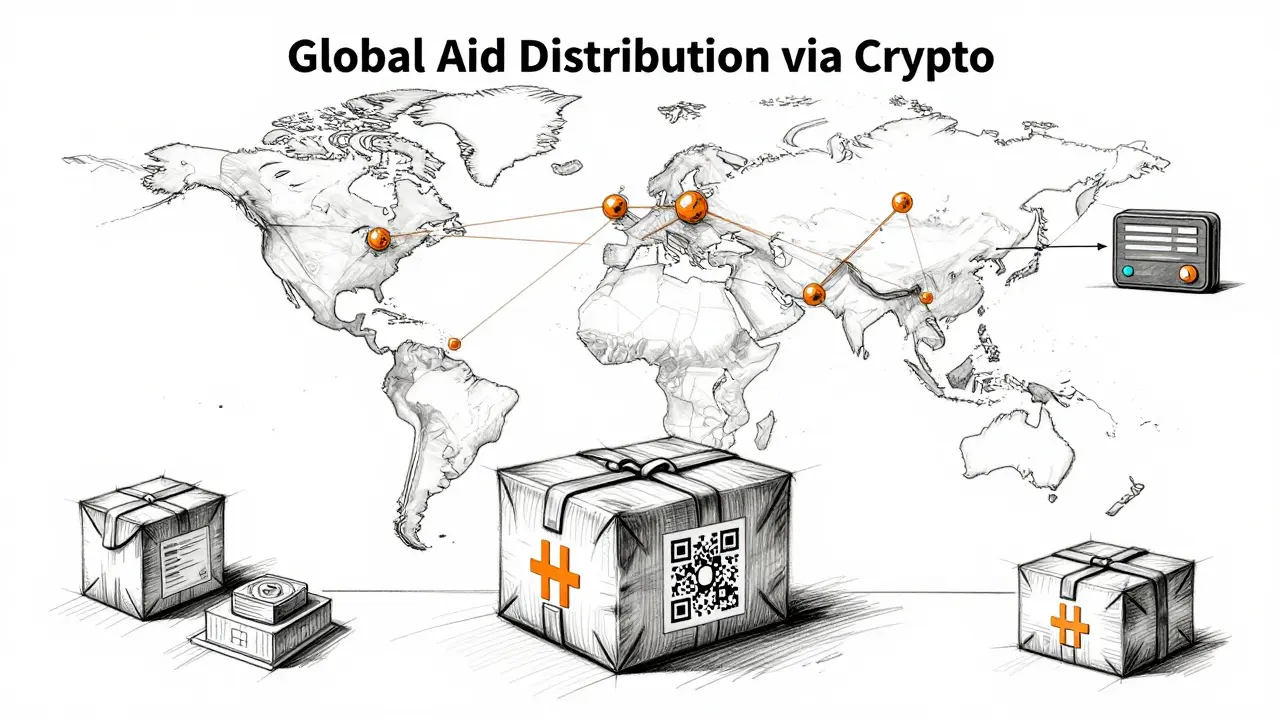
Real-World Impact: Beyond Just Money
The most compelling argument for blockchain charity platforms isn’t just lower fees-it’s accountability in action. The World Food Programme (WFP) implemented a system called "Building Blocks" in Jordanian refugee camps. By 2018, over 100,000 refugees were using biometric identification linked to blockchain wallets to redeem cash-for-food assistance. This eliminated the need for physical cards that could be lost or stolen and reduced transaction costs significantly. The system ensured that aid reached the intended recipients without corruption or leakage.
Similarly, Binance Charity has leveraged its massive user base to support humanitarian efforts globally. Their model guarantees that 100% of donations go to beneficiaries because Binance covers operational costs separately. This structure appeals to large-scale projects where transparency is critical for maintaining public trust during crises.
NFTs (Non-Fungible Tokens) are also emerging as a tool for engagement. Charities can issue limited-edition digital art pieces, with proceeds going to causes. Unlike traditional merchandise, NFTs have no shipping costs and can be traded secondary markets, sometimes generating ongoing revenue streams for the nonprofit if royalties are programmed into the smart contract.
Challenges and Risks to Consider
Despite the benefits, blockchain isn’t a magic bullet. Volatility remains a primary concern. If a charity accepts Bitcoin and holds it for even a few weeks, the value could drop significantly. Most platforms mitigate this by offering instant conversion to stablecoins (like USDC) or fiat currency. However, this requires careful setup and understanding of treasury management.
Regulatory uncertainty is another hurdle. Tax laws regarding crypto donations vary widely by country. In the US, donating appreciated crypto is tax-efficient because you avoid capital gains tax on the appreciation. In other jurisdictions, rules may be less clear. Platforms like Engiven and The Giving Block provide automated tax receipts, but charities must still consult with legal experts to ensure compliance.
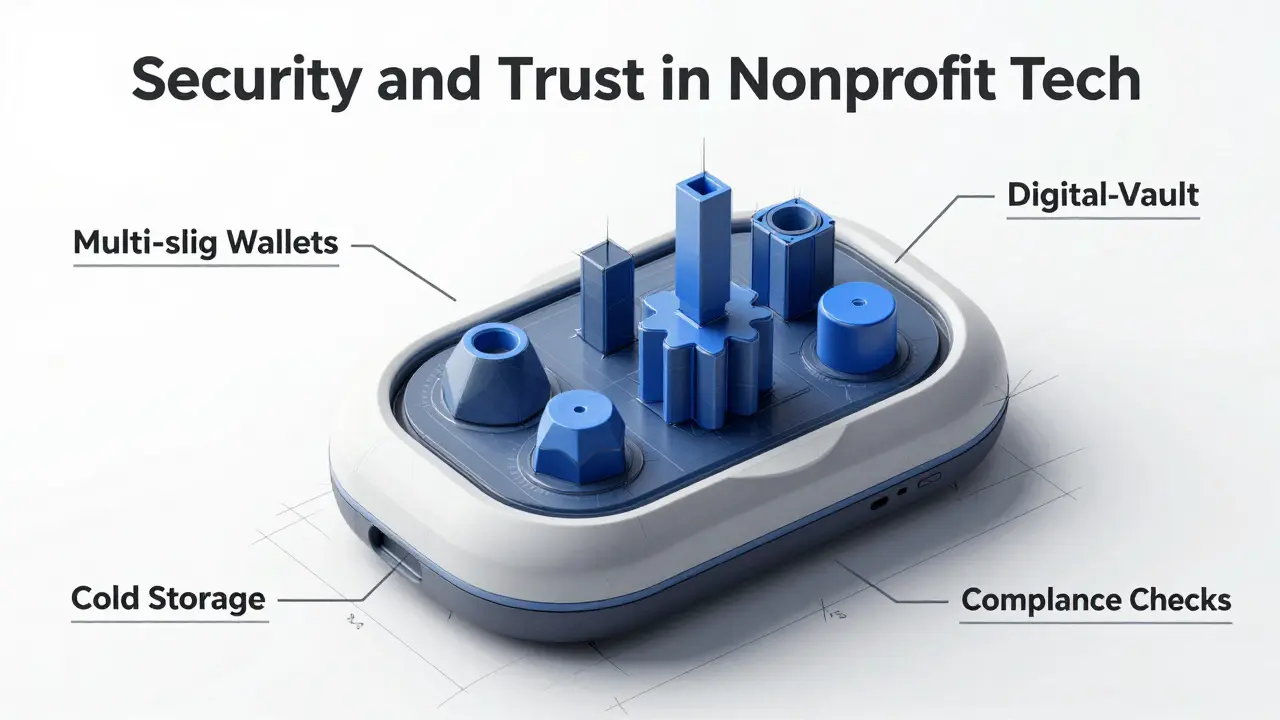
Security is paramount. While the blockchain itself is secure, the endpoints-wallets and exchanges-are vulnerable. Phishing attacks and private key theft are real risks. Nonprofits must implement robust security protocols, such as multi-signature wallets and cold storage for larger holdings. Education for staff and volunteers is essential to prevent human error.
How to Get Started with Crypto Donations
If you’re a nonprofit leader considering blockchain, start small. You don’t need to overhaul your entire operation overnight. Here is a practical roadmap:
- Choose a Platform: Evaluate providers based on your needs. Do you need simple integration (The Giving Block)? Do you want zero volatility risk (Every.org)? Or do you need granular tracking (BitGive)?
- Update Your Donation Page: Add a clear option for cryptocurrency donations. Include instructions on how to send funds securely, preferably using QR codes that link directly to the platform’s address.
- Educate Your Team: Train staff on basic crypto hygiene. Explain what a wallet is, how transactions work, and why private keys must never be shared.
- Communicate Transparency: Tell your donors why you’re accepting crypto. Highlight the benefits: lower fees, global accessibility, and enhanced transparency. Share stories of how past crypto donations made a difference.
- Monitor and Report: Use the data provided by your platform to track performance. Show donors real-time impact updates if possible. This reinforces trust and encourages repeat giving.
Remember, the goal isn’t just to collect crypto-it’s to build a more trustworthy relationship with your supporters. Blockchain provides the tools to do that, but the heart of charity remains human connection.
The Future of Philanthropy
As we move further into 2026, the lines between traditional and digital philanthropy are blurring. AI-powered analytics will help charities identify potential crypto donors more effectively. Supply chain tracking for humanitarian aid will become standard, ensuring that medical supplies and food reach the right hands. And hybrid models combining online campaigns with offline community events will leverage blockchain for seamless ticketing and membership management.
The shift is inevitable. Donors increasingly demand accountability. Technology now makes it possible to deliver. Blockchain charity platforms aren’t just about accepting Bitcoin-they’re about redefining what it means to give with confidence.
What is a blockchain charity platform?
A blockchain charity platform is a service that enables nonprofits to accept cryptocurrency donations securely and transparently. These platforms use distributed ledger technology to track funds, automate processes like tax receipting, and often convert crypto to fiat currency to protect charities from market volatility.
Are crypto donations safe for charities?
Yes, if managed correctly. The blockchain itself is highly secure and immutable. Risks come from poor security practices, such as weak passwords or phishing scams. Using reputable platforms like The Giving Block or Every.org reduces these risks by handling custody and conversion professionally.
Do charities have to pay taxes on crypto donations?
In many countries, including the US, qualified charitable organizations do not pay income tax on donations, whether they are in cash or crypto. However, regulations vary globally. It is crucial for nonprofits to consult with tax professionals to understand local laws and reporting requirements.
Which blockchain charity platform is best for beginners?
For most nonprofits new to crypto, The Giving Block is recommended due to its user-friendly interface and integrations with existing donation software. Every.org is also excellent for those who want to avoid holding crypto assets altogether, as it converts donations to fiat immediately.
Can donors remain anonymous when giving crypto?
Yes, cryptocurrency inherently allows for pseudonymous transactions. Donors can send funds without revealing their identity publicly. Platforms like Every.org specifically cater to donors who wish to maintain privacy while supporting causes.