
Imagine waking up to find that your high-tech mining rig isn't just a liability-it's a ticket to a prison cell. That is the current reality in Angola. After a brief period of being the "wild west" for Bitcoin miners, the country pivoted sharply. As of April 2024, Angola has transitioned from being Africa's biggest crypto mining hub to one of the most dangerous places on earth to run a hash rate. The government didn't just suggest miners leave; they criminalized the entire process.
The Legal Hammer: Understanding Law No. 3/24
On April 10, 2024, the Angolan government officially rolled out Law No. 3/24 is a rigorous legal framework that prohibits the mining of cryptocurrencies and other virtual assets throughout the national territory . This isn't a vague guideline or a tax change; it is a comprehensive prohibition. To understand why this is so severe, you have to look at how the law defines the act. The legislation views mining as the process of validating transactions and solving cryptographic puzzles to secure the Blockchain . By targeting the technical process itself, the government left no loopholes for "cloud mining" or "experimental" setups.
The ban focuses on three specific triggers that can land a person in legal trouble:
- The actual act of mining cryptocurrencies or virtual assets anywhere in the country.
- Using electrical installation licenses specifically for mining purposes.
- Connecting any equipment meant for mining to the National Electrical System.
High Stakes: Prison Time and Confiscation
Angola isn't playing around with slap-on-the-wrist fines. The penalties associated with Angola crypto mining ban are designed to terrify potential operators. If you are caught mining after the April 2024 deadline, you could face between one and twelve years of imprisonment. For foreign nationals, the government adds a layer of severity: you can be expelled from the country and banned from holding office.
Perhaps the most alarming part of the law is that you don't even need to be actively mining to be arrested. Simply possessing the infrastructure-the ASIC miners, the specialized power supplies, the cooling systems-can result in one to five years in prison. Once the handcuffs go on, the government seizes everything. All related assets are confiscated, meaning your entire capital investment vanishes instantly.
The Energy Crisis: Why Angola Said No
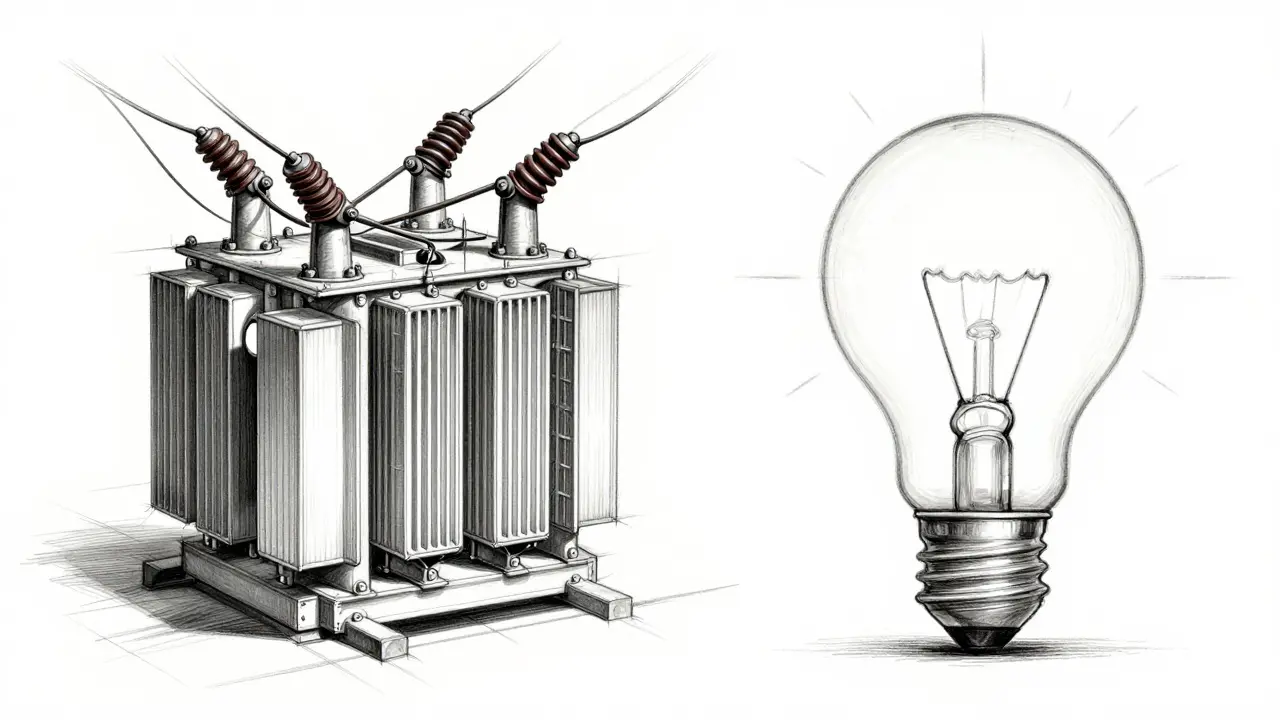
Why would a country go from welcoming miners to imprisoning them? The answer lies in the power grid. Angola serves roughly 39 million residents, many of whom struggle with unstable electricity. When Bitcoin mining surged, the energy consumption rates skyrocketed. Local electric utility providers found themselves in a nightmare scenario: they couldn't guarantee basic electricity to residential neighborhoods because industrial-scale mining farms were sucking the grid dry.
| Factor | Before the Ban (Q4 2023) | After Law No. 3/24 (2024+) |
|---|---|---|
| Global Mining Rank | 8th Largest Center Globally | Active crackdown/Prohibited |
| Grid Stability | Severe strain; residential outages | Priority shifted to essential services |
| Primary User Base | Large-scale Chinese enterprises | Residential and local industry |
By prioritizing energy security, the government decided that the theoretical economic benefit of hosting blockchain nodes wasn't worth the reality of blackouts for millions of its citizens.
The Great Migration and the Interpol Crackdown
The rise of mining in Angola was largely a side effect of China's 2021 ban. Many Chinese firms packed up their hardware and moved to the west-central coast of Southern Africa, attracted by the potential for power and the country's existing trade ties with China. This created a massive, concentrated hub of mining activity. However, the honeymoon ended in August 2024.
In a massive coordinated effort, Interpol worked with Angolan authorities to dismantle 25 illegal mining facilities. The scale of this operation was staggering: 60 Chinese nationals were arrested, and equipment worth over $37 million was seized. The government's response to this windfall was unique-they announced plans to redistribute the value of these seized assets to support vulnerable areas through social initiatives.
This wasn't an isolated event. It was part of a larger African cybercrime sweep that saw over 1,200 arrests and the recovery of nearly $100 million across the continent. It sent a clear message: the era of hiding mining farms in industrial zones is over.
The Grey Areas and Legal Uncertainties
Despite the harshness of the law, it isn't perfect. Legal experts, including those from CMS Law Firm, have pointed out technical glitches in the legislation. There are apparent errors in how the articles are numbered, specifically regarding penalties for "legal persons" (companies) versus "natural persons" (individuals). While this might seem like a minor typo, in a court of law, such errors can create uncertainty in how penalties are enforced.
It is also worth noting a critical distinction: the ban is on mining, not necessarily the ownership of digital assets. While the outlook for Bitcoin enthusiasts in the country has dimmed, the government's focus remains on the energy-intensive process of creating new coins, rather than the simple act of holding a digital wallet.
Is it illegal to own Bitcoin in Angola?
The Law No. 3/24 specifically targets the mining process-generating and validating blocks on the blockchain. The law focuses on the energy consumption and infrastructure used for mining. While the legal environment for trading or holding digital assets remains complex, the most severe criminal penalties are reserved for those operating mining hardware.
What are the penalties for possessing mining equipment?
Possession of information and communications equipment used for virtual currency mining is punishable by one to five years of imprisonment. Additionally, the government will confiscate all equipment and related assets.
Why did Angola ban mining specifically?
The primary driver was energy security. Large-scale mining operations created an unsustainable strain on the national power grid, leading to electricity shortages and instability for residential users and essential services.
When did the ban take effect?
The ban officially took effect on April 10, 2024, following the publication of Law No. 3/24.
Were there any international operations against miners in Angola?
Yes, in August 2024, Interpol coordinated a major crackdown that resulted in the closure of 25 illegal facilities and the seizure of over $37 million in equipment, primarily operated by foreign nationals.
What's Next for Miners and Investors?
If you are an investor or a technical operator, the takeaway is simple: do not attempt to set up mining operations in Angola. The risk-to-reward ratio has shifted entirely toward risk. For those who previously operated there, the only safe move is total divestment and removal of hardware from the territory.
For the broader crypto community, Angola's move reflects a growing trend across Africa and Asia where energy sovereignty is being prioritized over the decentralized dream of blockchain. As the network seeks new homes, expect more countries to follow Angola's lead if mining starts to compete with the basic needs of the population.




Omotola Balogun
13 April, 2026 . 19:35 PM
Honestly this is just basic economics. You can't have industrial scale mining when the local grid is barely holding on. Those Chinese firms basically treated the country like a free buffet of electricity and it was bound to end in a disaster. People act like it's some big surprise, but the strain on public utilities always leads to this kind of crackdown. It's common sense really, though most crypto bros ignore the actual physics of power grids. Just a total failure of planning by the operators who thought they could hide in plain sight forever. This is exactly why centralized power grids and decentralized mining are a terrible match without dedicated infrastructure.
Tracie and Matthew Hartley
15 April, 2026 . 18:17 PM
imagine thinkin the govt actually cares bout the ppl and not just wanting the gear for themselvs lol
James Bone
16 April, 2026 . 08:41 AM
The sheer arrogance of the blockchain dream is on full display here. We pretend this digital gold is some liberating force, but in reality, it's just a parasite that consumes the most fragile parts of the global energy infrastructure. It's almost poetic that the very thing meant to decentralize power ends up causing literal power outages for millions of people. The moral bankruptcy of prioritizing hash rates over a child's ability to have a lightbulb for homework is staggering. It's not a 'migration' of industry, it's a plague moving from one host to another until the host finally develops an immune response in the form of a prison sentence. We are just witnessing the inevitable collision of digital delusions and physical reality.
Akshay Gorad
18 April, 2026 . 08:23 AM
The decision to prioritize essential services over mining is a reasonable step for any developing nation.
Rob Mitchell
18 April, 2026 . 13:34 PM
Energy sovereignty is key here. Most nations prioritize the grid.
Aaliyah BROTHERS
19 April, 2026 . 13:09 PM
SURELY this is just a front for something bigger!!! The Interpol 'sweep' is a total smoke screen to hide the fact that the global elite are just consolidating the hardware for their own secret projects!!! Why else would they seize 37 million in gear and then claim it's for 'social initiatives'?! It's a total scam to seize private property under the guise of public good!!! Wake up people!!! The grid was probably fine and they just wanted the ASICs for their own surveillance networks!!!
william manes
19 April, 2026 . 20:37 PM
Get out of our way 🇺🇸. These clowns deserve jail 🤡. USA first! 🦅
Tyler Webb
20 April, 2026 . 12:56 PM
It's really sad to see people losing their investments like this, but I guess the grid has to come first. :(
Adam Auksel
21 April, 2026 . 18:46 PM
It's a tough lesson for everyone involved. 📈 Hopefully we can find more sustainable ways to grow the tech without hurting locals! 🌍
7stargee Emmanuel Obani
23 April, 2026 . 07:03 AM
Total joke. The govt just wants the money. :)
Kelly Cantrell
24 April, 2026 . 03:31 AM
This is exactly how the Great Reset starts. They ban the mining, seize the assets, and then control the currency. It's all happening in plain sight and people just think it's about 'electricity' problems. The coordinated Interpol strike proves this is a global agenda to strip individuals of their ability to generate independent wealth. Once they take the hardware, they have the monopoly.
Surender Kumar
25 April, 2026 . 02:11 AM
I think its gud that they are helpin vunerable areas with the seized stuff. a win win i guess
Scott Fenton
25 April, 2026 . 16:01 PM
The legal discrepancies regarding natural and legal persons may indeed provide a narrow avenue for defense, although the overarching intent of Law No. 3/24 remains quite clear. One must be extremely cautious when interpreting such statutes in jurisdictions where judicial discretion is broad. It is advisable to ensure total compliance to avoid the severe penalties mentioned.
Jonathan Chamma
25 April, 2026 . 17:03 PM
Wow, that's a wild ride. Just a bunch of folks trying to make a buck and then boom, prison time. It's a real shame the power situation is so dicey there, but it makes sense to keep the lights on for the neighbors first. Just keep it simple: don't plug in a rig where you aren't welcome!
Lauren Abrams
26 April, 2026 . 17:08 PM
Just watching from the sidelines here. Interesting move by the government.