Confusion often clouds the waters when it comes to ZKSwap V3 airdrop details, especially with the recent rise of the ZKBase (ZKB) ecosystem. If you are searching for how to claim tokens or verifying if a specific distribution is legitimate, you might be mixing up two distinct but related projects. Let's clear the fog.
The core issue here is that ZKSwap and ZKBase operate in the same zero-knowledge proof space, but they have different token histories and distribution methods. ZKSwap historically used the ZKS token, while ZKBase utilizes the ZKB token. Understanding this distinction is critical before you connect your wallet to any platform claiming to offer an "official" airdrop.
Understanding the ZKSwap vs. ZKBase Distinction
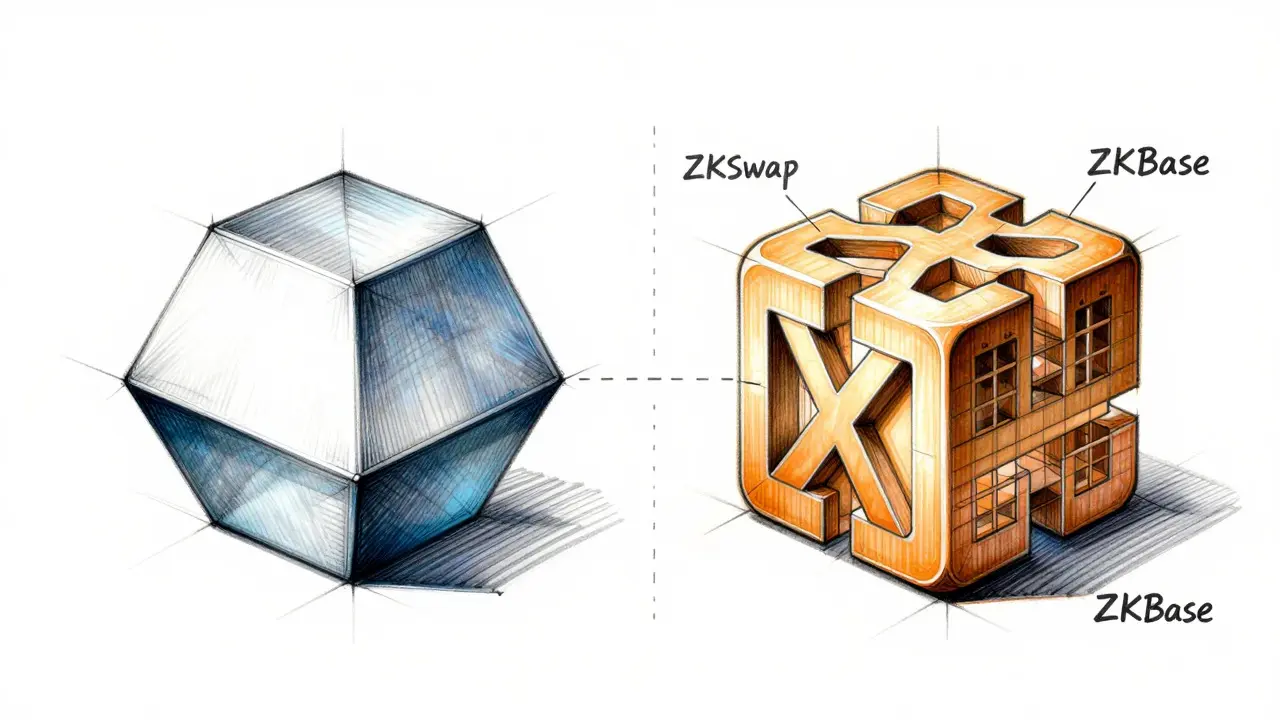
To navigate this landscape, you first need to separate the entities. ZKSwap is a decentralized exchange protocol built on ZK-Rollup technology for Layer 2 scaling. It focuses on providing high-throughput trading with low fees. Historically, its native token was ZKS. On the other hand, ZKBase is a broader infrastructure project that includes payment services like ZKSquare and uses the ZKB token as its primary asset. While they share technological DNA regarding zero-knowledge proofs, their tokenomics and airdrop strategies are not identical.
Many users search for "ZKSwap V3 airdrop by ZKBase" because both projects evolved around similar timelines and technologies. However, there is no single, unified "V3 Airdrop by ZKBase" in the traditional sense. Instead, you are likely looking at either historical ZKSwap distributions or newer ZKBase ecosystem incentives. Mixing these up can lead to missed opportunities or, worse, falling for scams that exploit the name similarity.
Historical Context: The ZKSwap V3 Testnet Campaign
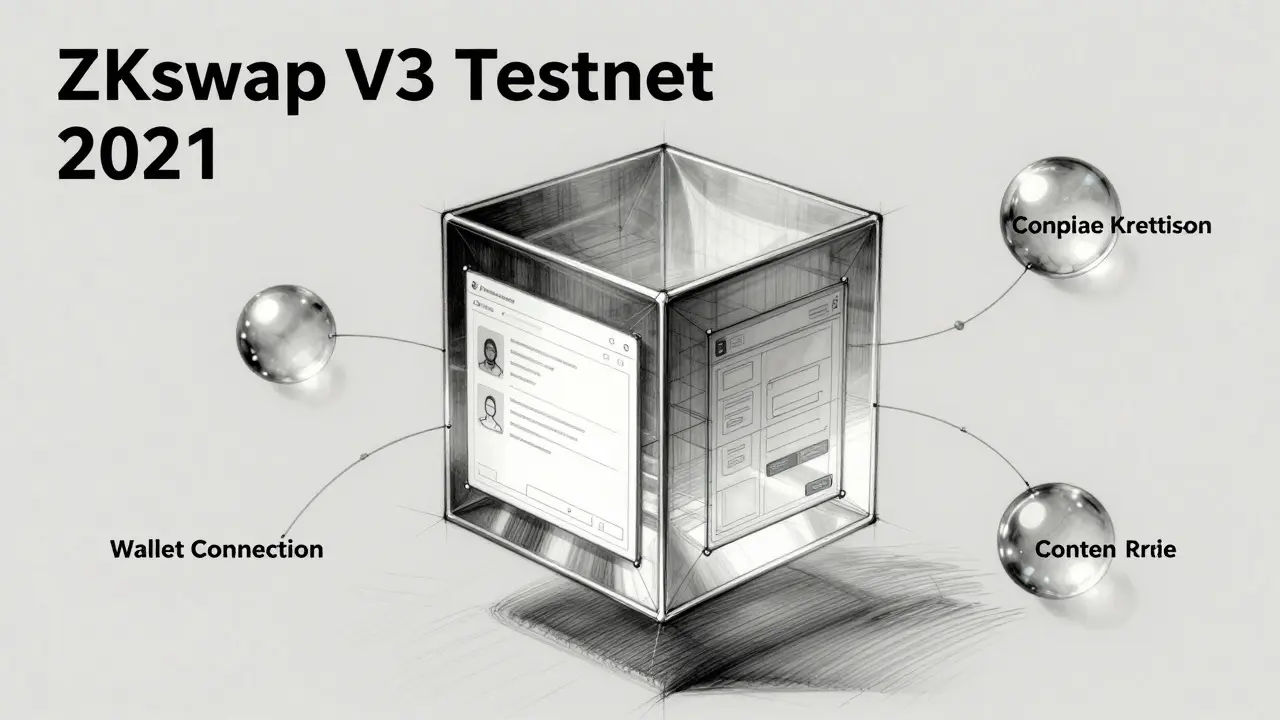
If your interest stems from the specific mention of "V3," you are likely referring to the ZKSwap V3 Testnet campaign that took place in December 2021. This was not a mass airdrop to all holders but a targeted incentive program for testers. The goal was to stress-test the new version of the exchange, which introduced NFT support and an optimized user interface.
The rewards structure for this specific event was modest compared to mainnet launches. The team distributed 50,000 ZKS tokens, valued at approximately $30,000 at the time. To qualify, participants had to do more than just hold a token; they needed to engage actively with the platform. Here is what the eligibility looked like:
- Platform Interaction: Users had to connect their MetaMask wallets to the Ethereum Rinkeby Test Network.
- Content Creation: Participants were required to write comprehensive reviews of at least 300 words on the official forum.
- Social Proof: Links to these reviews had to be posted on Twitter using the hashtag #V3TestnetFeedback# along with the participant's wallet address.
The awards were split into two categories. The "Best Contribution Award" gave 500 ZKS tokens each to 60 selected authors who provided the most detailed and accurate bug reports. The "Honorable Mention Award" provided 100 ZKS tokens each to 200 other participants. This approach ensured that the feedback received was high-quality and actionable for the development team. If you participated in this back in 2021, those rewards were distributed by December 23, 2021. There is no ongoing claim period for this specific testnet campaign.
The ZKB Token Ecosystem and Current Status
Shifting focus to the ZKB token, we see a different picture. ZKB is the native utility token for the ZKBase ecosystem. As of recent data, the maximum supply is capped at 600 million ZKB, with a circulating supply hovering around 197.44 million. Unlike the historical ZKS airdrops, ZKBase has focused more on ecosystem integration rather than large-scale public airdrops for the general public.
The ZKBase platform encompasses three primary components that define its value proposition:
- ZKSwap: The Layer 2 AMM DEX utilizing ZK-Rollups for fast, private transactions.
- ZKSquare: A payment service designed for seamless cross-chain transfers.
- Infrastructure Elements: Additional tools supporting the zero-knowledge proof network.
Currently, there is no widely documented, open-ended airdrop for ZKB tokens targeting casual users in the same way early DeFi protocols did in 2021. Most distributions have been tied to specific partnerships, liquidity mining campaigns, or governance voting rights. If you see a site claiming a massive, free ZKB airdrop without requiring significant interaction or verification, exercise extreme caution. The lack of a major, centralized "claim now" page for ZKB suggests that any current distributions are likely niche or partnership-specific.
Comparing ZKS and ZKB: Key Differences
To help you decide where your attention should go, let's compare the two tokens and their associated platforms. This table highlights the critical differences that affect your investment strategy and participation opportunities.
| Feature | ZKSwap (ZKS) | ZKBase (ZKB) |
|---|---|---|
| Primary Function | Layer 2 DEX Trading | Ecosystem Utility & Payments |
| Technology Base | ZK-Rollup | ZK-Rollup + Payment Infrastructure |
| Max Supply | Variable (Historical) | 600 Million |
| Airdrop History | Major 80M ZKS in 2021; V3 Testnet in Dec 2021 | Limited public airdrops; focused on ecosystem growth |
| Key Use Case | Trading Fees, Governance | Payments, Staking, Ecosystem Access |
Notice how the use cases diverge. ZKS was heavily tied to the trading volume and governance of the DEX itself. ZKB, however, serves a broader role in facilitating payments through ZKSquare. This means that if you are looking for yield opportunities, you might look at staking ZKB within the ZKBase ecosystem, whereas ZKS opportunities were largely historical or tied to specific DEX activity.
How to Verify Legitimate Opportunities
With so many projects using the "ZK" prefix, verifying legitimacy is your top priority. Here is a simple checklist to ensure you aren't wasting time or funds on a fake airdrop:
- Check Official Channels: Always verify announcements on the official Twitter account or website. Scammers often clone these sites. Look for verified badges and consistent history.
- Verify Contract Addresses: Before connecting your wallet, check the token contract address on a block explorer like Etherscan. Compare it with the address listed on CoinMarketCap or CoinGecko.
- Assess Requirements: Legitimate airdrops usually require some form of engagement (testing, holding, staking). If it asks for unlimited approval or seed phrase access, it’s a red flag.
- Look for Community Consensus: Check forums like Reddit or Discord. If no one else is talking about a specific "V3 Airdrop," it might be a ghost project or a scam.
For example, during the ZKSwap V3 testnet, the requirement to post on Twitter with a specific hashtag was a clear, verifiable step. Today, similar transparency is expected. If a project claims an airdrop but hides the criteria or requires you to pay gas fees to a random wallet, walk away.

Tax Implications and Record Keeping
Don’t forget the boring but crucial part: taxes. Whether you received ZKS in 2021 or ZKB today, receiving tokens is generally considered a taxable event in many jurisdictions, including New Zealand. The fair market value at the time of receipt is typically what matters for reporting purposes.
Keep records of:
- The date you received the tokens.
- The price per token on that day.
- The total value received.
- Any costs incurred (like gas fees for claiming).
This documentation will save you headaches come tax season. Remember, the distinction between utility tokens and ecosystem tokens doesn't change the fact that they are assets subject to local regulation.
Frequently Asked Questions
Is there a current ZKSwap V3 airdrop?
No, the specific ZKSwap V3 Testnet airdrop concluded in December 2021. Any claims of a new "V3" airdrop should be verified carefully against official ZKSwap channels, as the project has evolved since then.
What is the difference between ZKS and ZKB tokens?
ZKS was the native token for the ZKSwap DEX, primarily used for trading and governance. ZKB is the token for the broader ZKBase ecosystem, which includes payment services like ZKSquare and has a fixed max supply of 600 million.
How can I participate in ZKBase ecosystem incentives?
Participation usually involves interacting with ZKSwap for trading or using ZKSquare for payments. Keep an eye on official announcements for staking campaigns or liquidity mining events that distribute ZKB tokens.
Are ZKSwap and ZKBase the same company?
They are closely related entities operating in the same zero-knowledge proof space, sharing technological foundations. However, they manage different tokens and have distinct product focuses, with ZKBase offering a broader infrastructure suite including payments.
Do I need to pay gas fees to claim an airdrop?
Yes, you typically need to pay small gas fees to interact with the smart contract to claim tokens. However, if a site asks you to send ETH to a personal wallet address instead of a contract, it is likely a scam.