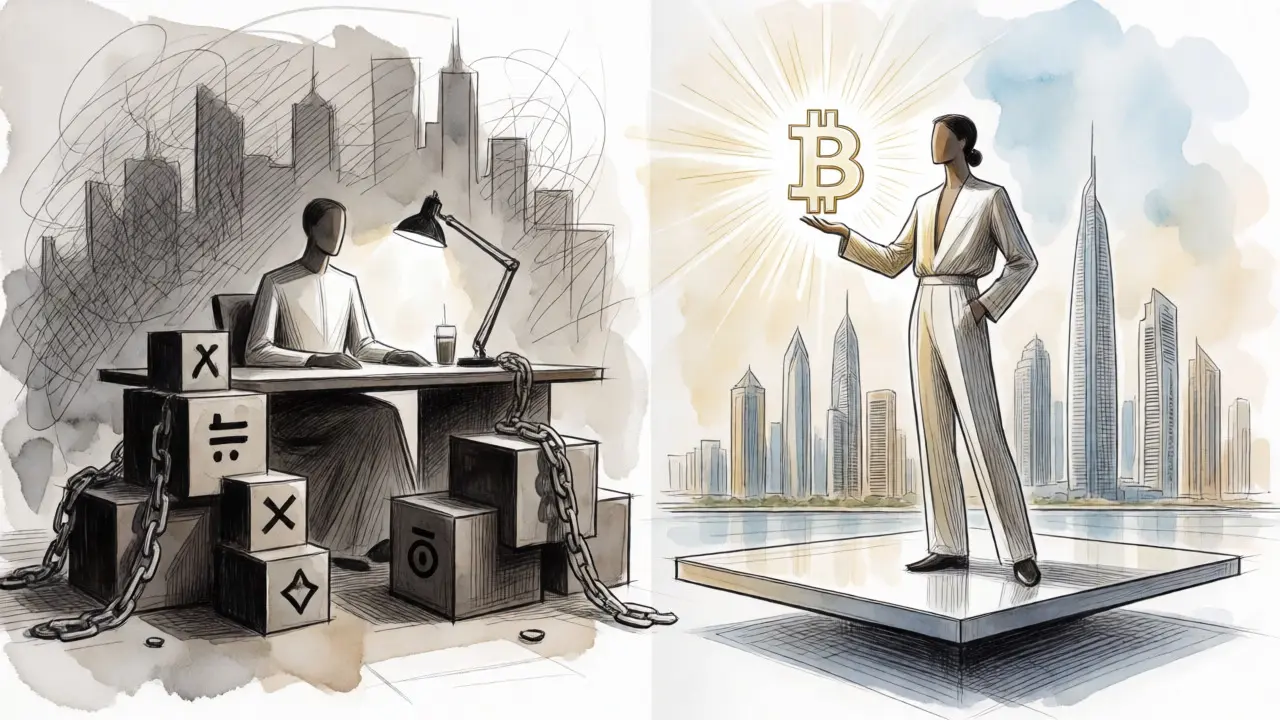
Imagine making $100,000 in profit from trading Bitcoin. In India, you hand over $30,000 to the government before you even touch your earnings, plus another chunk disappears through Tax Deducted at Source (TDS). In Dubai? You keep every single dollar. This stark difference isn't just a minor inconvenience; it's driving a massive exodus of Indian crypto traders to the United Arab Emirates. If you're tired of watching your hard-earned gains vanish into taxes while trying to navigate a confusing regulatory maze, you're not alone. Thousands are packing their bags for Dubai, seeking a financial haven where digital assets aren't treated like lottery winnings but rather as legitimate business tools.
The Heavy Price of Trading in India
Let’s be honest: India’s approach to crypto taxation feels punitive. The 30% flat rate applies to every profit, no matter how small. Unlike traditional investments where you might hold an asset for years to qualify for lower long-term capital gains rates, crypto in India gets taxed heavily regardless of holding period. Worse, you can’t offset losses from one coin against gains from another. If you lose money on Ethereum but make it on Solana, you still owe tax on the Solana gain. There is no netting off. This lack of flexibility makes high-frequency trading nearly impossible to sustain profitably after taxes.
Then there’s the TDS trap. For many retail traders, selling more than INR 50,000 ($608) worth of crypto triggers a 1% deduction at source. While this amount is technically creditable when filing returns, it ties up your working capital. For a trader rotating funds daily, this constant leakage disrupts liquidity. You’re essentially lending money to the government interest-free until you file your annual return. For professional traders managing large portfolios, this friction adds up quickly, turning efficient strategies into bureaucratic nightmares.
Dubai’s Zero-Tax Appeal
Now, flip the script to Dubai. Here, personal income tax is zero. That means if you trade crypto as an individual, you pay nothing on your capital gains. No 30%, no 1%, no wealth tax. Whether you made $10,000 or $10 million, the tax bill remains zero. This isn't a loophole; it’s a deliberate economic strategy by the UAE to attract global talent and capital. The government wants you there. They want your trades, your staking rewards, and your NFT flips to happen within their jurisdiction.
This zero-tax environment extends beyond just buying and holding. Staking rewards, yield farming profits, and even income from running nodes are generally untaxed for individuals. For Indian traders who have been bleeding money through taxes, this shift represents an immediate increase in net worth. A trader earning $200,000 annually saves $60,000 instantly just by changing their tax residency. Over five years, that’s $300,000 staying in your pocket instead of going to the Indian Treasury.

How to Structure Your Move Legally
You can’t just fly to Dubai, open a bank account, and claim you’re non-resident for tax purposes. India has strict rules about residential status. To truly benefit from Dubai’s tax regime, you need to establish genuine tax residency in the UAE. This usually involves setting up a corporate structure, even if you’re trading personally. Most Indian traders opt for registering a company in a UAE Free Zone like the DMCC (Dubai Multi Commodities Centre) or IFZA.
| Feature | India | Dubai (UAE) |
|---|---|---|
| Personal Capital Gains Tax | 30% Flat Rate | 0% |
| Loss Set-Off Allowed | No | N/A (No Tax) |
| TDS on Transactions | 1% (on sales > ₹50k) | None |
| Corporate Tax Threshold | Varies by entity type | 9% only above AED 375k profit |
| Regulatory Clarity | Evolving/Uncertain | Clear (VARA Framework) |
Setting up a Free Zone company gives you a residence visa. This visa allows you to live in Dubai legally and spend enough time there to break your Indian tax residency. The process involves obtaining a trade license for proprietary trading, opening a UAE bank account, and ensuring your center of vital interests shifts to the UAE. It sounds complex, but specialized agencies handle most of the paperwork. The key is maintaining proof of residence-rent contracts, utility bills, and passport stamps-to satisfy both Indian and UAE authorities.
Regulatory Stability: VARA vs. Uncertainty
One reason traders flee India isn’t just taxes; it’s uncertainty. Rules change overnight. Banks freeze accounts without warning. Exchanges face sudden compliance hurdles. In contrast, Dubai has established the Virtual Assets Regulatory Authority (VARA) to provide clear guidelines for digital asset activities. VARA licenses exchanges, custodians, and brokers, creating a transparent ecosystem. If you’re running a trading desk or a small fund, knowing exactly what is allowed reduces operational risk significantly.
This stability attracts institutional players too. Major exchanges like Binance and Bybit have regional headquarters in Dubai. This clustering effect means better liquidity, tighter spreads, and access to professional-grade banking services that are often difficult to secure for crypto businesses in other jurisdictions. For Indian traders used to dealing with skeptical local banks, having a UAE-based entity that opens doors globally is a game-changer.

Hidden Costs and Realities
It’s not all sunshine and zero taxes. Relocating costs money. Setting up a Free Zone company can cost between $15,000 and $25,000 initially, including licensing, visa processing, and office space (even if it’s a flexi-desk). You’ll also need health insurance, housing, and living expenses in Dubai, which are higher than in most Indian cities. Plus, you must maintain substance. You can’t just have a paper company; you need to show activity and presence.
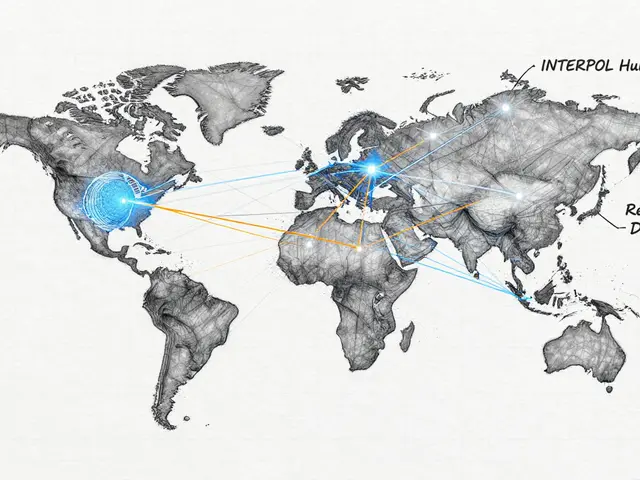
There’s also the issue of reporting. The UAE is implementing the Crypto-Asset Reporting Framework (CARF), which will automatically share data with tax authorities worldwide starting around 2027. While this doesn’t mean Dubai will start taxing you, it means transparency increases. If you continue to earn income sourced from India or hold assets elsewhere, you need to ensure you’re compliant with those countries' laws too. Don’t assume moving solves everything; it just changes the rules you play by.
Who Should Actually Make the Move?
If you’re a casual investor putting $500 a month into Bitcoin, moving to Dubai is overkill. The costs outweigh the tax savings. But if you’re a full-time trader generating consistent six-figure profits, the math works in your favor. Similarly, if you run a crypto business, launch tokens, or manage funds, the corporate tax advantage (9% vs. potentially 40%+ effective rate in India) is compelling.
Consider your lifestyle too. Dubai offers a tax-free salary environment for expats, world-class infrastructure, and a growing community of crypto professionals. However, it’s hot, expensive, and culturally different from India. Some traders miss the family support networks back home. Weigh the financial upside against personal comfort. Many find that the freedom to keep their earnings and operate without fear of arbitrary regulatory crackdowns is worth the adjustment.
Do I have to give up my Indian citizenship to move to Dubai?
No, you do not need to renounce your Indian citizenship. You can remain an Indian citizen while becoming a tax resident of the UAE. However, you must spend sufficient time in the UAE (typically 183 days or more) to establish tax residency and break your Indian tax residency status. Holding an OCI (Overseas Citizen of India) card is also an option for some, but full citizenship retention is common among relocating traders.
Will India tax me on my global income if I move to Dubai?
If you successfully become a non-resident for Indian tax purposes, India generally does not tax your global income. However, any income accrued or received in India (such as rent from property or dividends from Indian stocks) remains taxable in India. You must carefully manage your residential status to avoid being classified as "Resident but Not Ordinarily Resident" or fully resident, which could trigger global taxation obligations.
Is the 0% tax in Dubai guaranteed forever?
While the UAE currently has no personal income tax, governments can change policies. The introduction of Corporate Tax (9%) shows willingness to adapt. However, the UAE has consistently positioned itself as a low-tax jurisdiction to attract foreign investment. Most experts believe personal income tax will remain at 0% for the foreseeable future, though reporting standards like CARF are increasing transparency. Always consult a tax advisor for the latest updates.
Can I trade on Indian exchanges while living in Dubai?
Technically yes, but it complicates your tax position. If you use Indian exchanges, you may trigger Indian tax liabilities due to the TDS mechanism and potential source-of-income arguments. Most relocating traders switch to international exchanges accessible via their UAE bank accounts to streamline compliance and ensure all trading activity is centered in the UAE jurisdiction.
What are the main costs of setting up a Dubai trading company?
Initial setup costs typically range from $15,000 to $25,000, covering free zone license fees, visa processing, and initial banking requirements. Annual renewal costs vary but can be $10,000 to $15,000 depending on the free zone and services required. Additionally, factor in living expenses, health insurance, and professional fees for accounting and legal compliance.