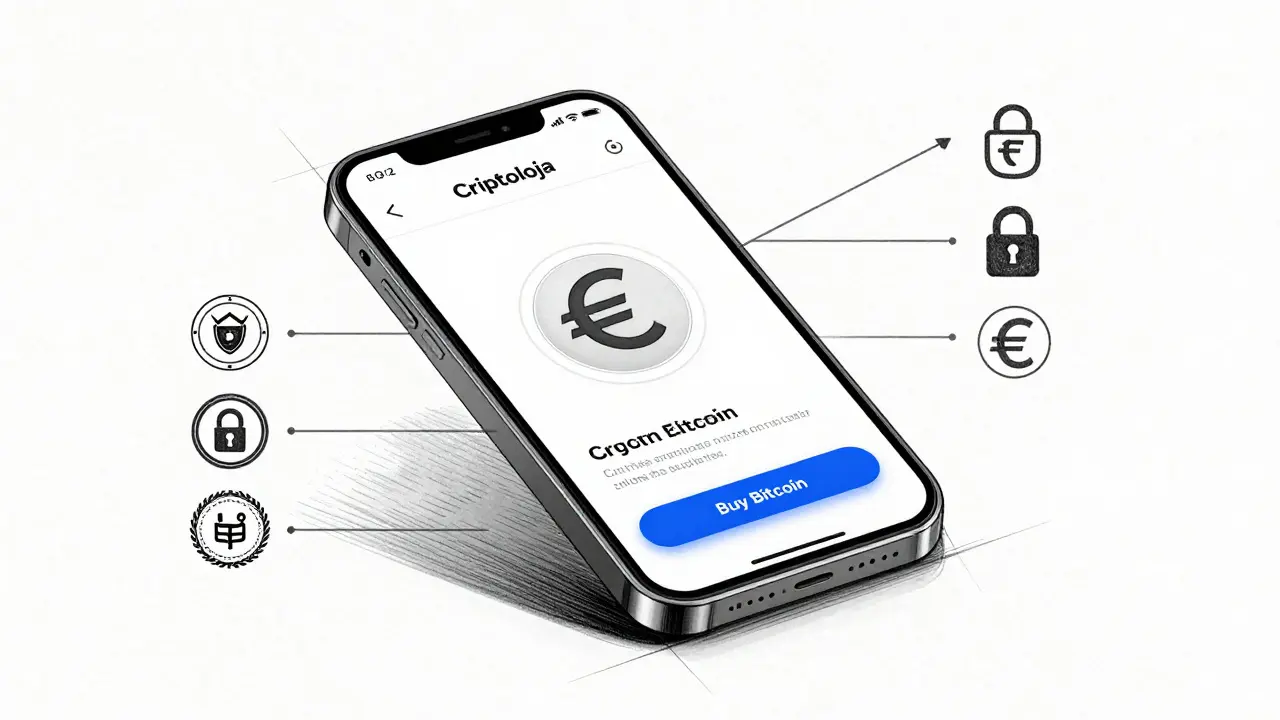
Buying cryptocurrency in Europe used to mean picking between a shady offshore site or a global giant that barely speaks your language. If you are in Portugal, the game changed when Criptoloja became the country's first fully regulated crypto exchange. Licensed by Banco de Portugal, this platform isn't just another app on the App Store. It is a financial institution operating under strict national oversight. But does being "regulated" actually make it better for you? Or does it come with hidden costs and limitations?
This review cuts through the noise. We will look at who owns Criptoloja now, what you can buy, how safe it really is, and whether it beats the big international players like Coinbase or Kraken for Portuguese users.
Who Owns Criptoloja Now?
To understand where Criptoloja is going, you need to know who is pulling the strings. Originally, it was a homegrown Portuguese startup. That changed in 2023 when 2TM, a Brazilian holding company, acquired a controlling interest in the business.
This might sound confusing if you aren't familiar with Latin American crypto markets. Let me break it down. 2TM is the parent company of Mercado Bitcoin, which is Brazil's largest cryptocurrency exchange. By buying Criptoloja, they didn't just want a piece of Portugal; they wanted a foothold in Europe.
Roberto Dagnoni, CEO of 2TM, stated clearly that Portugal is a "strategic market" because it requires specific licensing and serves as a gateway to the larger European Union market. This acquisition wasn't about quick cash; it was about regulatory access. The deal required approval from Banco de Portugal, signaling that Criptoloja remains firmly under Portuguese jurisdiction despite its new Brazilian bosses.
The Regulatory Advantage: Why It Matters
Most crypto exchanges operate in a gray area. They might be registered in Malta, Estonia, or nowhere at all. Criptoloja is different. It holds an official license from Banco de Portugal, issued in October 2021. This makes it one of only two domestically licensed exchanges in the country, alongside Mind the Coin.
Why should you care about a license? Here is the reality:
- Legal Recourse: If something goes wrong, there is a local regulator watching. You aren't stuck emailing support in a time zone eight hours away with no legal standing.
- Anti-Money Laundering (AML) Compliance: Criptoloja must follow strict KYC (Know Your Customer) rules. This means your identity is verified, reducing the risk of the platform being shut down for illicit activity.
- Stability: Regulated entities face higher operational costs but also have more stability. They cannot simply vanish overnight without consequences.
In a world where unregulated platforms like FTX collapsed taking billions with them, having a local license is a massive safety net. However, regulation also means bureaucracy. Expect stricter verification processes than you might find on less compliant apps.
What Can You Trade on Criptoloja?
If you are looking for a platform to trade every obscure meme coin launched yesterday, Criptoloja probably isn't it. As a regulated entity focusing on compliance, their asset list is curated.
The platform allows users to purchase over 200 different cryptocurrencies using Euros. This includes major assets like Bitcoin (BTC), Ethereum (ETH), and stablecoins like USDT. For most retail investors in Portugal, this covers the vast majority of legitimate investment needs. You get exposure to the top market movers without the clutter of thousands of low-cap tokens that often turn out to be scams.
Keep in mind that the selection may change as 2TM integrates its infrastructure. While Mercado Bitcoin offers a wider variety of assets in South America, Criptoloja must adhere to European and Portuguese regulations regarding which assets can be offered to retail customers. This restriction protects you from highly volatile or illegal instruments, even if it limits your options for speculative trading.
Fees and Costs: What Will It Cost You?
Here is where we hit a wall of silence. Unlike global giants that publish transparent fee schedules on their homepage, detailed public information on Criptoloja's exact trading fees is scarce. This is common for newer, regionally focused platforms.
However, we can make educated guesses based on industry standards for regulated exchanges:
- Trading Fees: Expect standard maker/taker fees. These are likely higher than aggressive offshore competitors (who charge 0.02%) but lower than traditional banks. Look for a range between 0.1% and 0.5% per transaction.
- Deposit/Withdrawal Fees: Since you are paying in Euros, SEPA transfers should be free or very cheap. Crypto withdrawals will incur network fees, which vary by blockchain congestion.
- Hidden Costs: Watch out for spread differences. Some regulated platforms widen the gap between the buy and sell price to make money. Always check the order book before executing large trades.
Because Criptoloja operates within a regulated framework, their overhead is higher. They pay for compliance officers, legal teams, and security audits. These costs are passed on to you in the form of fees. Compare these against alternatives like Coinbase or Binance if cost is your primary concern.
Security: Is Your Money Safe?
Security is the biggest selling point for any exchange, but especially one that claims regulatory backing. While Criptoloja doesn't publish a technical whitepaper detailing their encryption methods, their status implies adherence to Banco de Portugal's security requirements.
What does this likely mean for your funds?
- Cold Storage: Industry standard for reputable exchanges is keeping the majority of user funds in offline, multi-signature cold wallets. This prevents hackers from draining accounts even if they breach the website.
- Regulatory Audits: As a licensed entity, Criptoloja is subject to periodic reviews. This reduces the risk of internal fraud or mismanagement compared to unregulated startups.
- Data Protection: Operating in the EU means they must comply with GDPR. Your personal data is protected by some of the strictest privacy laws in the world.
Compare this to the chaos of unregulated platforms. When an exchange isn't regulated, there is no guarantee they hold your money separately from their own corporate funds. With Criptoloja, the regulatory framework mandates clearer separation of assets, offering a layer of protection that voluntary measures cannot match.
Criptoloja vs. Global Giants
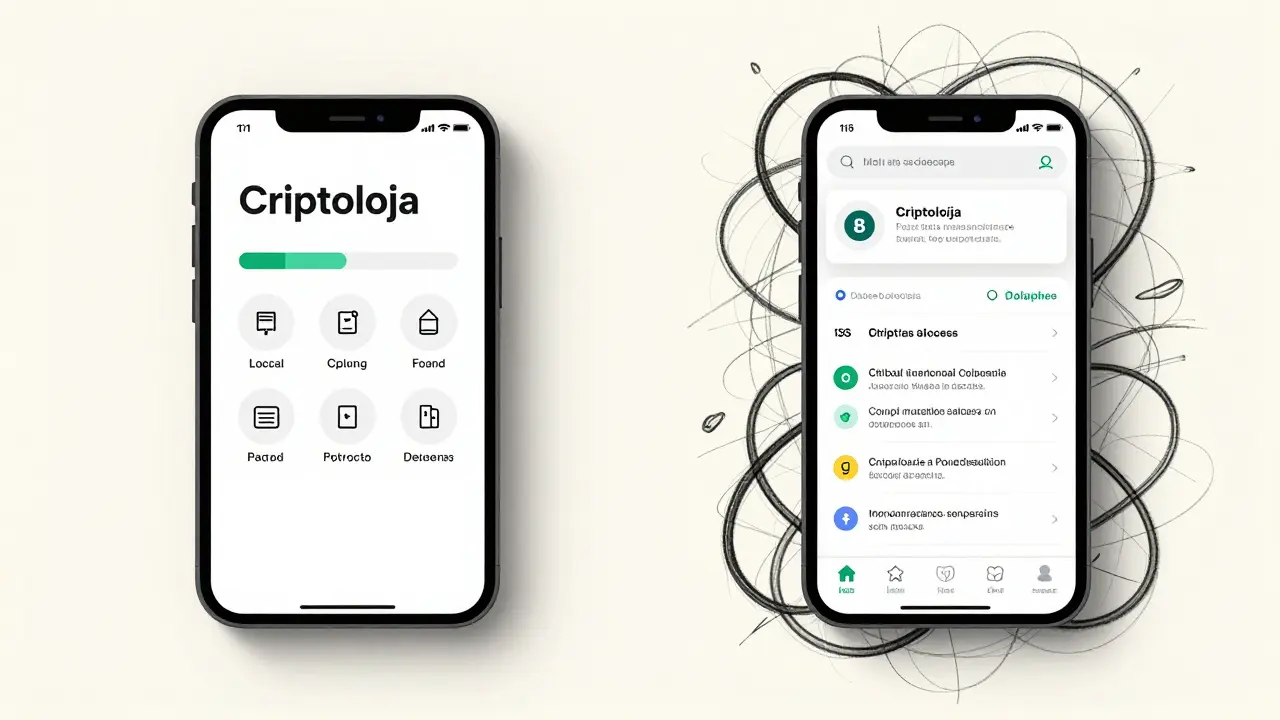
You might wonder why you wouldn't just use Coinbase, Kraken, or Binance. Those platforms are huge, well-known, and offer advanced features. Here is how Criptoloja stacks up:
| Feature | Criptoloja | Coinbase / Kraken |
|---|---|---|
| Regulation | Licensed by Banco de Portugal | Licensed in US/EU (varies) |
| Local Support | Portuguese language, local entity | English primarily, global support |
| Tax Reporting | Aligned with Portuguese tax laws | Generic reports, manual adjustment needed |
| Asset Variety | ~200 coins (curated) | 300+ coins (wide variety) |
| Fees | Moderate (estimated) | Competitive (transparent) |
The key difference is localization. Criptoloja is built for Portuguese residents. This matters immensely for taxes. Portugal introduced specific taxes on cryptocurrency investments in January 2023. Using a local platform simplifies record-keeping and ensures you are trading within the legal framework recognized by the Autoridade Tributária (Portuguese Tax Authority).
User Experience and Accessibility
Reviews for Criptoloja are sparse online. You won't find thousands of Trustpilot ratings or Reddit threads debating its interface. This is typical for a niche, regulated platform rather than a consumer-facing tech product.
However, the lack of noise can be a feature. Without the gamification elements found in apps like Robinhood or Binance (where they push you to trade frequently with flashy graphics), Criptoloja likely focuses on core functionality: buy, sell, store. For serious investors, this simplicity reduces impulse trading errors.
Expect a straightforward onboarding process. Because of KYC requirements, you will need to upload identification documents. This takes longer than signing up with an email address, but it is the price of admission for a regulated service.
Is Criptoloja Right for You?
Criptoloja is not for everyone. If you are a day trader looking for leverage, futures contracts, and zero-fee trading on obscure altcoins, stick to global platforms like Binance or Kraken. They offer the depth and tools you need.
But if you are a Portuguese resident who wants to:
- Trade crypto legally and safely within EU regulations.
- Avoid the hassle of converting currencies across borders.
- Have a clear audit trail for Portuguese tax purposes.
- Support a local financial infrastructure.
Then Criptoloja is arguably the best choice available. Its partnership with 2TM suggests future improvements in technology and liquidity, combining the safety of Portuguese regulation with the backend power of one of Latin America's largest crypto ecosystems.
The crypto market is evolving. Regulation is no longer a buzzword; it is a necessity. Criptoloja represents the maturation of the industry in Portugal. It may not be the flashiest option, but in finance, boring often means safe.
Is Criptoloja safe to use?
Yes, Criptoloja is considered safe because it is officially licensed by Banco de Portugal. This regulatory status requires the platform to adhere to strict security protocols, anti-money laundering laws, and capital reserve requirements. Additionally, its ownership by 2TM, the parent company of Brazil's largest exchange Mercado Bitcoin, adds a layer of institutional credibility and technological robustness.
Can I use Criptoloja if I live outside Portugal?
Currently, Criptoloja is designed primarily for Portuguese residents. Its licensing is specific to Portugal, and its services are optimized for Euro transactions and Portuguese tax compliance. While 2TM plans to expand into Europe, Criptoloja's immediate focus remains on the domestic market. Users from other countries should look for exchanges licensed in their respective jurisdictions.
How much does it cost to trade on Criptoloja?
Specific fee structures are not publicly detailed in all sources, but as a regulated exchange, expect moderate trading fees likely ranging between 0.1% and 0.5%. Deposit fees via SEPA transfer are typically low or free. Always check the current fee schedule on the Criptoloja website before making large transactions, as costs can change based on market conditions and regulatory updates.
What cryptocurrencies can I buy on Criptoloja?
Criptoloja supports over 200 cryptocurrencies, including major assets like Bitcoin (BTC), Ethereum (ETH), and various stablecoins. The selection is curated to meet regulatory standards, meaning you may not find every new meme coin or highly speculative token available on unregulated global exchanges. This focus ensures that the listed assets are generally legitimate and compliant with Portuguese financial laws.
Who owns Criptoloja?
Criptoloja is owned by 2TM, a Brazilian holding company that also controls Mercado Bitcoin, the largest crypto exchange in Brazil. 2TM acquired a controlling interest in Criptoloja in 2023 to establish a strategic foothold in the European market. This acquisition was approved by Banco de Portugal, ensuring that Criptoloja continues to operate under Portuguese regulatory oversight despite its new international ownership.