The crypto market is full of tokens that promise big things - but few actually tie real-world value to their mechanics. Lingo (LINGO) is one of those rare cases. Launched on December 1, 2024, it wasn’t just another meme coin or utility token. It was built to turn everyday community interactions into real rewards, using real assets and gamification. Think of it like loyalty points, but powered by blockchain and backed by tangible assets - not just hype.
How Lingo Works: Gamification Meets Real-World Assets
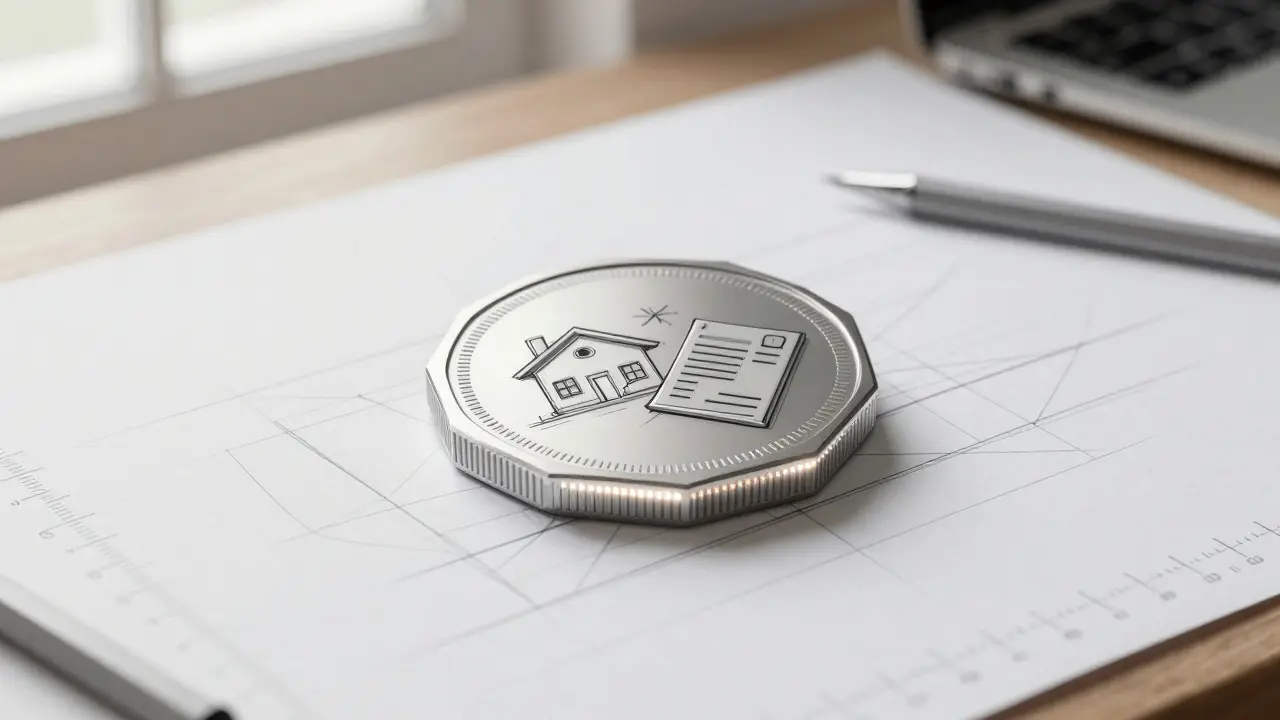
Lingo doesn’t just exist on the blockchain. It’s designed to connect crypto culture with real-world value. Every time users interact with the Lingo platform - whether through referrals, content creation, or community engagement - they earn LINGO tokens. But here’s the twist: the platform takes a small fee from these interactions and puts it into a Real World Asset (RWA) pool. This pool isn’t just digital. It’s backed by actual assets like real estate, small business loans, or invoice financing. The returns from these assets then fund the rewards given back to token holders.
This is different from most crypto projects. Many tokens rely on inflationary models or speculative trading. Lingo’s model tries to anchor value to something outside the crypto world. That’s why it calls itself the first token to combine RWA, gamification, and crypto culture. If the RWA pool generates income, token holders get more rewards. No guesswork. No promises. Just a direct link between asset performance and token value.
Technical Backbone: Built on Solana
Lingo runs entirely on the Solana blockchain. Why does that matter? Solana is known for handling over 65,000 transactions per second at low cost. That’s crucial for a platform built around frequent, small interactions. Imagine earning a few cents in LINGO every time you invite a friend or complete a task. If this ran on Ethereum, the gas fees might eat up your reward. On Solana, it’s practical.
The token itself has a maximum supply of 1 billion LINGO. But as of February 2026, only around 206 million are in circulation, according to TradingView. That means most of the supply is still locked up - either in team wallets, staking pools, or future distribution. This controlled release helps avoid sudden dumps, but it also means supply dynamics are still shifting.
Price History: A Wild Ride
Lingo’s price tells a story of hype and collapse. It launched at around $0.195 in its public sale. Within days, it hit an all-time high of $0.6869 on December 16, 2024 - just 16 days after launch. That’s a 250% surge in under two weeks. But then came the crash.
By February 6, 2026, the price had sunk to $0.007846, a drop of over 98% from its peak. As of February 7, 2026, it’s trading near $0.007647. That’s a long way from its original value. Even compared to its public sale price, it’s down over 96%. Most investors who bought early are underwater. The 7-day price change shows a -15.6% drop, worse than the broader crypto market’s -9.5% decline. This underperformance suggests the market sees little confidence in its current trajectory.
Market Size and Liquidity
Lingo’s market cap hovers between $3.9 million and $8 million depending on the source. That’s tiny compared to major crypto projects. For context, Ondo Finance (ONDO), another RWA token, has a market cap over $1 billion. Even smaller RWA players like Matrixdock sit above $100 million. Lingo is a speck in that space.
Liquidity is thin. Trading volume over 24 hours ranges from $392,000 to $550,000 - barely enough to move the needle on larger exchanges. That means if a big holder decides to sell, the price could crash again. There are only about 32,000 token holders, according to CoinMarketCap. That’s not a community. It’s a group of early adopters who may or may not stick around.

Who’s Behind Lingo? And Why It Matters
The team behind Lingo is anonymous. That’s not unusual in crypto, but it’s risky. Most successful projects have public teams with track records. Lingo relies on influencer marketing and viral campaigns to drive interest. It’s been backed by “viral influencers,” as noted by CoinMarketCap. That’s a red flag for long-term sustainability. Influencers promote, then move on. Without developers, clear roadmaps, or regular updates, the project feels more like a marketing stunt than a building.
Still, the concept is smart. Gamifying rewards isn’t new - apps like Sweatcoin and StepN tried it. But linking those rewards to real-world assets? That’s new. If Lingo can deliver consistent, transparent payouts from its RWA pool, it could become a model for future projects. Right now, there’s no public proof that the asset pool exists, how it’s managed, or how returns are calculated. That’s a major gap.
Where to Buy Lingo (LINGO)
You can buy LINGO on major exchanges like Binance, Coinbase, and Kraken. It trades against USDT, USDC, and SOL. But be warned - liquidity is low. You might not get the price you expect, especially if you’re trading large amounts. Always use limit orders, not market orders.
Don’t buy LINGO because someone on Twitter said it’s going to 10x. Buy it only if you understand the RWA model, accept the extreme volatility, and are okay with the risk of losing most of your investment. The token’s current price is close to its all-time low. That doesn’t mean it’s a bargain. It means it’s still in freefall.
Is Lingo a Good Investment?
Here’s the brutal truth: Lingo has all the signs of a pump-and-dump. The massive spike right after launch, the anonymous team, the influencer-driven hype, the lack of development updates - it checks every box. Yet, the concept itself has merit. Real-world asset-backed rewards could be the future of community tokens.
But right now, it’s not delivering. There’s no evidence the RWA pool is active. No audits. No transparency reports. No clear roadmap beyond “making Web3 accessible.” That’s not enough. Investors need facts, not visions.
If you’re looking for a high-risk, high-reward play in the RWA space, Lingo is one option. But it’s not a long-term bet. It’s a gamble on whether the team can rebuild trust - and whether the market believes in the model again.

Community Sentiment: Bullish on Paper, Bearish in Practice
RootData shows 83.6% of voters are bullish on Lingo. That sounds great. But look at the price. It’s down 98%. That disconnect is dangerous. When community sentiment and market behavior don’t match, it usually means one side is wrong - and in crypto, the market almost always wins.
Reddit threads and Telegram groups are full of loyal fans who believe Lingo will rebound. They point to the RWA model as the future. But without concrete updates - like a live RWA dashboard, partnership announcements, or development milestones - those beliefs are just hope.
What’s Next for Lingo?
The next 6 months will decide Lingo’s fate. If the team releases a transparent audit of the RWA pool, shows real income flowing to token holders, and starts adding features like staking or governance voting, it might survive. If not, it’ll fade into obscurity like hundreds of other tokens that rode hype waves.
For now, treat Lingo like a speculative experiment - not an investment. The idea is interesting. The execution? Still unproven.
Is Lingo (LINGO) a scam?
Lingo isn’t confirmed as a scam, but it has all the warning signs of one. The team is anonymous, there’s no public roadmap, and the token lost over 98% of its value after launch. The RWA model sounds legitimate, but there’s zero transparency on how the asset pool works. Without audits or verifiable data, it’s too risky to trust.
Can I earn real money with Lingo?
In theory, yes - if the RWA pool generates real returns and distributes them to holders. But as of February 2026, there’s no public proof that this is happening. The token’s price decline suggests users aren’t seeing meaningful rewards. Earning real money would require holding LINGO long-term and trusting unverified claims.
Why is Lingo’s price so volatile?
Lingo’s price is volatile because of low liquidity and high speculation. With only 206 million tokens in circulation and a market cap under $10 million, even small trades can swing the price. It’s also heavily influenced by influencer hype, which comes and goes. No real utility or steady income stream means the price floats on emotion.
Is Lingo better than other RWA tokens like ONDO or MATX?
No. Ondo Finance (ONDO) and Matrixdock (MATX) have larger market caps, transparent operations, institutional backing, and clear use cases like bond tokenization. Lingo’s focus on gamified rewards is unique, but it lacks the infrastructure, partnerships, and track record of those projects. It’s a small, unproven player in a space dominated by serious players.
Where can I find official updates about Lingo?
The only official source is mylingo.io. But updates are rare, and there’s no blog, Twitter feed, or developer journal. Most information comes from third-party sites like CoinMarketCap or TradingView. That lack of communication is a major red flag for any crypto project.
Final Takeaway
Lingo (LINGO) is not a cryptocurrency you buy to hold. It’s a high-risk experiment. The idea - using real assets to power gamified rewards - is smart. But the execution is shaky. The team is invisible. The price is collapsing. The community is optimistic, but the market isn’t. If you’re curious, put in a small amount. But don’t expect a comeback. And don’t bet your savings on it.