
Imagine spending months writing a novel, designing a logo, or coding a unique algorithm. You hit save. But then, someone else publishes something identical two weeks later. Who owns it? In the world of intellectual property, legal rights protecting original creations like inventions, literary works, and symbols, the answer often comes down to one simple question: who can prove they created it first?
This is where timestamp verification, a technical process that cryptographically links a digital file to a specific date and time to prove its existence becomes your best friend. It’s not just a digital sticky note saying "I made this." It’s a legally binding, cryptographic seal that proves your work existed at a precise moment, long before any dispute arose. Without it, you’re often left arguing over emails and draft files, which courts rarely find convincing.
Why "First in Time" Wins Every Time
The legal principle governing most IP disputes is "first in time, first in right." This means the person who can demonstrate they created the work earliest usually holds the superior claim. The problem? Proving that date is notoriously difficult. Your computer’s internal clock can be changed. File metadata can be edited. Self-generated timestamps carry almost zero weight in a courtroom because anyone can forge them.
You need an independent third party to verify the date. This is the core function of timestamping services. They don’t judge whether your work is good or bad. They don’t register your patent or copyright. Instead, they provide an official document attesting that a specific file existed at a specific time. As noted by the World Intellectual Property Organization (WIPO), the UN agency dedicated to promoting the protection of intellectual property worldwide, this serves as a "quick, inexpensive and efficient first step" toward establishing priority. It bridges the gap between creation and formal registration, protecting your ideas during that vulnerable window when they are new but not yet legally secured.
How Timestamp Verification Actually Works
Under the hood, timestamp verification relies on cryptography, specifically hashing. When you upload a file to a timestamping service, the system doesn’t necessarily store the entire file. Instead, it generates a unique digital fingerprint called a hash. Think of it like a snowflake; even if you change one comma in your document, the resulting hash changes completely.
The service then locks this hash into a secure record along with the current date and time from a trusted authority. This creates an immutable link. Later, if you need to prove ownership, you re-hash your original file. If the hashes match, it proves the file hasn’t been altered since the timestamp was issued. If the hashes differ, the file has been tampered with. This mathematical certainty is what gives timestamps their power. It removes human error and bias from the equation, leaving only verifiable data.
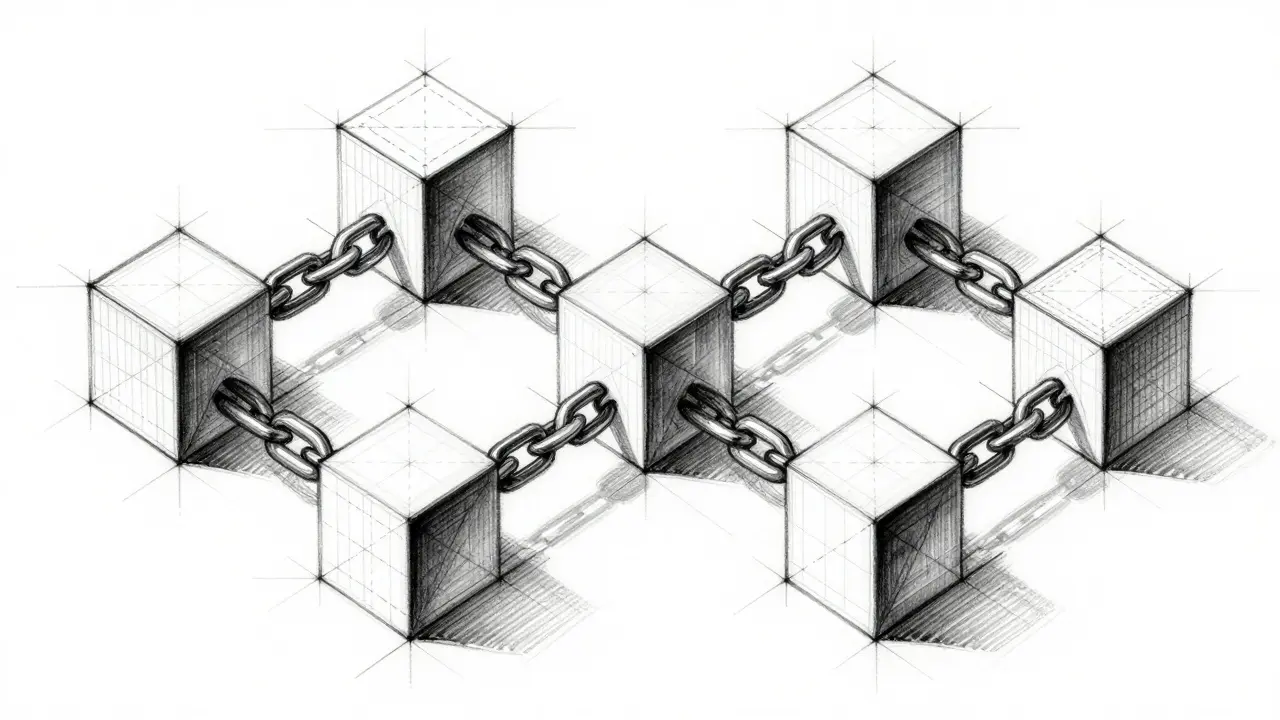
Many modern services now anchor these timestamps on a blockchain. Why? Because blockchains are distributed ledgers that cannot be retroactively altered. Once a timestamp is written to the chain, it stays there forever. This adds a layer of permanence that traditional centralized servers might lack. For example, services like KeeeX combine standard timestamping with blockchain anchoring to ensure robust protection against disputes.
Key Players in Timestamp Verification
Not all timestamping services are created equal. Some offer basic system-time stamps, while others provide qualified evidence recognized in international courts. Here’s how the major options compare:
| Service Name | Authority Type | Legal Weight | Best For |
|---|---|---|---|
| WIPO PROOF | International Organization | High (Global Recognition) | Creators seeking official UN-backed proof |
| KeeeX | Private Tech Provider | Very High (eIDAS Qualified + Blockchain) | European businesses and high-stakes IP |
| Drawy | Design Platform | Medium-High (Integrated Workflow) | Graphic designers and visual artists |
WIPO PROOF, launched in 2020, is perhaps the most prominent option for individual creators. It uses public key infrastructure to generate a unique token for your file. While it doesn’t confer IP rights itself, it provides an official document from a globally respected body. This makes it incredibly persuasive in negotiations or early-stage disputes.
For those operating in Europe, eIDAS-compliant timestamps are crucial. The eIDAS regulation (Electronic IDentification, Authentication and trust Services) sets standards for electronic transactions. A "qualified" timestamp under eIDAS carries a presumption of legal validity in EU courts. Services like KeeeX offer this, meaning your timestamp isn’t just evidence-it’s strong, auditable proof that judges are trained to accept. This is vital for companies with international operations or those dealing with cross-border infringement.
Platforms like Drawy integrate timestamping directly into the creative workflow. When you upload a design, it’s instantly sent to a Timestamp Authority. You get back a PDF containing the date, time, owner details, and a unique reference number. This seamless approach encourages creators to timestamp every iteration, not just the final product.
When Should You Use Timestamp Verification?
You might think you only need timestamping when you’re already being sued. That’s too late. The value lies in prevention. Consider these scenarios:
- Before Public Release: Authors should timestamp manuscripts before sharing them with agents or publishers. Photographers should timestamp raw files before editing. Musicians should timestamp demo tracks before recording final versions.
- During R&D: Companies developing new technologies often keep discoveries as trade secrets rather than filing patents immediately. Timestamping lab notes, code commits, and prototype designs creates a paper trail of innovation that can protect against theft or reverse engineering.
- In Collaborative Projects: When multiple parties contribute to a project, timestamping each contribution clarifies ownership stakes. It prevents disputes over who contributed what and when.
- Against Plagiarism: If you suspect someone is copying your work, having a timestamped record allows you to issue cease-and-desist letters with confidence. You have proof that your work predates theirs.
It’s also worth noting that copyright arises automatically upon creation. You don’t need to register a copyright to own it. However, enforcing that right without proof of creation date is nearly impossible. Timestamping fills that evidentiary gap. It transforms your automatic copyright into a defensible asset.
The Legal Reality: What Timestamps Can and Cannot Do
Let’s be clear about limitations. A timestamp does not grant you IP rights. It does not replace a patent application or a copyright registration. If someone independently creates the same invention, your timestamp won’t stop them from getting their own patent. It only proves you had the idea first.
However, in cases of infringement-where someone copies your work-the timestamp is powerful. It shifts the burden of proof. Instead of you trying to guess when you created the work, you present an immutable record. Courts recognize this as "strong legal auditable evidence." For defendants facing false claims, a timestamp can be the difference between paying damages and walking away free.
The encrypted nature of these records also prevents tampering. Unlike a Word document’s properties, which can be easily edited, a cryptographic timestamp is mathematically sealed. Any attempt to alter the file breaks the seal, rendering the timestamp invalid. This integrity is why third-party authorities are essential. Self-generated timestamps lack this independence and are easily dismissed in litigation.
Future-Proofing Your Intellectual Property
As digital creation accelerates, the need for reliable provenance tools grows. We’re seeing more integration between AI-generated content platforms and timestamping services. Soon, you may be able to timestamp your work directly within your design software or IDE. The goal is to make proof of existence as automatic as saving a file.
Blockchain technology continues to evolve this space. Beyond simple anchoring, smart contracts could eventually automate royalty payments based on verified usage dates. Imagine a system where your timestamped music track triggers micro-payments every time it’s streamed, with the timestamp serving as the root of trust for the entire transaction chain.
For now, the strategy remains simple: create, timestamp, then share. Don’t wait for a dispute to arise. Treat timestamping as part of your daily creative hygiene. It costs little, takes seconds, and provides peace of mind that your ideas are yours alone.
Does timestamping replace copyright registration?
No, timestamping does not replace formal copyright registration or patent applications. Copyright arises automatically upon creation, but registration provides additional legal benefits like statutory damages in some jurisdictions. Timestamping serves as proof of existence and priority, which supports your registration but does not constitute the registration itself.
Is WIPO PROOF legally binding in court?
WIPO PROOF provides strong, credible evidence that is widely recognized internationally. While it performs a "formalistic function" rather than conferring rights, its status as an official UN-backed service gives it significant persuasive weight in litigation. Courts generally accept it as reliable proof of the date and time a file existed.
What is the difference between a regular timestamp and an eIDAS qualified timestamp?
A regular timestamp may rely on system time or non-qualified authorities, offering less legal certainty. An eIDAS qualified timestamp complies with European Union regulations, granting it a presumption of legal validity in EU courts. This means it is accepted as strong evidence without requiring additional authentication steps, making it ideal for business and legal contexts in Europe.
Can I timestamp a file after I’ve already published it?
Yes, but it only proves the file existed at the time of timestamping, not when it was originally created. To establish true priority, you must timestamp the work before publication or sharing. Post-publication timestamps are still useful for proving the state of the file at that later date, but they won’t help if someone claims you copied their earlier work.
How much does timestamp verification cost?
Costs vary significantly. WIPO PROOF offers affordable rates for individual users, often charging per file or offering subscription models. Commercial services like KeeeX or Drawy may charge per timestamp or include it in broader platform fees. Generally, the cost is minimal compared to legal fees involved in IP disputes, making it a highly cost-effective preventive measure.




Jay Sharma
1 July, 2026 . 06:40 AM
it's all a setup man. they want you to trust these 'trusted authorities' but who trusts them? the whole system is rigged to track your data and sell it to the highest bidder while you think you're protecting your IP. wake up sheeple.
Rebecca Shoniker
2 July, 2026 . 06:16 AM
The distinction between a mere timestamp and an eIDAS qualified timestamp is fundamentally critical; indeed, one cannot overstate the importance of cryptographic integrity in legal proceedings. To suggest otherwise is to display a profound ignorance of digital forensics. Furthermore, the reliance on blockchain anchoring introduces unnecessary complexity when traditional PKI solutions remain robust and legally sound. One must exercise extreme diligence in selecting their verification provider, lest they find themselves embroiled in protracted litigation due to evidentiary inadmissibility. It is truly disheartening how many creators neglect this basic procedural step.
Maurice Flynn
2 July, 2026 . 22:47 PM
interesting read. i guess if you really need that extra layer of security for high stakes stuff it makes sense. most of us just hit save and hope for the best though. life is short why stress over hashes?
Trent Erman1
4 July, 2026 . 09:25 AM
This is such a vital topic for anyone working in creative fields! I used to think copyright registration was enough, but realizing that proving the *date* of creation is half the battle has changed my workflow completely. I started using WIPO PROOF for my freelance design projects last year, and it’s been incredibly reassuring. The process is surprisingly simple-just upload the file, get the token, and you’re done. It doesn’t replace formal registration, obviously, but having that third-party verification gives you so much more leverage if someone tries to claim your work. Plus, knowing that the hash is immutable means you don’t have to worry about metadata being tweaked later on. Highly recommend checking out the eIDAS standards if you’re dealing with European clients too!
Fiona Ellis
6 July, 2026 . 06:42 AM
I’ve been using Drawy for my graphic design portfolio for years now, and it seamlessly integrates into my daily workflow without any hassle. 🎨✨ The fact that each iteration gets timestamped automatically is a game-changer for tracking progress and proving originality. It’s not just about protection; it’s about documenting your creative journey with precision and confidence. 💻📅
Nicole Woessner
6 July, 2026 . 14:48 PM
as someone who works in tech r&d we timestamp every code commit and lab note. it saves us from so many headaches when ideas leak or people try to steal credit. dont wait until its too late just make it part of your routine like brushing your teeth
Jon Milton
7 July, 2026 . 08:23 AM
Look, I’m all for protecting your work, but let’s keep it real here. If you’re worried about theft, maybe focus on building a brand strong enough that stealing looks stupid. Timestamps are great, sure, but they’re not a magic shield against bad actors who don’t care about legality anyway. Still, better safe than sorry, I suppose. Just don’t act like this solves everything.
Sajjad Ghorbani Moghaddam
9 July, 2026 . 03:36 AM
hey guys just wanted to say this info is super useful especially for indie devs. i never thought about hashing before but now i see why it matters. thanks for sharing this knowledge it helps a lot
Scott Miller
10 July, 2026 . 00:03 AM
GET ON IT PEOPLE! Stop sleeping on your rights! You create, you timestamp, you WIN! Don’t let some corporate suit steal your hard work because you were too lazy to click a button. Take control of your destiny right now! 🔥💪
Abby Martin
10 July, 2026 . 15:25 PM
Ugh, can we stop pretending timestamps are some revolutionary new thing? It’s basic digital hygiene. If you’re an adult creator, you should already know this. But sure, let’s pat ourselves on the back for discovering something that’s been standard practice in enterprise environments for decades. Truly groundbreaking.
Mélanie Boulay
11 July, 2026 . 04:38 AM
I have to agree with the sentiment expressed earlier regarding the necessity of integrating these tools directly into our creative workflows, as the friction involved in manually uploading files to separate services often leads to procrastination and subsequent vulnerability, which is precisely what we are trying to avoid in the first place. When platforms like Drawy handle this in the background, it removes the cognitive load from the artist, allowing them to focus purely on the aesthetic and functional aspects of their design without worrying about the legal implications of every saved version, thereby fostering a more secure and productive environment for innovation and expression across various disciplines.
nancy jarecki
12 July, 2026 . 15:46 PM
Pah. Amateurs. Real professionals use qualified timestamps under eIDAS, not whatever toy blockchain service the masses are chasing. If you aren't using a TS-A certified provider, you're basically waving a flag saying your evidence is worthless in court. Don't come crying to me when your 'proof' gets tossed out because you relied on a centralized server that could be hacked or corrupted. Stick to the gold standard or go home.
Robert Hundley
12 July, 2026 . 20:11 PM
Hey everyone! :D Just wanted to chime in and say this thread is awesome! Love seeing folks geek out over crypto hashes and legal tech. Keep creating and keep protecting your stuff! Let's get those timestamps sorted! 👍😎