NFT Marketplace Technology
When working with NFT marketplace technology, the set of tools, protocols, and infrastructure that enable buying, selling, and managing non‑fungible tokens online. Also known as NFT platform tech, it brings together code, networks, and user interfaces so creators and collectors can trade digital assets securely.
Key components of NFT marketplace tech
At its core, blockchain, a distributed ledger that records every NFT transaction in an immutable way provides the trust layer. Without a reliable blockchain, a marketplace would have no proof of ownership. Most platforms sit on Ethereum, but newer chains like Solana or Polygon are gaining traction because they cut fees and speed up confirmations.
Built on top of the blockchain are smart contracts, self‑executing code that automates listing, buying, and royalty payouts. These contracts enforce rules such as who can mint an NFT, how much a seller receives, and how creators earn a cut on secondary sales. The reliability of smart contracts directly influences user confidence.
The standard that defines what an NFT looks like is ERC‑721, a token interface that ensures each asset is unique and traceable. Variations like ERC‑1155 add batch operations, but ERC‑721 remains the baseline for most art and collectible platforms. Understanding the token standard helps developers choose the right marketplace features and informs collectors about provenance.
Scalability is a constant challenge, which is why layer‑2 solutions, off‑chain or side‑chain technologies that batch transactions before committing them to the main chain matter. Technologies such as Optimistic Rollups or zk‑Rollups lower gas costs and boost speed, making everyday NFT trading affordable. A marketplace that integrates layer‑2 tech can offer a smoother checkout experience while preserving security.
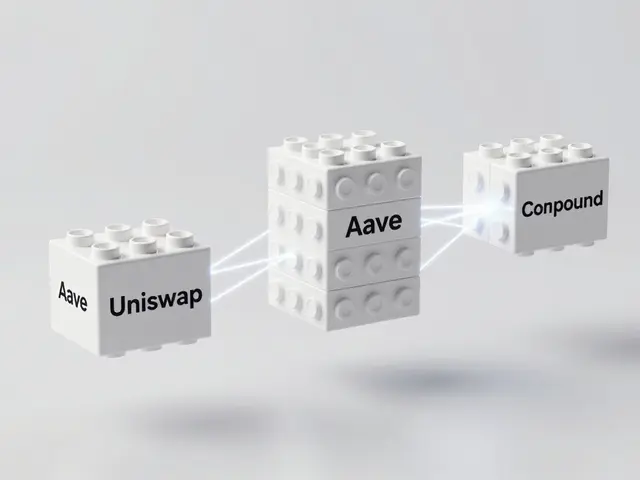
Security, user experience, and integration with DeFi are also crucial. Audited smart contracts prevent exploits, while clear wallet connections reduce friction. Some platforms add staking or liquidity mining to let users earn yields on their NFTs, blurring the line between collectibles and financial assets. These extra layers create a richer ecosystem but also raise regulatory considerations.
Below you’ll find a hand‑picked set of articles that break down each of these pieces in detail—from rollup finality to exchange reviews and airdrop guides. Whether you’re building a new marketplace, scouting the best tech stack, or just curious about how NFTs get bought and sold, the collection offers practical insights you can act on right now.
The Future of NFT Marketplace Technology: Trends Shaping 2025‑2026
Explore how AI, DeFi, multi‑chain support, and real‑world tokenization are reshaping NFT marketplaces in 2025‑2026, with practical insights for creators, investors, and developers.
View MoreLatest Posts