DAI Stablecoin: What It Is, How It Works, and Why It Matters in Crypto
When you want the value of a dollar without the banks, DAI stablecoin, a decentralized, crypto-backed stablecoin pegged to the US dollar. Also known as Dai USD, it’s one of the few stablecoins that doesn’t rely on a company holding cash in a bank. Unlike USDC or USDT, DAI isn’t issued by a corporation. It’s created and managed by a group of smart contracts on Ethereum called MakerDAO, the decentralized organization that governs the DAI system. If you’re holding DAI, you’re not trusting a CEO—you’re trusting code, collateral, and community votes.
How does it stay worth exactly $1? Users lock up assets like ETH, BTC, or even USDC in vaults, then borrow DAI against them. If the value of the collateral drops too much, the system automatically sells part of it to cover the loan. This keeps DAI stable even when crypto prices swing. And because it’s built on Ethereum, DAI works everywhere: DeFi apps, exchanges, wallets, and even NFT marketplaces. It’s the glue holding together hundreds of protocols that need price stability—like liquidity pools, lending platforms, and yield farms. You’ll find DAI in almost every major DeFi protocol because it’s transparent, censorship-resistant, and doesn’t need a bank account to use.
DAI isn’t perfect. It’s still tied to volatile crypto assets, so there are rare moments when it dips below $1—usually during market crashes. But MakerDAO’s community quickly steps in with adjustments to bring it back. That’s the big difference: no central authority can freeze your DAI or shut it down. Even if the whole crypto market crashes, DAI keeps working. That’s why traders use it to protect gains, why developers build apps around it, and why it’s the most widely used stablecoin in decentralized finance. You won’t find DAI in a central bank’s vault—but you’ll find it in over 90% of DeFi transactions.
Below, you’ll find real-world examples of how DAI fits into crypto’s bigger picture—from its role in liquidity mining to how it’s used alongside other stablecoins like USDN and in platforms like SithSwap and ZoomEx. You’ll also see how regulations, like the FATF Travel Rule or MiCA, affect its use across borders. This isn’t theory. These are the posts people are actually reading, trading with, and reacting to right now.
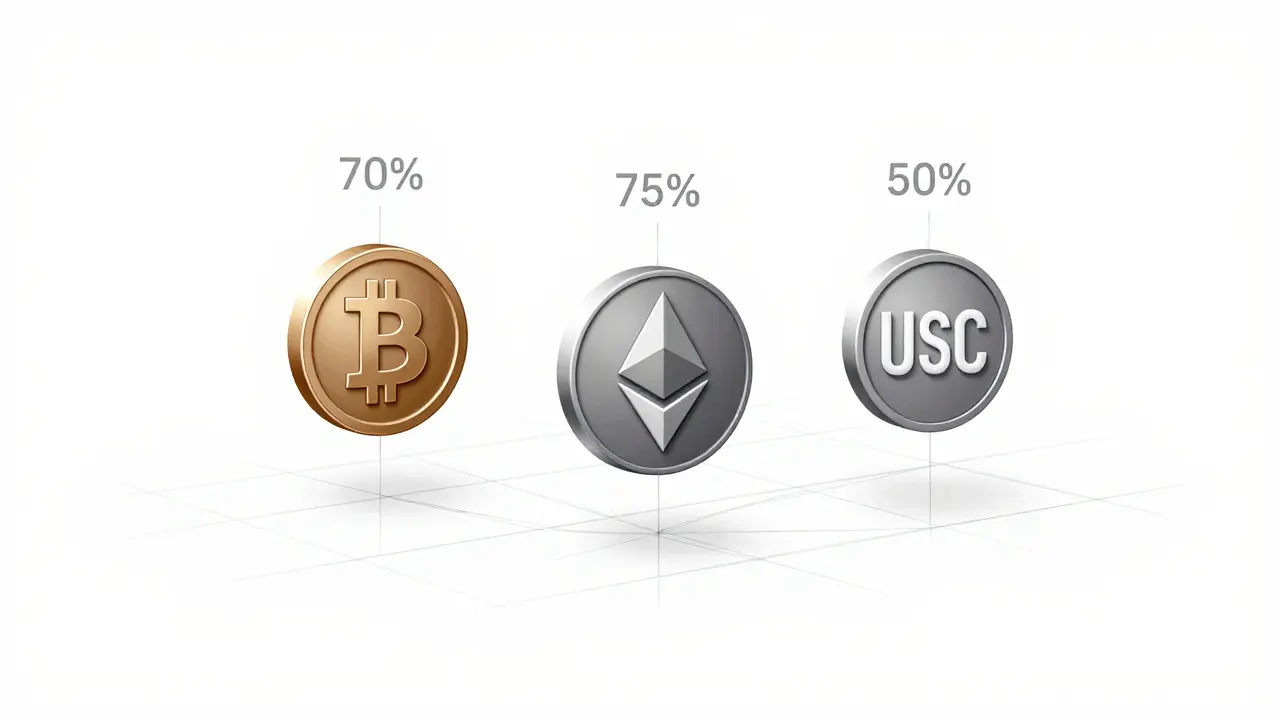
Multi-Collateral vs Single-Collateral Systems in DeFi: What You Need to Know
Multi-collateral systems let you use Bitcoin, Ethereum, and other cryptos together as collateral for loans, while single-collateral systems only allow one asset. Learn which one suits your DeFi needs in 2025.
View MoreLatest Posts