Crypto Exchanges Banned in Nigeria: What You Need to Know
When the Nigerian Central Bank, the country’s primary financial regulator responsible for monetary policy and banking oversight ordered banks to cut off services to crypto exchanges in 2021, it wasn’t just a policy change—it was a shockwave. The move targeted platforms like Binance, the world’s largest crypto exchange, which had become a lifeline for Nigerian traders seeking alternatives to a volatile local currency, and others offering peer-to-peer trading. The goal? To stop capital flight and protect the naira. But instead of killing crypto, the ban pushed it deeper into the shadows—and made it more popular than ever.
What the regulators didn’t account for was how deeply crypto had already woven itself into daily life. Nigerians use crypto to send remittances, pay for imports, and even buy groceries when banks freeze accounts. Platforms like P2P trading networks, decentralized marketplaces where users trade directly without a central exchange exploded in usage. Traders switched to apps like LocalBitcoins, Paxful, and Binance P2P, using mobile money and bank transfers in creative ways to bypass restrictions. Even after the ban, Nigeria remained one of the top countries globally for crypto adoption, according to Chainalysis. The truth? You can ban exchanges, but you can’t ban demand.
The fallout wasn’t just about access—it was about trust. Many Nigerians lost faith in traditional banks after repeated account freezes and unexplained service disruptions. Crypto became less of a speculative asset and more of a survival tool. Today, while major global exchanges like Binance and Kraken no longer offer direct Naira deposits, they still operate through P2P channels. Meanwhile, local platforms have emerged with creative workarounds, often partnering with independent payment processors to keep the flow going. The Nigerian government still talks about regulation, but enforcement remains patchy. For now, crypto isn’t illegal—it’s just not officially welcome.
What you’ll find below are real reviews and deep dives into platforms that Nigerians still use, even after the ban. From exchanges with hidden P2P access to DeFi tools that bypass banks entirely, these aren’t theoretical guides—they’re battle-tested by users who’ve figured out how to trade when the system says no.
What Crypto Exchanges Are Banned in Nigeria in 2025?
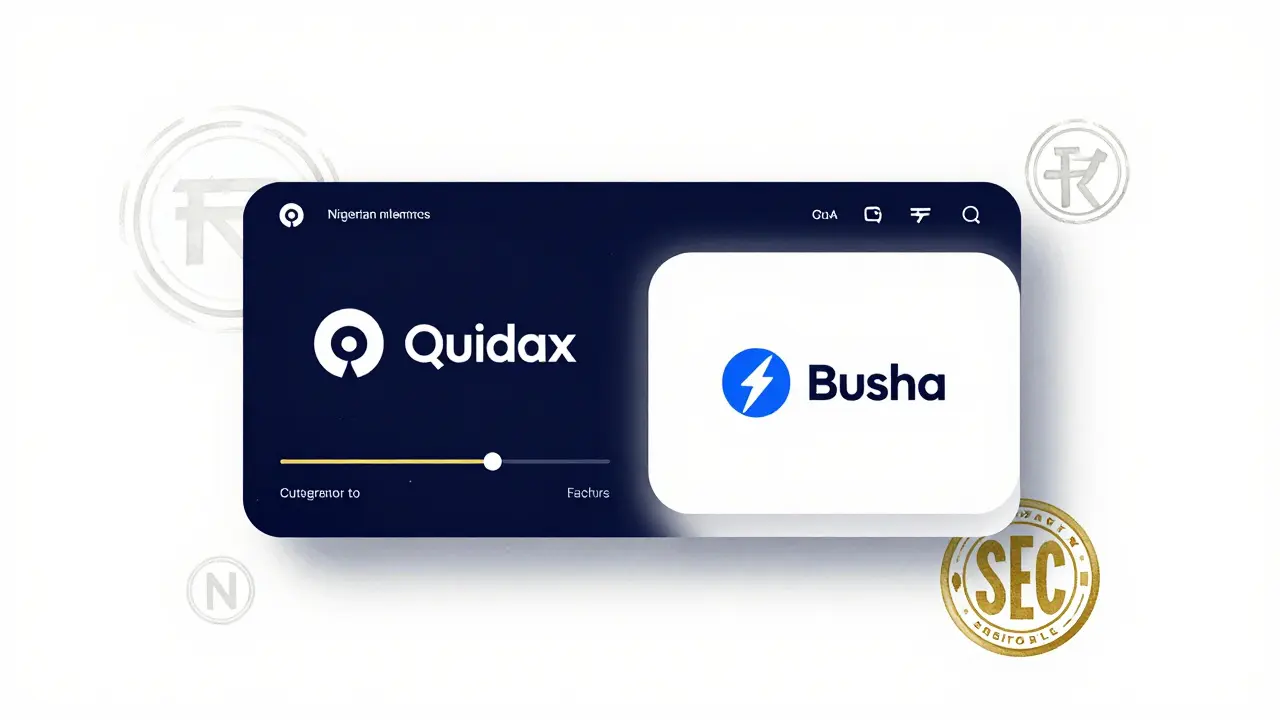
As of 2025, Nigeria doesn't ban crypto exchanges outright-only unlicensed ones. Only Quidax and Busha are approved to offer Naira trading. Binance and others remain accessible but without legal protection.
View MoreLatest Posts