Cross-Border Crypto EU: Regulations, Compliance, and What It Means for You
When you send crypto across borders in the cross-border crypto EU, the movement of digital assets between countries under European Union rules and oversight. Also known as EU crypto transfers, it’s no longer just about wallets and addresses—it’s about legal reporting, identity checks, and who gets to see your transaction history. The EU isn’t blocking crypto. It’s demanding transparency. If you’re moving crypto between Germany and Spain, or sending ETH from France to Italy, you’re now under the same rules that apply to bank wires.
This shift started with MiCA regulation, the Markets in Crypto-Assets law that sets the first unified rules for crypto across all EU member states. MiCA forces exchanges, wallet providers, and even DeFi platforms operating in the EU to register, disclose team details, and follow strict anti-fraud rules. It’s not optional. If you’re using a non-compliant platform, you’re not just taking a risk—you’re breaking the law. And it’s not just about exchanges. The FATF Travel Rule, a global standard requiring crypto firms to share sender and receiver info for transactions over $1,000 is now fully enforced in the EU. That means every time you send more than €1,000 to someone in another country, the platform must verify both parties. No more anonymous transfers.
What does this mean for you? If you’re holding crypto on a non-EU exchange like ZoomEx or Merchant Moe, and you’re in France or the Netherlands, you might be exposed. Those platforms don’t always report to EU authorities. Your funds aren’t necessarily frozen, but if the tax office comes knocking, you’ll need proof of where your crypto came from—and who you sent it to. That’s why platforms like Independent Reserve and Quidax (even though they’re not EU-based) now collect KYC data for EU users. They’re playing it safe.
And it’s not just about compliance. The EU is pushing for digital euro integration, which means future cross-border crypto flows might be monitored through central bank systems. If you’re using stablecoins like USDN or DAI to move value between countries, you’re already in the crosshairs. These aren’t theoretical concerns—they’re real, active rules. The 2025 deadline for full MiCA enforcement isn’t far off. Companies that ignored it are shutting down. Users who didn’t adapt are getting flagged.
You don’t need to stop using crypto. But you do need to understand where the lines are drawn. Whether you’re trading on a DEX like SithSwap, staking ROSE on Oasis, or sending SHIB to a friend in Poland, the rules are now clear: if it crosses a border in the EU, it leaves a digital paper trail. The question isn’t whether you can avoid it. It’s whether you’re ready for what happens when the trail leads back to you.
Below, you’ll find real reviews, breakdowns, and warnings from users who’ve been through this shift—some lost money, others learned fast. This isn’t theory. It’s what’s happening right now.
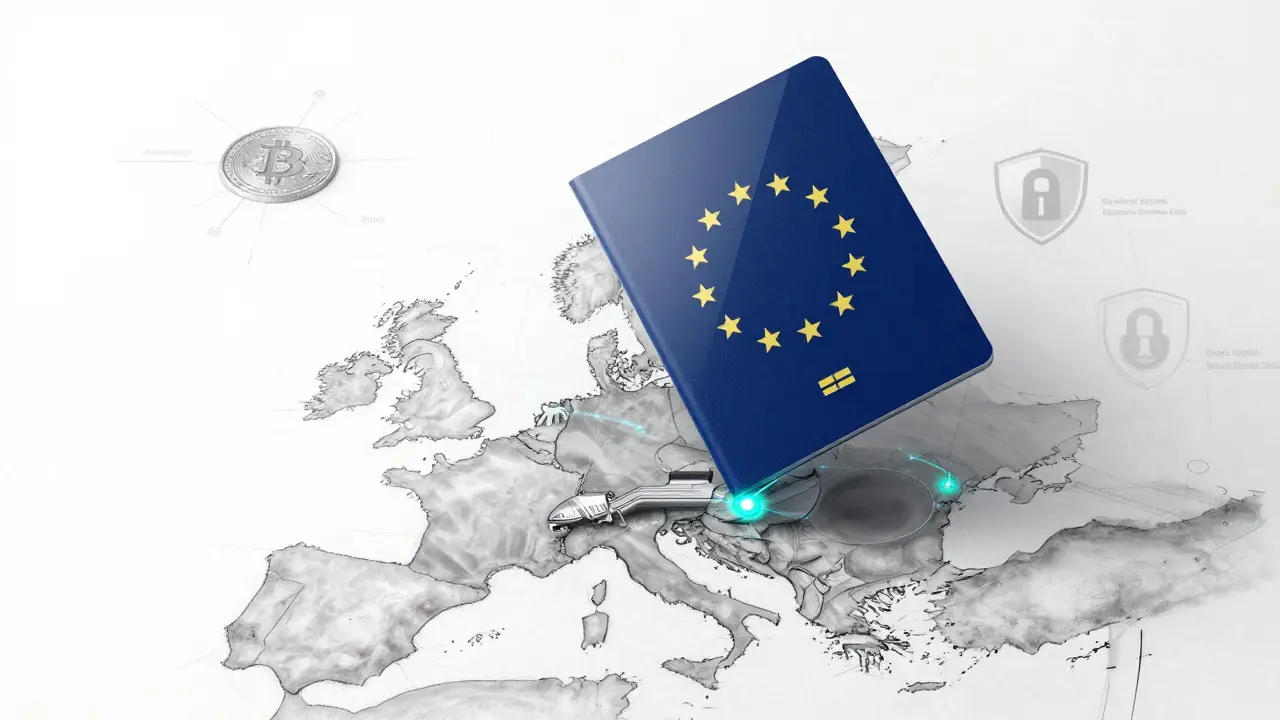
Cross-Border Crypto Services in the EU Under MiCA: What You Need to Know in 2025
MiCA regulation now governs cross-border crypto services across the EU, requiring all providers to get licensed and follow strict rules on transparency, asset protection, and AML. Here’s what businesses and users need to know in 2025.
View MoreLatest Posts