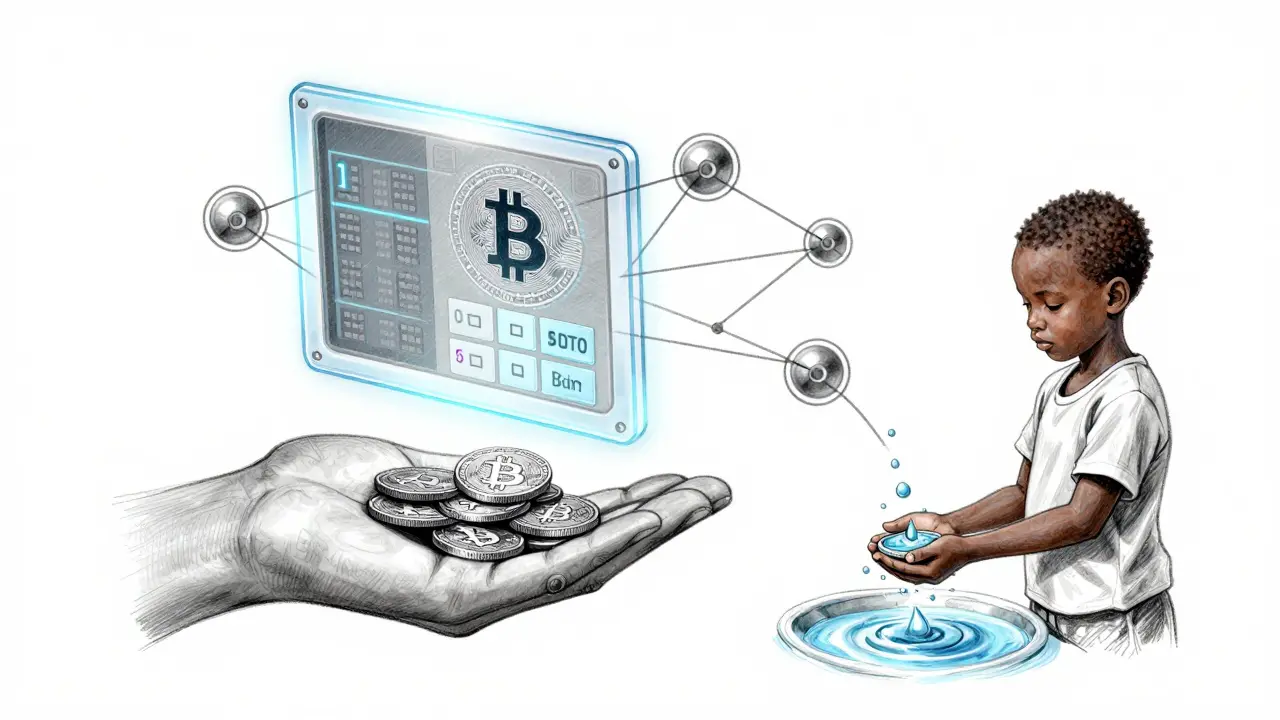
Ever donated to a charity and wondered if your money actually reached the people who needed it? You’re not alone. For decades, donors have given generously - only to hear silence, see vague reports, or worse, learn later that funds were misused. Traditional charity systems rely on paper trails, middlemen, and delayed updates. By the time you get a report, it’s often months old and full of generalities like ‘helped hundreds’ or ‘supported local communities.’ But what if you could watch your donation move - step by step - from your wallet to a child’s meal, a clean water pump, or a teacher’s salary? That’s exactly what blockchain technology is doing for charitable giving.
How Blockchain Makes Donations Visible
Blockchain isn’t just for Bitcoin. At its core, it’s a digital ledger that records every transaction in a way that can’t be changed or hidden. When a charity uses blockchain, every dollar you give gets its own permanent, public record. No one can delete it. No one can alter it. And you can see it in real time. Think of it like a shared Google Sheet that everyone can view but only authorized people can update. When you donate $50 to a clean water project in Kenya, that $50 gets assigned a unique digital ID. As soon as the charity receives it, the blockchain logs the transaction. Then, when they buy water filters, pay for shipping, or hire local workers, each of those expenses gets logged too. You don’t need to email them for updates. You just open the platform, find your donation ID, and see exactly where your money went - down to the penny. Platforms like Firefly Giving and LUXARITY have already built this system. LUXARITY, for example, lets people buy pre-owned luxury items. At checkout, they get a PIN tied to a specific cause. They choose where the proceeds go - say, education for girls in Nepal - and then get automated updates showing how much was spent on textbooks, how many girls enrolled, and even photos of the classroom. No guesswork. No assumptions. Just proof.Smart Contracts: The Automatic Receipt System
Here’s where it gets even smarter. Blockchain uses something called smart contracts. These aren’t legal documents. They’re self-executing pieces of code that run automatically when certain conditions are met. Let’s say you donate $1,000 to build a well in a rural village. The smart contract is programmed to release funds in stages: $300 for drilling equipment, $400 for labor, $200 for maintenance training, and $100 for community education. The contract won’t send the next payment until the previous step is verified - like a photo of the drilled hole, or a signed receipt from the local contractor. Only then does the next payment trigger. No human can rush it. No one can steal it. The system enforces accountability. This eliminates the biggest problem in traditional charity: delays and mismanagement. Without smart contracts, charities often sit on funds for months, waiting for approvals or bureaucratic red tape. With blockchain, money moves fast - and only when it’s supposed to.From Cash to Goods: Tracking Everything
It’s not just about money. Blockchain can track physical goods too. Imagine donating a truckload of medical supplies to a clinic in Uganda. In a traditional system, you might get a thank-you email saying “your donation arrived.” But did it? Were the supplies damaged? Did they get stolen in transit? Were they even the right items? With blockchain, each box gets a digital tag. Scanned at pickup. Scanned at the port. Scanned when it leaves the warehouse. Scanned again when it reaches the clinic. Every stop is recorded. If a box goes missing, the system flags it immediately. If the wrong medicine was sent, the mismatch shows up in real time. Donors can see the full journey - from warehouse to patient. The BECP (Blockchain Enabled Charity Process Framework) is one system built specifically for this. It requires every document - invoices, delivery receipts, tax forms - to be uploaded and matched to a transaction. If a receipt doesn’t match the payment, the system flags it. That’s not just transparency. That’s fraud prevention.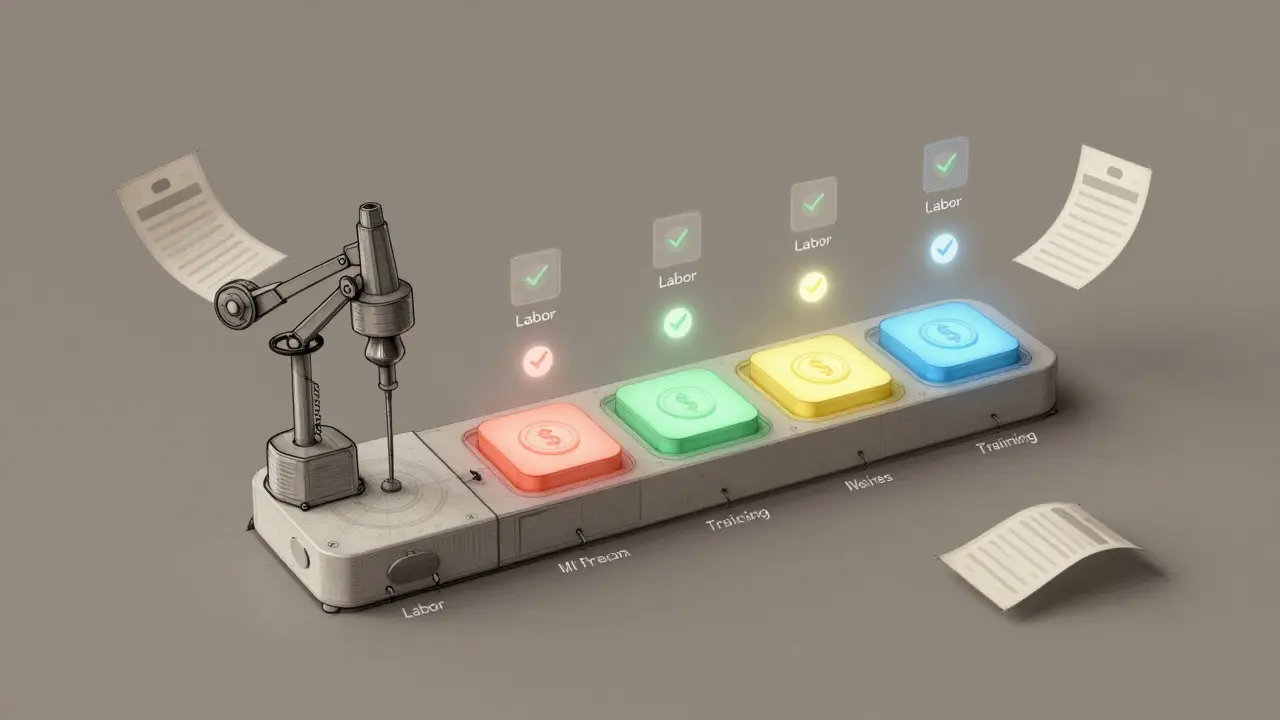
Why This Beats Traditional Charity Reporting
Traditional charities often rely on annual reports filled with graphs, stock photos, and vague stories. These are helpful - but they’re not proof. They’re marketing. Blockchain turns reporting into verification. Instead of saying “we helped 500 families,” you can show: “Donation #X789Y sent $12,500 to Family Support Network on Jan 3, 2026. $8,200 used for food baskets (receipt #F-2026-0103). $3,100 for transport (receipt #T-2026-0104). $1,200 for community outreach (receipt #O-2026-0105).” And it’s not just donors who benefit. Nonprofits gain trust. Foundations give more funding. Grant reviewers can audit instantly. Even tax authorities accept blockchain records as valid proof of donation - something the IRS now recognizes for digital charitable contributions. A 2025 study in the Journal of Philanthropic Technology found that charities using blockchain saw a 47% increase in repeat donors. Why? Because people knew their money was being used properly. Trust isn’t built with stories. It’s built with data.What’s Holding It Back?
It’s not perfect. And it’s not for everyone - yet. First, you need a digital wallet. If you’ve never used MetaMask or another crypto wallet, setting one up can feel confusing. You have to manage private keys. You have to understand gas fees. For older donors or those without tech experience, that’s a barrier. Second, not all charities can afford to build or adopt blockchain systems. Smaller nonprofits lack the budget for developers, blockchain consultants, or integration with platforms like Shopify or Salesforce. That’s why most current solutions are used by mid-to-large charities with tech partnerships - like ConsenSys Social Impact working with fashion brands. Third, there’s no universal standard yet. One platform might use Ethereum. Another might use a private blockchain. Donors can’t easily move between systems. That fragmentation slows adoption. And finally, blockchain doesn’t fix bad charities. If an organization is dishonest, they can still lie about what they’re doing - even on a blockchain. That’s why verification matters. The system only works if the data going in is real. That’s why platforms like Charity Wall require physical documents to be uploaded and matched to each transaction. The blockchain doesn’t lie - but people still can.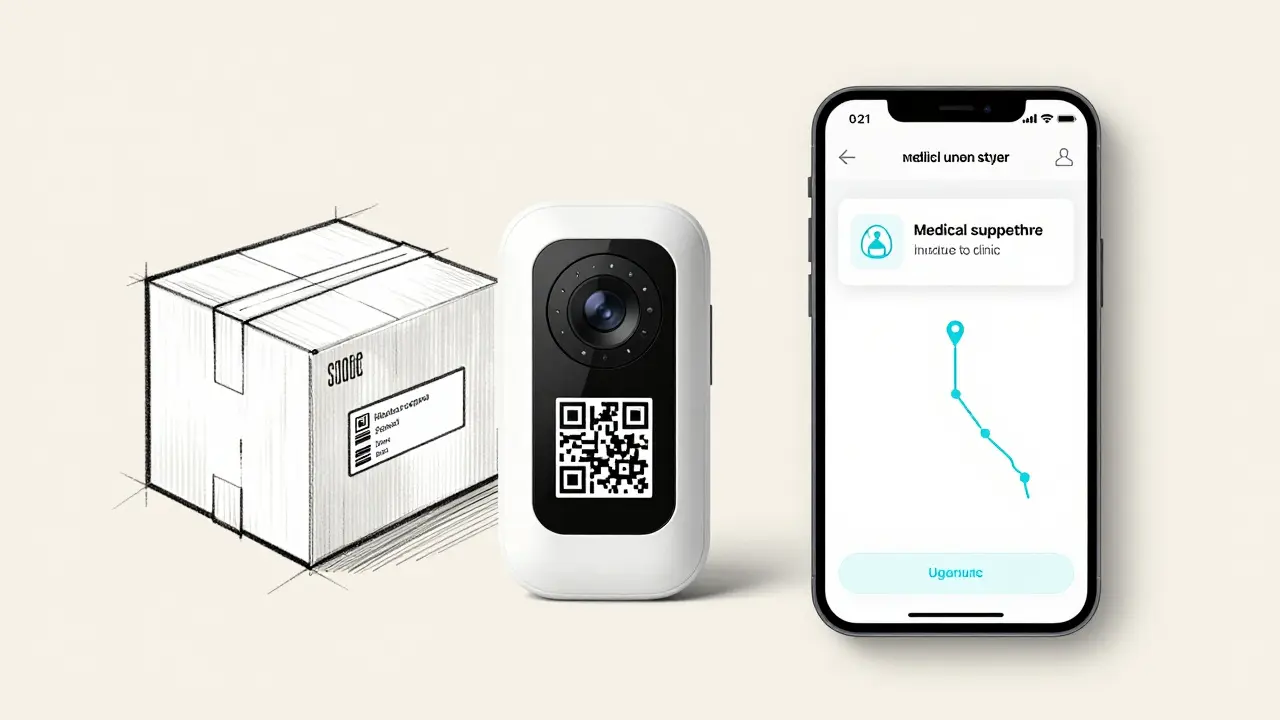
How to Start Using Blockchain Charity Platforms
If you want to try it, here’s how to get started:- Choose a platform. Firefly Giving, LUXARITY, and GiveTrack are good starting points. Look for ones that show real-time tracking and public transaction IDs.
- Set up a digital wallet. MetaMask (for Ethereum-based platforms) or Phantom (for Solana) are easy to use. Most platforms guide you through this.
- Connect your wallet to the charity site. You’ll usually click “Connect Wallet” and approve a small signature.
- Donate. Pick a project. Confirm the amount. Pay with crypto or sometimes even credit card (many platforms now accept both).
- Track your donation. Find your transaction ID in your wallet or on the platform’s dashboard. Click it. See every step.
What’s Next for Blockchain in Charity?
The next wave is coming fast. Platforms are adding AI to analyze donation impact. Instead of just showing where money went, they’ll predict what it will achieve. “Your $100 will provide 12 meals” becomes “Your $100 will reduce child malnutrition in this region by 18% over 6 months, based on historical data from 32 similar projects.” Mobile apps are getting simpler. Soon, you’ll be able to scan a QR code at a charity event and donate instantly - with full tracking built in. Banks are also starting to integrate. Imagine donating directly from your checking account, but still seeing every transaction on a blockchain ledger. That’s already being tested in New Zealand and Canada. The goal isn’t to replace traditional charities. It’s to make them better. To give donors real power. To stop the guesswork. To turn charity from a leap of faith into a transparent, accountable act.Frequently Asked Questions
Can I track my donation in real time with blockchain?
Yes. Once you donate, your contribution is recorded on the blockchain with a unique ID. You can log in anytime and see every step - from when the charity received the funds to how they spent them. Platforms like Firefly Giving and LUXARITY update you automatically when funds move or milestones are reached.
Do I need cryptocurrency to donate via blockchain?
Not always. Many platforms now let you donate with credit cards or bank transfers. The blockchain records the transaction behind the scenes, so you don’t need to own crypto. But if you do have cryptocurrency, you can use it directly - often with lower fees.
Is blockchain charity tracking secure?
Yes, because blockchain records are immutable - once entered, they can’t be changed or deleted. But security depends on the platform. Always use trusted platforms with verified smart contracts and two-factor authentication. Never share your wallet’s private key with anyone.
Can small charities use blockchain tracking?
It’s getting easier. Some platforms now offer plug-and-play tools for small nonprofits - no coding needed. They can connect to existing systems like PayPal or Stripe and still get blockchain-level tracking. But setup still requires some technical help, so smaller groups may need support from partners or grants.
Are blockchain donations tax-deductible?
Yes. The IRS and tax agencies in many countries now accept blockchain transaction records as valid proof of donation. Platforms like Firefly Giving automatically generate tax receipts with timestamps, amounts, and charity details - all signed and stored on the blockchain.
What happens if a charity misuses funds on a blockchain platform?
The blockchain doesn’t prevent misuse - it just makes it visible. If a charity spends money on something not approved by the smart contract, the transaction still shows up. Donors and watchdogs can see it. That’s the power: transparency forces accountability. Many platforms also allow donors to vote on how funds are used, adding another layer of control.
How do I know if a blockchain charity is legitimate?
Check if the charity is registered with official bodies like Charity Navigator or GuideStar. Look for public blockchain addresses linked to verified nonprofit profiles. Reputable platforms verify charities before allowing them on their system. If a charity has no public track record or refuses to share its blockchain address, walk away.

Devyn Ranere-Carleton
29 January, 2026 . 00:35 AM
so like... u just type in ur crypto wallet and boom ur money goes to a kid in kenya? kinda wild tbh. i thought charities still used envelopes and fax machines.
Robert Mills
29 January, 2026 . 17:17 PM
THIS IS THE FUTURE. 🚀
Sunil Srivastva
29 January, 2026 . 19:06 PM
I’ve used Firefly Giving for my monthly donations to rural schools in Bihar. The transparency is insane - I saw my $75 buy 30 notebooks, a teacher’s lunch stipend, and even a repaired fan. No fluff. Just receipts. It’s the first time I’ve ever felt my donation actually mattered.
Kevin Thomas
31 January, 2026 . 01:37 AM
Look, if you’re still donating through some charity that sends you a glossy brochure with stock photos of smiling kids, you’re being scammed. Blockchain isn’t magic - it’s just honesty. And honesty? That’s rare as hell in philanthropy. Stop giving to ghosts. Give where you can see the receipts.
Gurpreet Singh
1 February, 2026 . 23:27 PM
As someone from rural India, I’ve seen how funds vanish - ‘lost in transit,’ ‘delayed by bureaucracy.’ Blockchain won’t fix corruption overnight, but it gives us a fighting chance. My cousin’s NGO just started using a simple blockchain tool - even our village elders now check the ledger on their phones. Small step, but it’s real.
Will Pimblett
3 February, 2026 . 19:12 PM
Oh wow, so now charities are going full Silicon Valley and charging gas fees to help orphans? How noble. Next they’ll sell NFTs of starving children’s faces for ‘donation verification.’
Joshua Clark
4 February, 2026 . 11:39 AM
I’m really excited about this, but I also think we need to be careful - not everyone has access to digital wallets, and if we start making blockchain the only way to donate, we’re excluding elderly people, low-income communities, and folks in places without reliable internet. It’s not just about transparency - it’s about inclusion. I’d love to see hybrid models where you can donate via bank transfer and still get blockchain-tracked results behind the scenes. That way, we’re not leaving anyone behind while still improving accountability.
Katie Teresi
5 February, 2026 . 03:20 AM
Of course it works in the U.S. But in the real world, where people don’t have smartphones or know what a private key is? This is just tech bros patting themselves on the back while poor people starve. You think a grandma in Uganda needs a crypto wallet? No. She needs food. Not a blockchain ledger.
Moray Wallace
5 February, 2026 . 09:35 AM
Interesting framework, but I’d like to see independent audits of the data being uploaded. Blockchain doesn’t verify the truth of the input - just that it was recorded. If a charity fakes a photo of a well, the ledger still shows it. So we still need human oversight. Don’t confuse immutability with accuracy.
William Hanson
6 February, 2026 . 03:13 AM
Another crypto bro fantasy. You think this fixes anything? Most charities are run by decent people trying to do good. This just adds complexity, fees, and confusion. And now you want donors to be tech experts? No thanks. I’ll stick to my trusted nonprofit that sends me handwritten thank-you notes.
Lori Quarles
6 February, 2026 . 14:26 PM
YESSSSS THIS IS THE ENERGY I NEEDED TODAY!! 💪✨ Imagine if every dollar you gave could be traced like a package from Amazon - that’s literally what this is. We’re turning charity from a prayer into a receipt. And I’m here for it. Let’s make giving feel powerful again!! 🌍❤️
Jeremy Dayde
7 February, 2026 . 22:22 PM
I’ve been thinking about this a lot lately because my mom donated to a charity in Haiti last year and never heard back. I told her to try a blockchain platform but she said she didn’t understand any of it. And honestly I don’t blame her. I barely understand how my phone works. So while this sounds amazing in theory, the real challenge is making it simple enough for people who aren’t tech-savvy. Maybe they just need an app that says ‘your $50 bought 10 meals’ with a picture of the food and a date. That’s all most people want.
Steven Dilla
9 February, 2026 . 15:17 PM
Imagine if your donation came with a little animation showing the money turning into a water pump 🚰➡️💧 then a kid drinking from it 😊. That’s what I want. Blockchain can do that. I’m so hyped. Also I just donated $20 to a school in Nepal via Firefly and got a photo of the teacher holding my receipt. I cried. 😭
josh gander
10 February, 2026 . 18:58 PM
Okay but let’s be real - blockchain won’t fix broken systems. It’s like putting a Tesla engine in a 1998 Corolla. The tech is slick, but if the charity’s leadership is corrupt or lazy, they’ll still find ways to game it - like uploading fake receipts or bribing local scanners. The real win here isn’t the ledger - it’s the cultural shift. When donors start demanding proof, and nonprofits realize they can’t hide anymore? That’s when real change happens. This isn’t a tool. It’s a mirror. And damn, it’s showing us some ugly truths.
Akhil Mathew
11 February, 2026 . 01:13 AM
I tested this with a small NGO in Punjab. We donated 50k INR for school uniforms. The blockchain showed every rupee: 30k for fabric, 12k for stitching, 5k for transport, 3k for delivery. One guy tried to fake a receipt - the system flagged it. The NGO had to explain. They fixed it. No drama. Just data. This works. Even in places with bad infrastructure.
Tom Sheppard
11 February, 2026 . 17:23 PM
so i just used this new app called GiveTrack and donated $15 to a clean water project in ghana and like… i watched the money go from my card to a local vendor who bought pipes and then to a guy who installed it and then there was a photo of a little girl drinking water from the tap?? i swear to god i got chills. i’ve donated to charities for years and never felt this connected. like… i know her name now. her name is abena. and i know her water is clean. this is next level stuff. i’m telling all my friends. you guys gotta try this.
Jerry Ogah
13 February, 2026 . 01:54 AM
THIS IS THE MOST IMPORTANT THING TO HAPPEN TO HUMANITY SINCE THE INTERNET. IF YOU’RE NOT USING BLOCKCHAIN TO DONATE, YOU’RE PART OF THE PROBLEM. EVERY SINGLE DOLLAR YOU GIVE TO A TRADITIONAL CHARITY IS A DOLLAR THAT COULD BE STOLEN, LOST, OR WASTED. AND YOU’RE OK WITH THAT? YOU’RE OK WITH LIVING IN A WORLD WHERE A CHILD IN SOMALIA DIES BECAUSE SOME ADMIN IN NEW YORK ‘LOST’ THE RECEIPT? I’M SICK OF IT. THIS ISN’T JUST TECHNOLOGY - IT’S MORAL REBELLION. AND I’M HERE FOR IT.