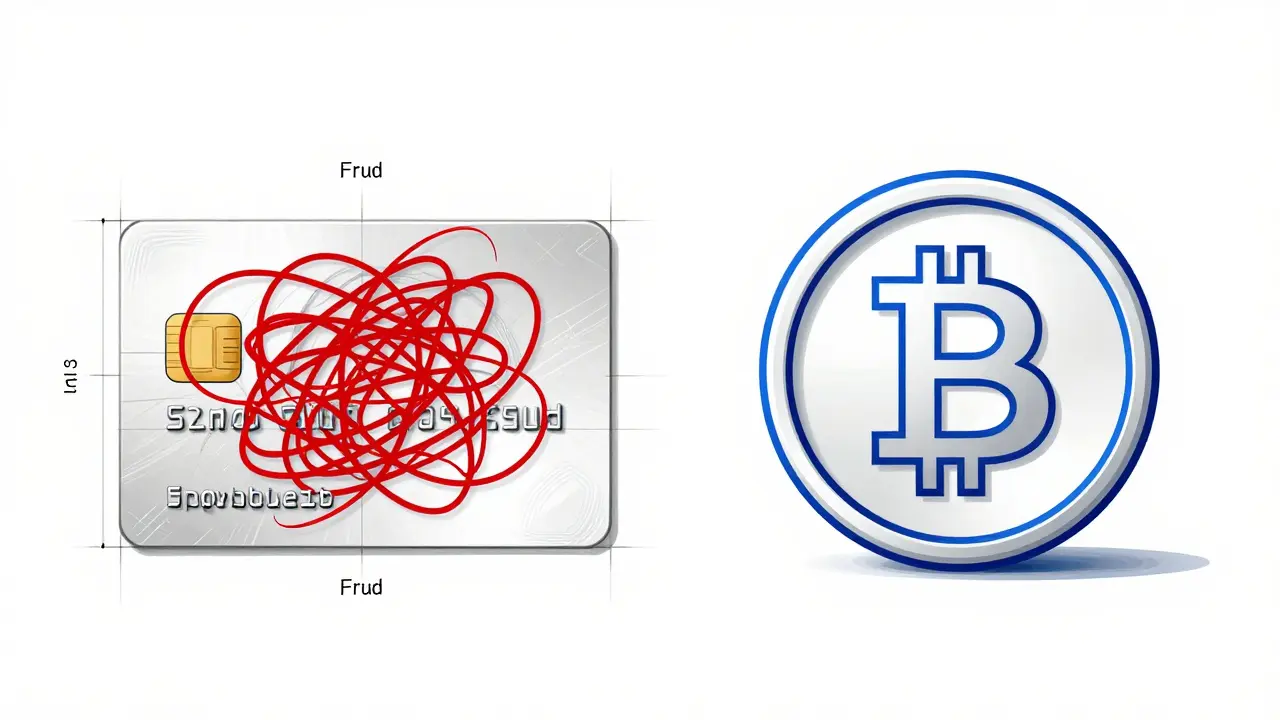
Imagine selling a digital product or shipping a physical item, only to have the customer claim they never authorized the purchase three weeks later. In the world of credit cards, this is a nightmare scenario known as a chargeback. The bank steps in, takes the money back from your account, and you are left without the payment and often without the product. Now imagine a payment system where that simply cannot happen. This is the reality of cryptocurrency transactions.
The phrase "crypto payments have no chargebacks" sounds like marketing hype until you look at how the technology actually works. It is not a policy choice made by a company; it is a mathematical certainty built into the design of blockchains. For merchants, this changes everything about risk management. For customers, it shifts the burden of trust entirely onto the seller. Understanding this distinction is critical if you are considering accepting Bitcoin, Ethereum, or stablecoins on your website.
The Mechanics of Traditional Chargebacks
To understand why crypto is different, we first need to look at how traditional payments work. When you swipe a Visa or Mastercard, you are entering a complex web of intermediaries involving issuing banks, acquiring banks, and card networks. These entities created a dispute resolution process to protect consumers from fraud and billing errors.
In the United States, this mechanism is rooted in laws like the Fair Credit Billing Act (FCBA). If a customer disputes a charge-claiming fraud, non-delivery, or dissatisfaction-their bank can forcibly reverse the transaction. The funds are pulled out of the merchant's account and returned to the cardholder. This happens regardless of whether the merchant believes the dispute is valid.
For businesses, this creates significant risks:
- Friendly Fraud: Customers who legitimately receive goods but dispute the charge to get them for free.
- Administrative Burden: Merchants must spend time gathering evidence to fight these disputes, a process called representment.
- Financial Penalties: High chargeback rates can lead to fines from card networks or even the termination of merchant accounts.
This system relies on a central authority having the power to move money backward. Banks hold the keys to the ledger, so they can rewrite history if they choose to do so.
Why Crypto Transactions Are Final
Cryptocurrencies like Bitcoin is a decentralized digital currency that operates on a public blockchain ledger. operate on a fundamentally different principle: immutability. When a user sends crypto to a merchant's wallet address, that transaction is broadcast to a network of computers. Once enough nodes confirm the transaction, it is recorded on the blockchain.
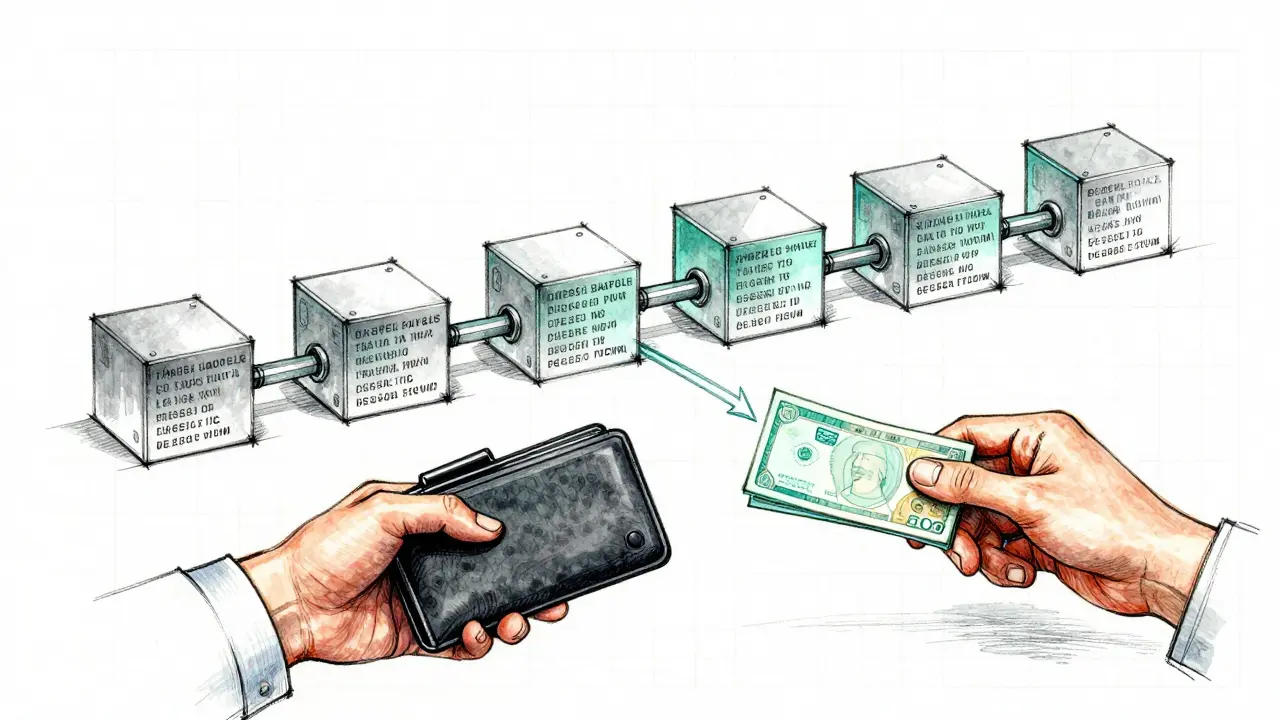
There is no central bank, no clearinghouse, and no customer service department that can intervene. The protocol does not have an "undo" button. If you send five Bitcoin to a merchant, those coins move from your wallet to theirs permanently. There is no third party that can reach into the merchant's wallet and claw those funds back.
This technical finality means that the concept of a chargeback does not exist within the blockchain protocol itself. You cannot call your bank to dispute a Bitcoin transaction because there is no bank involved in the settlement layer. The transfer is peer-to-peer and irreversible by design.
What Happens to Refunds and Disputes?
If chargebacks are impossible, how do honest mistakes or legitimate complaints get resolved? This is where the biggest misunderstanding lies. Just because you cannot force a reversal does not mean you cannot issue a refund.
In the crypto world, a refund is simply a new transaction. If a customer is unhappy with a product, the merchant voluntarily sends the equivalent amount of cryptocurrency back to the customer's wallet. This requires the merchant's cooperation. Unlike a credit card chargeback, which is enforced by an external authority, a crypto refund is a voluntary act of goodwill or policy compliance.
This dynamic shifts the balance of power significantly:
- Merchant Control: Sellers decide when and if to issue refunds based on their own policies.
- Customer Responsibility: Buyers must verify details carefully before sending funds, as typos in wallet addresses result in permanent loss.
- No Forced Reversals: A dishonest customer cannot trick a bank into taking money back after receiving goods.
Some platforms, particularly centralized exchanges like Coinbase or Binance, offer internal dispute mechanisms. However, these are off-chain solutions. They adjust balances in their private databases rather than reversing the actual blockchain transaction. If you buy crypto with a credit card on an exchange and then withdraw it to your personal wallet, you might still be able to chargeback the initial card purchase. But once the crypto is on the blockchain, that chain of custody is broken, and the exchange cannot reverse the on-chain movement.
The Merchant Advantage: Eliminating Friendly Fraud
For many online businesses, especially those selling digital goods like software licenses, e-books, or consulting services, chargebacks are a major threat. A common scam involves a buyer purchasing a digital product, downloading it immediately, and then filing a chargeback claiming they did not authorize the transaction. By the time the merchant proves delivery, the money is already gone.
Accepting crypto payments eliminates this specific vector of fraud. Since the transaction is final, the buyer cannot reclaim funds after consuming the product. This makes crypto an attractive option for high-risk industries or businesses that have been burned by friendly fraud in the past.
Additionally, processing fees for crypto transactions can be lower than credit card interchange fees, which typically range from 1.5% to 3.5%. Some modern gateways, such as TxNod, a non-custodial payment gateway, allows merchants to keep full control of their funds while avoiding traditional banking fees. operate on subscription models rather than taking a percentage of each sale, further improving margins for high-volume merchants.
The Customer Trade-off: Loss of Protection
While merchants benefit from reduced fraud, customers lose a significant safety net. When you pay with a credit card, you have the backing of federal regulations and card network rules. If a merchant disappears with your money or sends a broken product, your bank can help you recover the funds.
With crypto, you waive those protections. If a merchant scams you, you have no recourse through the financial system. Your only hope is that the merchant has a reputation to uphold or that they respond to customer support requests. This lack of protection can make some buyers hesitant to use crypto for large purchases or unfamiliar vendors.
To build trust, merchants accepting crypto should implement clear refund policies and transparent communication channels. Providing proof of delivery and maintaining a good reputation becomes essential, as you cannot rely on a third-party guarantor to enforce fairness.

Navigating the Nuances: Gateways and Exchanges
Not all crypto payments are created equal. The "no chargeback" rule applies strictly to direct on-chain transfers. However, many merchants use payment processors or gateways to accept crypto. These services add a layer of complexity.
Some gateways convert crypto to fiat currency instantly and deposit it into your bank account. In this case, you might still be exposed to chargeback risk if the customer used a credit card to buy the crypto on an exchange. The exchange could reverse the card transaction, leaving the gateway with a loss. The gateway may then attempt to recoup this loss from the merchant, effectively passing the chargeback risk down the line.
To truly benefit from the finality of crypto, merchants should use non-custodial solutions where funds settle directly to their own wallets. This ensures that the money never passes through a third party that could freeze assets or reverse transactions due to upstream banking issues. Tools like TxNod allow merchants to connect their own hardware wallets, ensuring that funds are settled directly on-chain without intermediary custody.
Best Practices for Accepting Crypto Without Chargebacks
If you decide to integrate crypto payments, follow these guidelines to manage the unique dynamics of irreversible transactions:
- Define Clear Policies: Publish a detailed refund and dispute resolution policy on your website. Make it easy for customers to contact you before resorting to negative reviews or social media shaming.
- Verify Addresses: Always double-check wallet addresses before sending refunds. Sending crypto to the wrong address is a common error that cannot be undone.
- Use Non-Custodial Gateways: Choose providers that do not hold your funds. This prevents account freezes and ensures you have immediate access to your revenue.
- Educate Your Customers: Explain the benefits and risks of paying with crypto. Let them know that transactions are final and that they should verify order details before confirming payment.
- Maintain Records: Keep detailed logs of all transactions, including invoice IDs, wallet addresses, and blockchain transaction hashes. This data serves as your proof of payment in any dispute.
The Future of Payment Finality
As more businesses adopt cryptocurrency, the conversation around consumer protection is evolving. We may see the emergence of escrow services or smart contract-based solutions that release funds only when both parties agree conditions are met. These innovations could bridge the gap between the security of blockchain finality and the convenience of traditional buyer protections.
For now, however, the reality remains simple: crypto payments have no chargebacks. This is not a bug; it is a feature. It offers merchants unprecedented protection against fraud and reduces administrative overhead. For customers, it demands greater diligence and trust in the merchants they choose to support. Understanding this trade-off is the first step toward successfully navigating the new economy of digital commerce.
Can I get a refund if I pay with cryptocurrency?
Yes, but it depends entirely on the merchant. Unlike credit cards, there is no automatic reversal process. The merchant must manually send the funds back to your wallet. Check the seller's refund policy before making a purchase.
Why don't crypto payments have chargebacks?
Cryptocurrency transactions are recorded on a blockchain, which is an immutable ledger. Once a transaction is confirmed by the network, it cannot be altered or reversed by any third party, including banks or payment processors. There is no central authority to initiate a chargeback.
Is it safer for merchants to accept crypto instead of credit cards?
In terms of fraud prevention, yes. Crypto eliminates the risk of "friendly fraud," where customers dispute legitimate charges. However, merchants must handle customer service and refunds manually, which requires strong operational processes.
What happens if I send crypto to the wrong address?
If you send cryptocurrency to an incorrect address, the funds are likely lost forever. Because blockchain transactions are irreversible, there is no way to retrieve them unless the owner of the receiving address voluntarily returns them.
Do all crypto payment gateways prevent chargebacks?
Only gateways that settle directly to your wallet without converting to fiat via card-funded exchanges can fully prevent chargebacks. Some processors that convert crypto to cash in your bank account may still expose you to chargeback risk if the customer disputes the initial card purchase used to buy the crypto.