You might be searching for the FEAR Play2Earn NFT tickets airdrop because you heard rumors of free tokens or missed out on an opportunity back in the day. If you are looking to claim those specific tickets right now, I have some bad news: that door is shut tight. The FEAR NFT Games airdrop campaigns happened years ago, and the windows closed long before today’s date of July 2026.
However, understanding what happened with FEAR NFT Games, a blockchain gaming project that attempted to blend non-fungible token distribution with play-to-earn mechanics offers valuable lessons for any crypto participant. We will look at exactly how these airdrops worked, why they attracted attention, and what you should watch out for when evaluating similar opportunities today.
The Original FEAR Play2Earn NFT Tickets Campaign
To understand the hype, we need to look back at the initial campaign. FEAR NFT Games partnered with CoinMarketCap, a leading cryptocurrency data aggregator to distribute digital assets directly to users. This wasn't just a random giveaway; it was a structured marketing push designed to onboard new players into their ecosystem.
The core mechanic involved distributing 2,000 Play2Earn NFT airdrop tickets. Each ticket held significant value within the project's economy, pegged at 25 $FEAR tokens, the native utility token of the FEAR platform. For context, this meant participants weren't just getting a souvenir; they were receiving a direct entry pass into the game's economic loop. The team declared this initial drop a "huge success," citing high engagement rates from the community.
Why did this matter? In the world of Play-to-Earn (P2E) gaming models where players earn rewards through gameplay, access is often the biggest barrier. By giving away tickets, FEAR lowered the barrier to entry. You didn't need to buy expensive equipment or invest heavily upfront. You just needed to be present during the airdrop window.
- Total Tickets Distributed: 2,000 unique NFTs
- Value Per Ticket: 25 $FEAR tokens
- Platform Partner: CoinMarketCap
- Target Audience: New players and existing holders
The Larger Follow-Up: FEAR x CoinMarketCap
Riding the wave of momentum from the first drop, the project launched a much larger campaign. This second phase, branded as "FEAR x CoinMarketCap," expanded the scope significantly. Instead of just 2,000 tickets, the pool grew to include 20,000 $FEAR tokens. At the time of distribution, this pool was valued at approximately $30,000 USD.
This campaign targeted over 500 winners. It concluded sharply on September 24, 2021, at 2 PM EST. The strict deadline was typical for airdrops of this nature-creating urgency drives participation, but it also means if you blinked, you missed out. There was no extension, no grace period. Once the clock hit 2 PM EST, the smart contracts executed, and the remaining unclaimed tokens stayed with the project or were burned, depending on the specific contract logic used at the time.
| Campaign Phase | Distribution Size | Token Value | End Date | Status |
|---|---|---|---|---|
| Initial NFT Tickets | 2,000 Tickets | 25 $FEAR each | Early 2021 | Closed |
| FEAR x CoinMarketCap | 20,000 Tokens | $30,000 Total Pool | Sept 24, 2021 | Closed |
Where Is FEAR NFT Games Today?
If you visit the platform now, you will likely see a message stating, "It looks like you are too late! The airdrop is closed." This status reflects the current reality of the project. As of mid-2026, there is no active public airdrop running under the original structure. The market capitalization listed in historical data was around $117.47K, which is relatively small for a major gaming protocol, suggesting limited liquidity and trading volume compared to giants in the space.
FEAR NFT Games raised a total of $1.24 million across four funding rounds. These funds came from token launches, Initial DEX Offerings (IDOs), and additional financing. While this capital allowed them to build their initial infrastructure and run these marketing campaigns, it does not guarantee long-term sustainability. Many projects from the 2021 boom cycle struggled to maintain user retention once the novelty of free tokens wore off.
The lack of recent updates, combined with the closed status of their primary growth engine (the airdrops), indicates that the project has either pivoted quietly, slowed development, or ceased active operations. For investors or gamers looking to jump in now, this is a critical red flag to investigate further before committing any resources.
Understanding the Play-to-Airdrop Trend
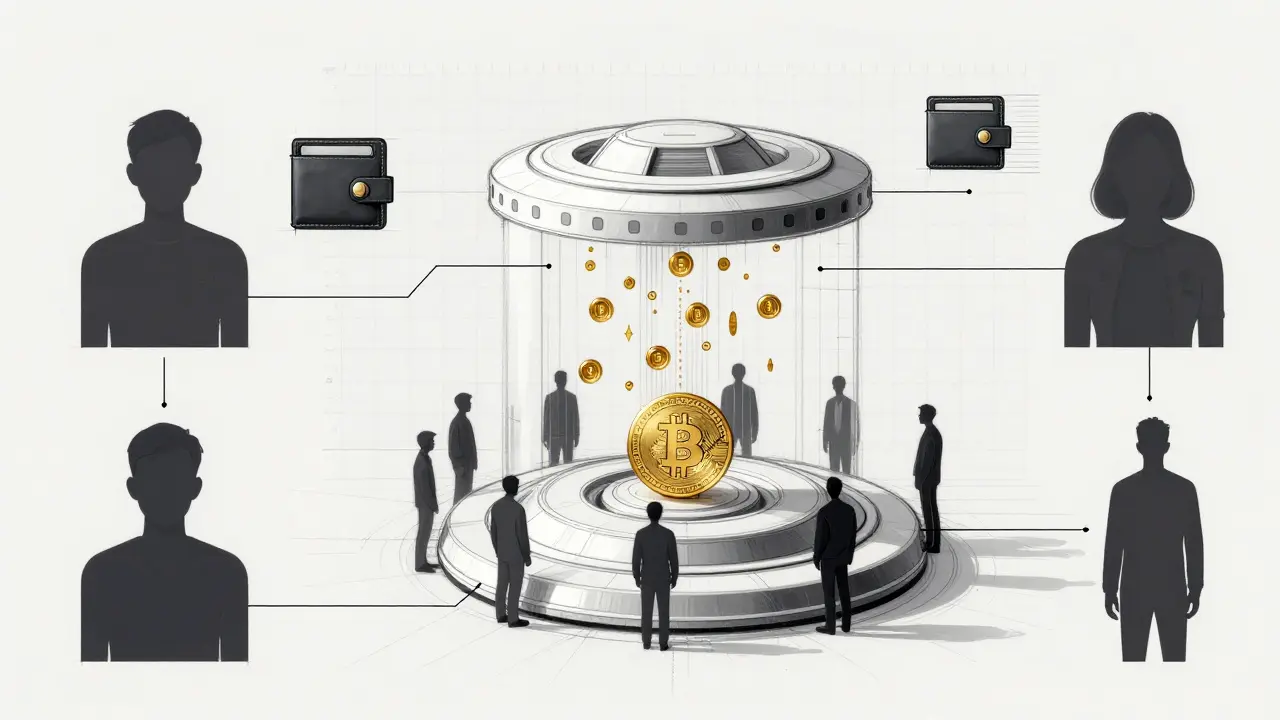
FEAR was part of a broader trend known as "Play-to-Airdrop" or "Airdrop Farming." This strategy emerged prominently in 2021 and 2022. Projects would give away free assets to build a large user base quickly. The idea was simple: get thousands of wallets interacting with your contract, then launch a token sale or game feature later.
While effective for short-term visibility, this model has several pitfalls:
- Bot Activity: Many "users" were bots created solely to collect free tokens, inflating metrics without adding real community value.
- Sell Pressure: When tokens eventually became tradable, recipients often sold immediately, crashing the price.
- Regulatory Scrutiny: Distributing financial assets freely can attract attention from regulators who view it as an unregistered securities offering.
Today, the landscape has matured. Platforms are more selective. They require proof of human activity, such as on-chain history or social verification, rather than just handing out keys to anyone with a wallet address.
Lessons for Modern Crypto Participants
Even though you cannot claim the FEAR tickets, the case study provides a blueprint for evaluating future opportunities. Here is what you should keep in mind when you see a new "Play2Earn" announcement.
- Check the Dates: Always verify if an airdrop is still open. Old links circulating on social media are often traps or scams trying to phish your private keys.
- Verify the Source: Did the partner actually announce it? In FEAR's case, CoinMarketCap was a legitimate partner. Today, many scammers impersonate major brands like Binance or Coinbase.
- Assess Token Utility: Does the token do anything besides being sold? FEAR tokens were tied to game tickets. If the game isn't fun or sustainable, the token value drops to zero.
- Look for Transparency: Legitimate projects publish their funding details and team information. FEAR disclosed their $1.24M raise, which is a good sign, but past transparency doesn't equal future success.
Security Risks in Airdrop Hunting
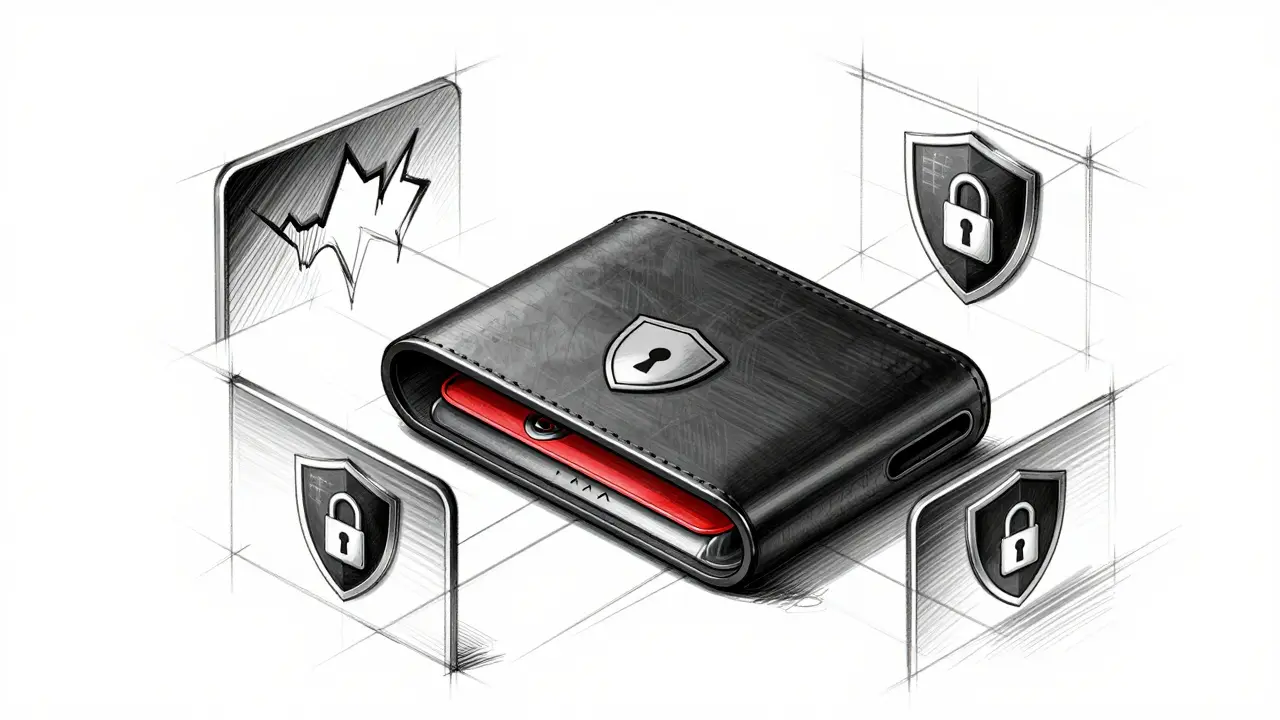
One of the biggest dangers in chasing old airdrops is falling victim to phishing sites. Scammers know people search for "FEAR airdrop" or "missed crypto giveaways." They create fake websites that look identical to the original campaign pages. These sites ask you to connect your wallet to "claim" your reward. Instead of sending you tokens, they drain your existing holdings.
Never connect your primary wallet to unknown dApps. Use a burner wallet with minimal funds if you must interact with experimental platforms. Additionally, always double-check the URL. A single letter difference can mean the difference between a legitimate site and a scam.
Can I still claim the FEAR Play2Earn NFT tickets?
No, the FEAR Play2Earn NFT tickets airdrop is permanently closed. The initial campaign distributed 2,000 tickets, and the follow-up CoinMarketCap campaign ended on September 24, 2021. Any website claiming you can still claim these specific tickets is likely a scam.
What was the value of the FEAR airdrop tokens?
Each of the 2,000 NFT tickets was valued at 25 $FEAR tokens. The subsequent larger campaign distributed 20,000 $FEAR tokens, which had a total market value of approximately $30,000 USD at the time of the drop in 2021.
Is FEAR NFT Games still active in 2026?
There is no evidence of active major campaigns or widespread user engagement as of 2026. The project raised $1.24 million historically, but current market data suggests low activity. Users visiting the platform see messages indicating airdrops are closed.
Who partnered with FEAR for the airdrop?
FEAR NFT Games partnered with CoinMarketCap, a prominent cryptocurrency tracking platform, to host and promote both the initial NFT ticket distribution and the larger token giveaway campaign.
How do I avoid airdrop scams?
Always verify official announcements on the project's verified social media channels and website. Never click links from unsolicited emails or DMs. Use a separate "burner" wallet for interacting with new or uncertain airdrop sites to protect your main holdings.