Imagine trying to plug a massive server rack into your wall outlet, but the landlord says, "No, that power is reserved for my electric car and heat pump." That’s essentially what happened in British Columbia. Since late 2022, the province has kept a firm grip on its electricity grid, effectively blocking new connections for cryptocurrency miners. If you’re wondering why one of the world’s most hydro-rich provinces turned its back on digital gold, you need to look past the hype and at the hard math of energy allocation.
This isn’t just about hating on tech; it’s about a strategic pivot. British Columbia generates over 90% of its power from renewable sources, primarily hydroelectricity through BC Hydro. For years, cheap green energy attracted miners looking to maximize profits. But as the province pushed its CleanBC climate goals, officials realized that feeding energy-hungry mining rigs was competing directly with residents switching to electric vehicles (EVs) and heat pumps. The result? A strict suspension of new electricity requests for mining, a legal battle that ended in court, and a regulatory framework that prioritizes residential electrification over speculative digital asset production.
The Power Grab: Why BC Said Stop
Let’s get specific. In December 2022, the provincial government issued an 18-month moratorium on new electricity connection requests from cryptocurrency mining operations. This wasn’t a suggestion; it was a hard stop managed by BC Hydro. By Spring 2024, they extended this ban to 36 months, pushing the review date to December 2025. As we sit here in September 2026, the question remains: will these restrictions lift, or has the door closed permanently?
The numbers driving this decision were staggering. Before the freeze, 21 different crypto mining projects had collectively requested 1,403 megawatts of capacity. To put that in perspective, that amount of electricity could power approximately 570,000 homes. Or, if you prefer a modern metric, it could charge 2.1 million electric vehicles annually. Minister of Energy, Mines and Low Carbon Innovation, Josie Osborne, didn’t mince words. She argued that mining consumes massive amounts of electricity to run high-powered computers 24/7 while creating very few local jobs compared to other industrial uses.
The core conflict is simple: scarce resources. BC Hydro’s infrastructure isn’t infinite. Every megawatt sent to a mining farm in the interior is a megawatt not available for a factory upgrading its machinery or a family installing a heat pump. The province decided that long-term economic diversification and carbon reduction took precedence over short-term mining profits.
Bill 24 and the Legal Battle
Regulations often face pushback, and this one was no exception. The provincial government formalized its authority through the Energy Statutes Amendment Act (Bill 24). This legislation gave the Cabinet direct regulation-making power over electricity service for crypto mining, bypassing the usual lengthy reviews by the BC Utilities Commission. It was a swift move designed to prevent loopholes.
Natural resource company Conifex Timber challenged this, arguing the restrictions were unreasonable. They operated colocation facilities for Greenidge Generation and sought to consume nearly half the output of the new Site C dam-about 2.5 million megawatt hours annually. Conifex took the fight to the courts, hoping to secure unrestricted power access.
The courts disagreed. Both the B.C. Supreme Court and the British Columbia Court of Appeal ruled in early 2024 that the provincial policy was reasonable. The judges emphasized BC Hydro’s duty to act in the public interest. Preserving supply for ratepayers and preventing higher consumer rates outweighed the commercial interests of private mining firms. This legal precedent cemented the government’s right to limit electricity supply to Bitcoin mining, regardless of market conditions.
Vancouver’s Contradiction vs. Provincial Law
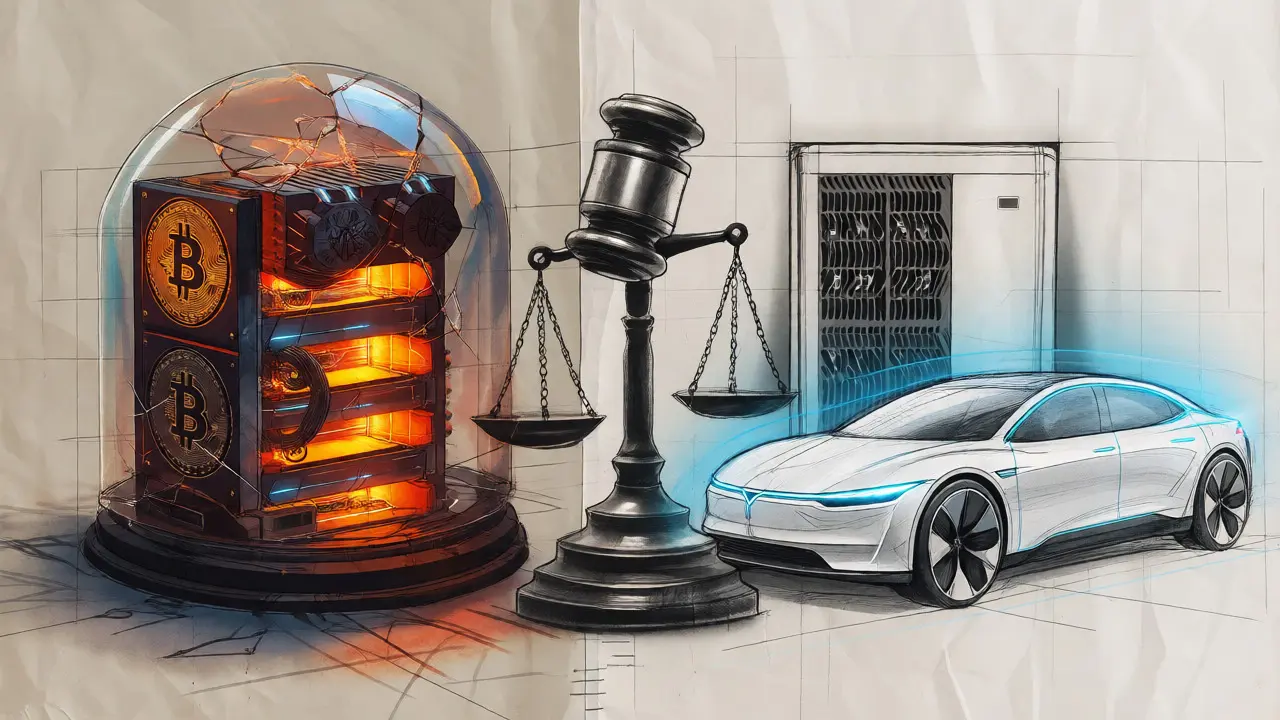
Here’s where things get ironic. While the province clamped down, Vancouver City Council passed a motion introduced by Mayor Ken Sim to position the city as a "bitcoin-friendly" hub. The argument was that Bitcoin offers financial benefits and mining advantages that could boost regional development. It sounds great on a campaign poster, but municipal enthusiasm can’t override provincial jurisdiction over utilities.
Vancouver doesn’t control the grid; BC Hydro does. And BC Hydro answers to the provincial Ministry. So, while Vancouver might offer tax incentives or friendly zoning, if there’s no electricity available for new connections, those promises don’t mean much for a miner needing gigawatts of power. The disconnect highlights a common issue in Canadian energy policy: local governments want the investment, but provincial governments manage the physical constraints of the grid.
How BC Compares to the Rest of Canada
British Columbia isn’t alone in tightening the screws. Across Canada, jurisdictions with abundant hydroelectricity have faced similar pressures. Here is how BC stacks up against its neighbors:
| Province | Status | Key Mechanism | Primary Driver |
|---|---|---|---|
| British Columbia | Suspended/New Connections Blocked | Moratorium via Bill 24 | CleanBC Goals & Residential Electrification |
| Manitoba | Suspended | Utility Suspension (2022) | Grid Capacity Preservation |
| Quebec | Restricted | Rate Increases & Caps | Hydro-Québec Revenue & Demand Management |
| New Brunswick | Moratorium | Large-Scale Request Freeze | Industrial Rate Protection |
| Alberta | Open Market | Deregulated Pricing | Market Flexibility & Surplus Supply |
Alberta stands out as the notable exception. Its deregulated energy market allows miners to bid for surplus power, often when wind generation exceeds demand. In contrast, BC’s regulated monopoly model means the utility decides who gets priority. For miners, Alberta remains the go-to destination in Canada, while BC has become a cautionary tale of regulatory risk.
The Economic Trade-Off: Jobs vs. Joules
Miners argue that they bring capital investment and stabilize the grid by consuming excess baseload power. They point to the global nature of Bitcoin, suggesting that restricting local mining just shifts the environmental impact elsewhere. However, provincial officials counter that the job creation per megawatt is dismal.
A typical large-scale mining facility requires minimal staff once operational. Compare that to an EV manufacturing plant or a data center supporting AI workloads, which require engineers, technicians, and support services. The province views electrification projects as multipliers for the local economy. Mining, conversely, is seen as an export of value-energy leaves the province as digital tokens, with limited recirculation in the local community.
Furthermore, the timing matters. With Bitcoin prices hitting highs (reaching $107,000 recently), profitability spikes. This creates a rush for capacity exactly when residential demand for EV charging is surging. Allowing miners to lock in long-term contracts during peak price periods could squeeze out residential users who need reliable, affordable power year-round.
What Happens Next? The Path to Permanent Policy
The initial suspensions were meant to buy time for policy development. The Ministry conducted extensive stakeholder engagement in 2023, inviting over 400 First Nations groups, municipalities, and industry associations to discuss permanent frameworks. The goal was to create rules that balance economic opportunity with climate commitments.
As of late 2025 and into 2026, the focus has shifted from temporary bans to structured regulations. Expect any future opening of the market to come with strings attached. Possibilities include:
- Interruptible Rates: Miners pay less but agree to shut down during peak residential demand times.
- Green Certificates: Mandatory proof that mining uses only surplus renewable energy, not base-load supply needed for households.
- Capacity Limits: Hard caps on total megawatts allocated to the sector.
If you are operating in BC, check the current status with BC Hydro. If you are looking to enter, look north to Alberta or south to Texas, where regulatory environments remain more favorable for pure-play mining operations.
Can I still mine Bitcoin in British Columbia if I already have a connection?
Yes, existing operations generally retain their grandfathered rights under previous agreements. The restrictions primarily target new connection requests. However, existing miners may face stricter reporting requirements or pressure to participate in demand-response programs during peak usage times.
Why did Vancouver declare itself 'Bitcoin-friendly' if mining is restricted?
Vancouver’s declaration was largely symbolic and aimed at attracting fintech companies, exchanges, and blockchain developers rather than heavy industrial miners. Municipalities cannot override provincial utility regulations, so the title refers to business friendliness for the broader crypto ecosystem, not necessarily for energy-intensive mining farms.
Is BC Hydro’s hydroelectric power considered 'green' enough for ESG-focused miners?
Technically, yes. Hydroelectricity is low-carbon. However, the provincial government argues that using this finite green resource for mining prevents its use for decarbonizing harder-to-abate sectors like transportation and heating. Therefore, even though the source is green, the allocation is deemed inefficient for the province's overall climate goals.
Will the restrictions be lifted after December 2025?
The moratorium expired in December 2025, transitioning into a period of developing permanent regulations. As of 2026, new connections are still heavily scrutinized. There is no automatic return to open access; instead, expect a regulated system with potential caps or interruptible rates rather than a full reopening.
Which Canadian province is best for crypto mining now?
Alberta is currently the most viable option due to its deregulated energy market, which allows miners to purchase surplus power competitively. Other provinces like Manitoba and Quebec maintain strict controls or higher rates specifically targeting high-consumption industries.