There is a massive amount of confusion circulating in the crypto community right now regarding a supposed "BSC MVBIII x BabySwap Event airdrop." Many users are searching for details on how to claim free tokens from this specific event, only to hit a dead end. The reality is simpler but requires careful distinction: BabySwap is a decentralized exchange (DEX) on the BNB Smart Chain that participated in the Most Valuable Builders III program but did not launch a standalone token airdrop tied directly to that award. Instead, the hype you are likely seeing stems from a mix-up with a completely different project called Babylon, which recently distributed its own BABY token through a separate infrastructure-based airdrop.
If you have been clicking links hoping to find a BabySwap MVBIII reward portal, you need to stop and verify what you are actually looking at. Scammers often exploit these naming similarities-both projects use the symbol "BABY" and operate within broader blockchain ecosystems-to trick users into connecting their wallets to malicious sites. Understanding the difference between BabySwap’s role as a DEX and Babylon’s role as a Bitcoin-security infrastructure provider is crucial for protecting your assets.
Understanding the BSC MVBIII Program and BabySwap’s Role
To clear up the mystery, we first need to look at what the Most Valuable Builders III (MVBIII) is. This was an initiative by BNB Chain designed to recognize and support high-performing decentralized applications. The program allocated $100 million in ecosystem funds to developers based on metrics like transaction volume, user growth, and innovation.
BabySwap performed exceptionally well during this period. In September 2023, it was awarded the "Monthly Stars" title for August 2023. At that time, BabySwap ranked 5th in daily active users among all BSC applications, handling an average daily trading volume of approximately $60 million. However, this award was a recognition of platform performance, not a trigger for a public token airdrop.
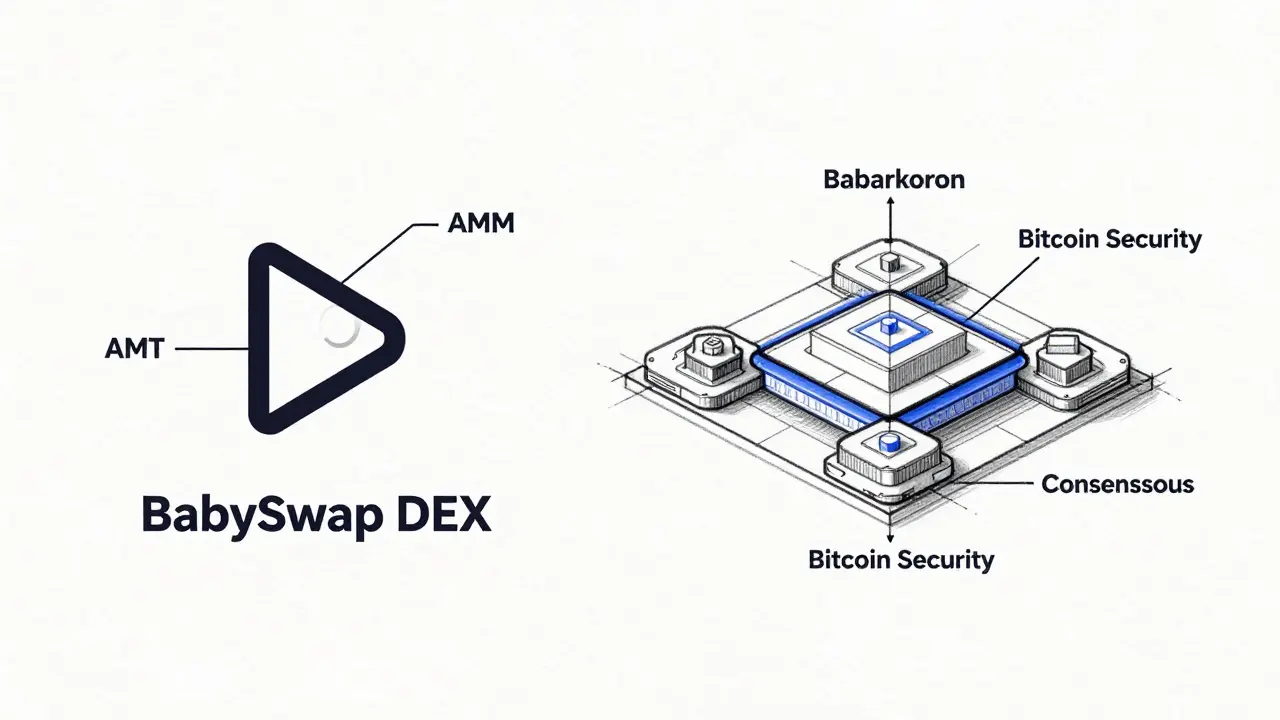
The MVBIII framework focused on developer incentives and ecosystem support. While winning such an award boosts a project’s credibility and may lead to internal grants or marketing support, it does not automatically result in a distribution of tokens to retail users. BabySwap’s core product remains its Automated Market Maker (AMM) and its NFB (Non-Fungible Baby) NFT ecosystem. Users interact with BabySwap by swapping tokens, providing liquidity, or staking NFTs for higher Annual Percentage Rates (APRs). There is no official "MVBIII Claim Portal" for BabySwap tokens.
| Feature | BabySwap | Babylon |
|---|---|---|
| Primary Function | Decentralized Exchange (DEX) & NFT Platform | Bitcoin-Secured Network Infrastructure |
| Blockchain Base | BNB Smart Chain (BSC) | Bitcoin Security Layer / Independent Chain |
| Token Symbol | BABY | BABY |
| Airdrop Mechanism | No major public airdrop; rewards via staking/NFTs | Large-scale public airdrop (Feb-Mar 2025) |
| MVBIII Status | Winner (Monthly Stars Aug 2023) | Not applicable (Different ecosystem focus) |
| Key Risk | Smart contract risk, impermanent loss | Inflationary pressure, network adoption uncertainty |
The Babylon BABY Token Airdrop: What Actually Happened
The confusion arises because Babylon launched a significant airdrop for its BABY token in early 2025. This event was unrelated to BabySwap or the BSC MVBIII program. Babylon is a project focused on bringing Bitcoin security to other blockchains, creating a novel consensus mechanism that leverages Bitcoin’s robustness.
Babylon’s airdrop registration opened from February 25 to March 25, 2025. The token listed on major exchanges like Binance and Bitget on April 10, 2025. The total genesis supply was 10 billion BABY tokens, with a core airdrop allocation of at least 600 million tokens (6% of supply). When including bonus staking rewards, the distributed amount expanded to approximately 900 million tokens.
Eligibility for the Babylon airdrop was strict and targeted specific groups:
- BTC Stakers: Users who staked Bitcoin during Phase-1 (up to block height 875,087) were eligible for a portion of the 30 million BABY reward pool.
- Pioneer Pass NFT Holders: Owners of specific Babylon NFTs received allocations.
- Finality Providers: Developers and node operators registered on Babylon GitHub with delegations during Phase 1.
- Open Source Contributors: Developers who contributed code to relevant repositories.
- Social Contributors: Active community members who engaged before February 18, 2025.
If you did not participate in these specific activities, you were not eligible for the Babylon airdrop. Any website claiming you can claim "BabySwap MVBIII" tokens by simply entering your wallet address is almost certainly a scam attempting to drain your funds.
Why the Confusion Persists: Naming and Ecosystem Overlap
Both projects operate in the broader cryptocurrency space and use the same ticker symbol, "BABY," which creates natural friction for users. Additionally, both have had periods of high visibility. BabySwap gained attention through its MVBIII win and its focus on making DeFi accessible to smaller projects. Babylon gained attention through its innovative Bitcoin-security narrative and large-scale marketing campaign.
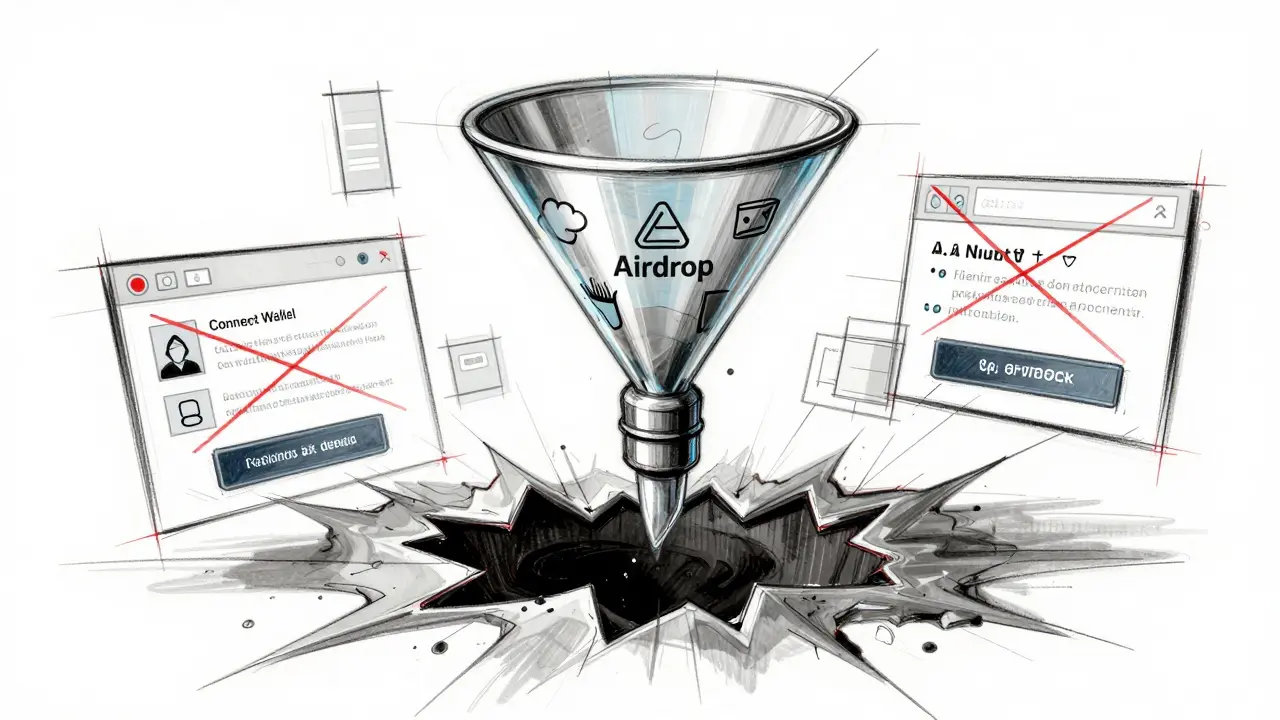
Scammers capitalize on this overlap. They create fake landing pages that mimic the branding of legitimate projects like BabySwap, using keywords like "MVBIII Reward" or "Legacy Airdrop" to lure victims. These sites often ask users to connect their MetaMask or Trust Wallet and sign arbitrary transactions, which effectively transfers control of the user’s assets to the attacker.
To protect yourself, always verify the source of any airdrop announcement. Official news from BabySwap is posted on their verified Telegram channel (approximately 15,000 members as of 2025) and their official website. Similarly, Babylon’s announcements were made through their official Discord and Twitter accounts. Never click links from unsolicited DMs or unofficial forums.
Current Status and Future Outlook for Both Projects
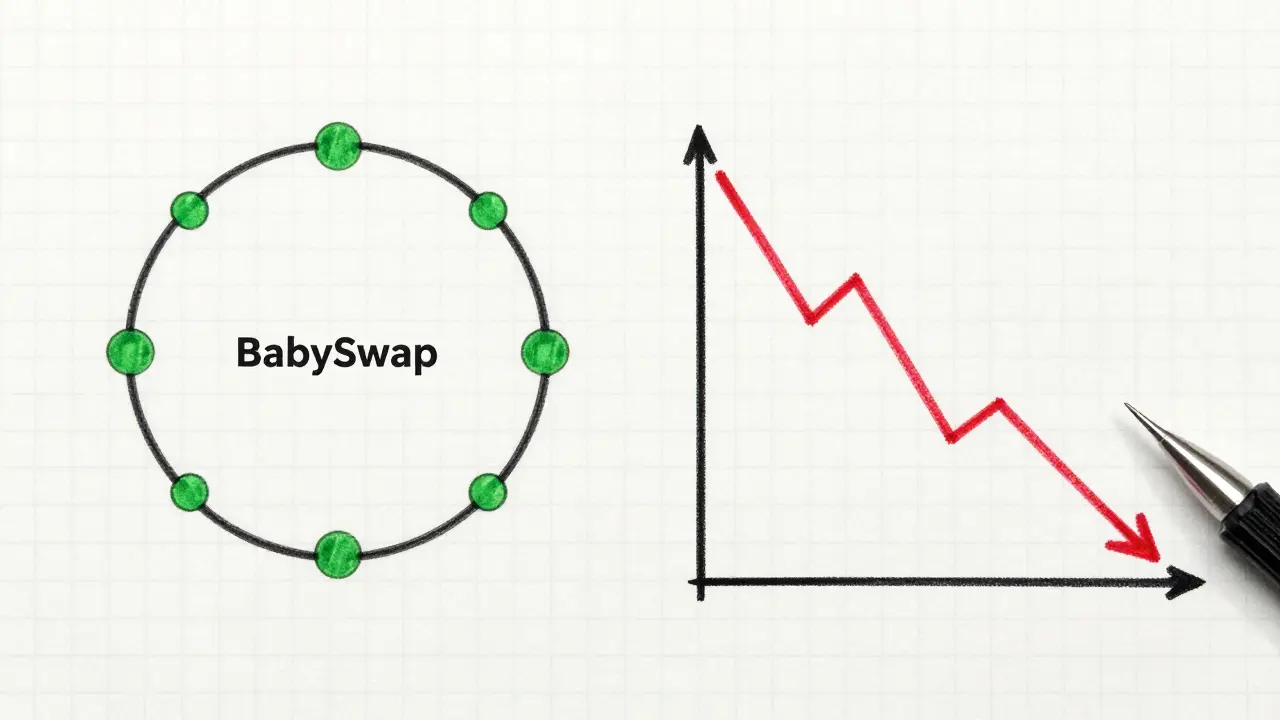
As of mid-2026, both projects continue to operate, but their trajectories differ significantly. BabySwap holds approximately 1.8% of the BSC DEX market share, ranking 7th behind giants like PancakeSwap. Its sustainability relies on executing its roadmap for avatar profiles and GameFi integration. The platform maintains a moderate learning curve, rated 7.8/10 for user-friendliness, with comprehensive tutorials available for its AMM and NFT staking features.
Babylon faces different challenges. Analysts from CoinGecko Research noted concerns about its tokenomics, specifically the 8% annual inflation rate in the first year, which could create downward price pressure. Despite the initial hype, long-term value depends on widespread adoption of its Bitcoin-security infrastructure. Delphi Digital projected potential token value depreciation of 40-60% within the first year unless extraordinary adoption occurs.
For users interested in earning rewards, BabySwap offers legitimate opportunities through its native ecosystem. By staking NFB NFTs in liquidity pools, users can earn higher APRs compared to standard token staking. This is a sustainable model where rewards come from trading fees and protocol revenue, rather than one-time airdrop distributions.
How to Verify Legitimate Airdrops and Avoid Scams
Given the prevalence of fake airdrop campaigns, establishing a verification routine is essential. Here is a checklist to ensure you are interacting with legitimate projects:
- Check Official Channels: Always cross-reference airdrop news with the project’s official Twitter, Discord, or website. Look for blue checkmarks and verified links.
- Verify Contract Addresses: If a token is involved, check its contract address on a block explorer like BscScan. Compare it with the address listed on CoinMarketCap or CoinGecko.
- Beware of Urgency: Scammers often use countdown timers or phrases like "Claim Now Before It Expires" to induce panic. Legitimate airdrops usually have clear, documented timelines and eligibility criteria.
- Never Share Private Keys: No legitimate airdrop will ever ask for your private key or seed phrase. Connecting a wallet is safe if the site is verified, but signing unknown transactions is dangerous.
- Use Revoke.cash: Regularly audit your wallet permissions using tools like revoke.cash to remove access granted to suspicious or unused dApps.
If you encounter a site promising "BabySwap MVBIII" tokens, report it to the BabySwap community moderators immediately. Helping others avoid scams strengthens the entire ecosystem.
Is there an official BabySwap MVBIII airdrop?
No. BabySwap won the Monthly Stars award in the BSC MVBIII program, but this was a recognition of platform performance, not a public token airdrop. Any website claiming otherwise is likely a scam.
What is the difference between BabySwap and Babylon?
BabySwap is a decentralized exchange on BNB Smart Chain focused on AMMs and NFTs. Babylon is a blockchain infrastructure project that uses Bitcoin security. They are separate entities, though both use the "BABY" token symbol.
How can I earn rewards on BabySwap?
You can earn rewards by providing liquidity to trading pairs or staking NFB (Non-Fungible Baby) NFTs in designated pools. These actions generate yields from trading fees and protocol incentives.
Did the Babylon BABY token airdrop already happen?
Yes. The Babylon airdrop registration closed in March 2025, and the token listed on exchanges in April 2025. Eligibility was limited to specific participants like BTC stakers and early contributors.
Are there risks associated with BabySwap?
Like all DeFi platforms, BabySwap carries smart contract risks and impermanent loss for liquidity providers. Users should conduct their own due diligence and start with small amounts to understand the interface.