Have you ever stumbled upon a cryptocurrency that promised to revolutionize decentralized finance but seems to have vanished from the mainstream conversation? That is exactly where Manifold Finance, trading under the ticker FOLD, finds itself today. Launched with high hopes in 2021 as a middleware solution for DeFi scaling, the project has since faced a dramatic decline in market relevance, price stability, and community engagement.
If you are reading this, you might be holding FOLD tokens, considering buying them at a low price, or simply trying to understand why a once-hyped project now sits on the sidelines of the crypto world. This guide cuts through the noise to explain what Manifold Finance actually is, where it stands in July 2026, and whether there is any real value left in the ecosystem.
What Exactly Is Manifold Finance?
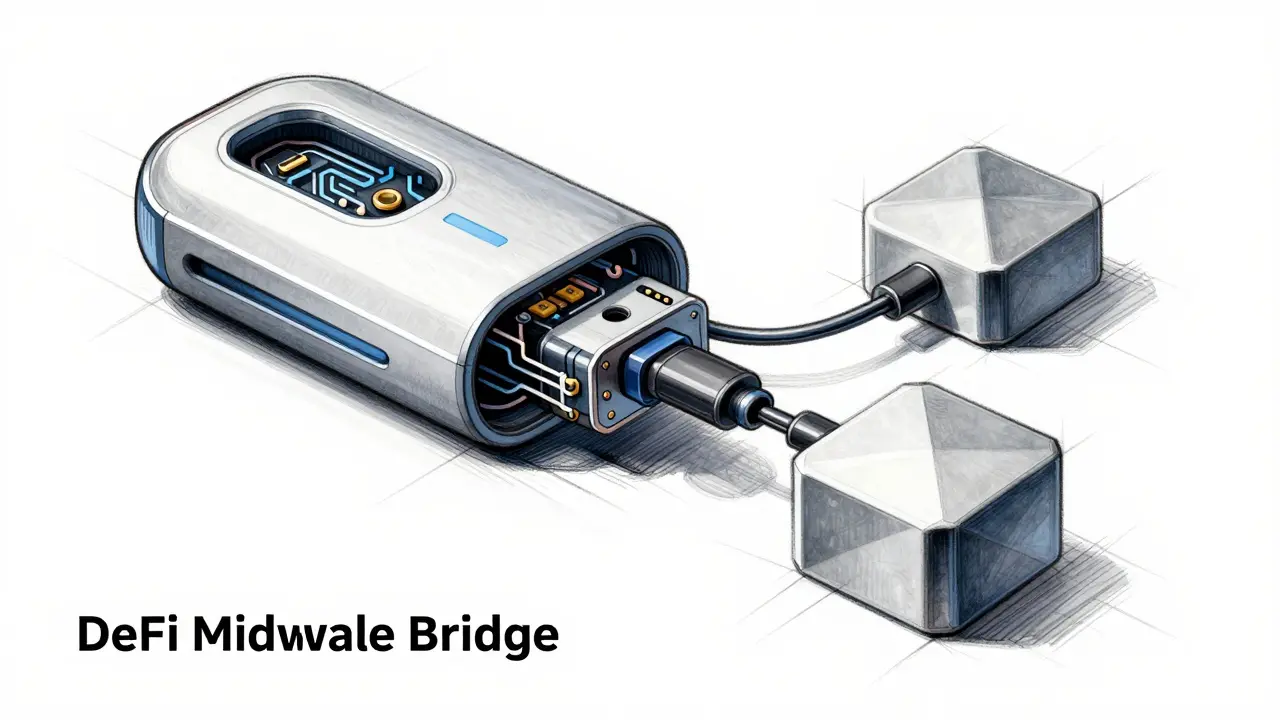
To understand FOLD, we first need to define its intended purpose. Manifold Finance positioned itself as a provider of middleware solutions for decentralized finance applications. In simple terms, middleware acts as the bridge between different blockchain networks and DeFi protocols, allowing them to communicate and scale efficiently. Think of it like the plumbing behind a house: you don't see it, but without it, the water (data and value) doesn't flow.
The project aimed to solve fragmentation issues in the DeFi space by offering tools that help developers build cross-chain applications more easily. However, unlike established competitors such as Chainlink or Band Protocol, Manifold Finance never clearly defined a unique technological advantage. Its documentation remains sparse, and its technical specifications are often described only in broad, vague terms by third-party exchanges.
The Rise and Fall: A Price History Analysis
The story of FOLD is a classic example of extreme volatility in the crypto market. The token launched via an Initial DEX Offering (IDO) on June 1-2, 2021. At that time, the initial price was set at $3.00 per token. The IDO raised $150,000, with only 2.5% of the total supply (50,000 tokens) available to the public. This heavily investor-weighted distribution model meant that early venture capitalists held the vast majority of the supply.
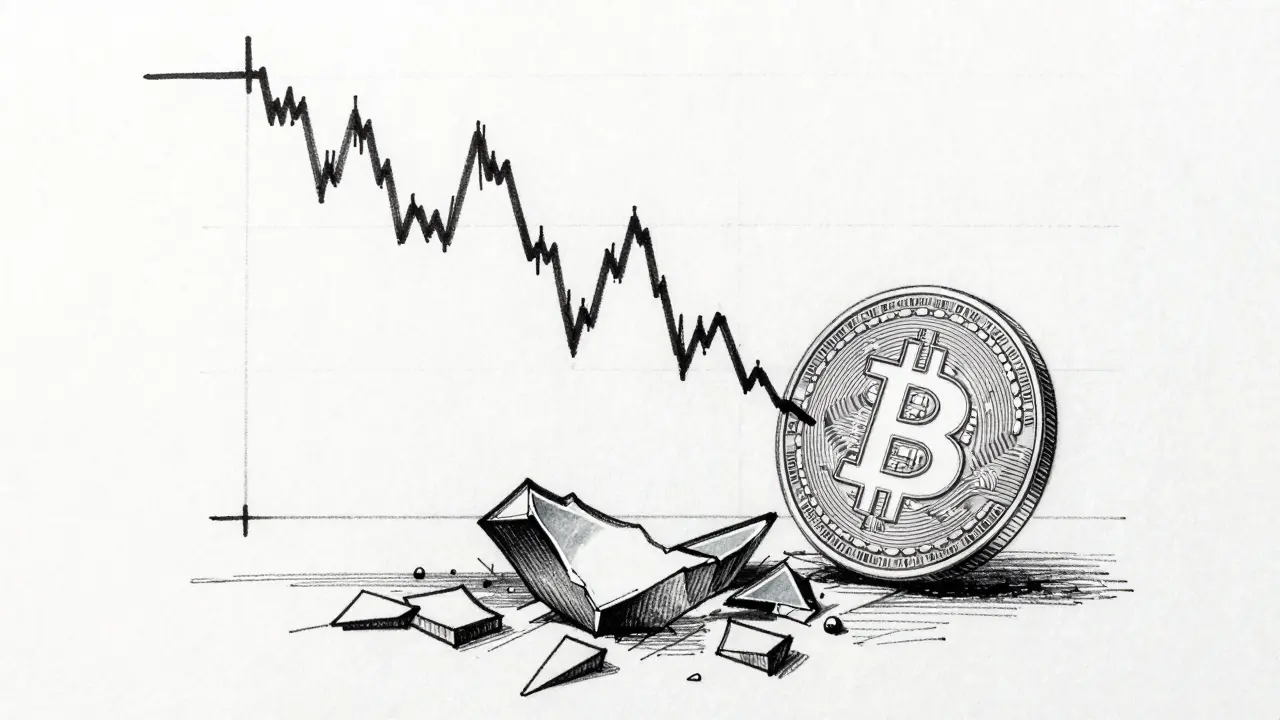
In the months following its launch, FOLD experienced a speculative bubble. It reached an All-Time High (ATH) price of approximately $100.18, representing a massive 33.39x return on investment from its IDO price. This surge attracted attention and likely fueled retail interest. However, the momentum did not last. By mid-2026, the price had collapsed to around $0.876, marking a 99.1% drawdown from its peak and a 70.8% loss from its initial offering price.
| Metric | Value / Detail |
|---|---|
| IDO Launch Date | June 1-2, 2021 |
| Initial Price | $3.00 |
| All-Time High (ATH) | ~$100.18 |
| Current Price (July 2026) | ~$0.876 |
| Total Supply | 2,000,000 FOLD |
| Market Cap | ~$2.65 Million |
| CoinMarketCap Rank | #6831 |
Tokenomics and Distribution Concerns
One of the most critical aspects of any cryptocurrency is its tokenomics-the economic structure governing the token. For Manifold Finance, the distribution raises several red flags for potential investors. The total supply is capped at 2 million FOLD tokens. During the IDO, only 50,000 tokens were sold to the public. This means that 97.5% of the tokens were allocated to private investors, team members, and advisors.
This concentration of ownership creates significant risk. When a small group holds the majority of the supply, they have disproportionate control over the market price. If these early backers decide to sell their holdings, the limited liquidity can cause the price to crash dramatically. This dynamic likely contributed to the severe drawdown seen after the initial hype faded. Furthermore, the Fully Diluted Valuation (FDV) metrics reported by some platforms appear inconsistent, suggesting a lack of transparent financial reporting.
Who Backed Manifold Finance?
Despite its current struggles, Manifold Finance did secure backing from several venture capital firms during its early stages. These investors included:
- Marshland Capital (Lead Investor)
- Ascensive Assets
- Spark Digital Capital
- Moonrock Capital
- Magnus Capital
While having VC backing can signal credibility, it is important to note that many of these firms are tier-2 or tier-3 investors. They often invest in numerous early-stage projects with the expectation that only a few will succeed. The fact that none of these major backers have publicly championed the project in recent years suggests a lack of ongoing institutional support. Additionally, the absence of FOLD on major centralized exchanges like Binance indicates that larger institutions do not view it as a viable asset for listing.
How to Buy FOLD Tokens (And Why You Should Be Cautious)
If you still wish to acquire FOLD tokens, the process is possible but comes with significant risks due to low liquidity. Since FOLD is not listed on major exchanges, you must use decentralized methods. MetaMask provides a step-by-step guide for purchasing FOLD across networks like Ethereum, Solana, and Polygon. Here is how it generally works:
- Set up a non-custodial wallet like MetaMask.
- Add the FOLD token contract address to your wallet to ensure you are adding the correct token.
- Connect your wallet to a decentralized exchange (DEX) or a third-party aggregator.
- Select your payment method (credit card, PayPal, or crypto swap).
- Execute the trade, being mindful of high slippage fees due to low liquidity.
However, buyers should exercise extreme caution. Low-cap tokens like FOLD often suffer from wide bid-ask spreads, meaning you might pay significantly more than the displayed price to buy, and receive much less when you sell. There is also the risk of encountering fake tokens with similar names on decentralized platforms. Always verify the contract address from official sources.
Competitive Landscape: Why FOLD Struggles
The DeFi middleware sector is dominated by established players with strong network effects. Chainlink, for instance, controls approximately 58% of the oracle market share, providing reliable data feeds to thousands of smart contracts. Other competitors like API3 and Band Protocol have also built robust ecosystems with active developer communities.
Manifold Finance lacks comparable market presence. With a market cap of under $3 million, it cannot compete with the multi-billion dollar valuations of its rivals. More importantly, there is little evidence of active adoption. No major DeFi protocols integrate Manifold’s middleware, and there are no reported active users or transaction volumes that would indicate organic growth. Without real-world utility, the token relies solely on speculative trading, which is unsustainable in the long term.
Red Flags and Risk Assessment
Before investing any capital, consider these critical risk factors associated with Manifold Finance:
- Extreme Volatility: The drop from $100 to under $1 represents a near-total loss of value, characteristic of "pump and dump" schemes.
- Lack of Transparency: Technical documentation is scarce, and development updates are infrequent or non-existent.
- No Exchange Listings: Absence from Binance, Coinbase, or Kraken limits accessibility and legitimacy.
- Low Liquidity: Small trading volumes mean large orders can drastically impact the price.
- Concentrated Ownership: Early investors hold the vast majority of tokens, creating sell-side pressure.
Expert analysis from firms like Delphi Digital restricts detailed research on FOLD to paid subscribers, which may suggest that the project does not warrant significant independent scrutiny given its marginal market position. The lack of community engagement on platforms like Reddit or Twitter further isolates the project from the broader crypto ecosystem.
Conclusion: Is FOLD Worth Your Attention?
As of July 2026, Manifold Finance appears to be a relic of the 2021 bull run rather than a viable future technology. While it started with ambitious goals to improve DeFi scalability, it failed to deliver tangible products, attract users, or maintain price stability. The combination of poor tokenomics, lack of institutional support, and absence of real-world utility makes it a high-risk asset.
For most investors, the opportunity cost of holding FOLD is too high. There are far better opportunities in the DeFi middleware space with proven track records and active development. If you are already holding FOLD, carefully evaluate whether the potential for recovery justifies the risk of further depreciation. Remember, in crypto, past performance-especially negative performance-is often the best predictor of future results.
Is Manifold Finance (FOLD) a scam?
There is no definitive legal ruling labeling Manifold Finance as a scam, but it exhibits many characteristics of failed or speculative projects. These include extreme price volatility, lack of transparency, concentrated token ownership, and absence of real-world utility. Investors should treat it with extreme caution.
Where can I buy FOLD tokens?
FOLD is not listed on major centralized exchanges like Binance or Coinbase. You can purchase it through decentralized exchanges (DEXs) or third-party services integrated with wallets like MetaMask. However, liquidity is very low, so expect high fees and slippage.
What is the total supply of FOLD?
The total supply of Manifold Finance (FOLD) is 2,000,000 tokens. Only 50,000 tokens (2.5%) were sold to the public during the IDO, with the remainder allocated to private investors and the team.
Why is FOLD price so low compared to its ATH?
The price dropped from an ATH of ~$100 to under $1 due to a combination of factors: lack of product adoption, heavy selling pressure from early investors, low liquidity, and failure to compete with established middleware providers like Chainlink.
Does Manifold Finance have any real-world use cases?
Currently, there is little evidence of real-world use cases. No major DeFi protocols integrate Manifold’s middleware, and there are no reported active users or transaction volumes. The project remains largely theoretical without demonstrated utility.