US CBDC: What It Is, Why It Matters, and How It Changes Your Money
When we talk about the US CBDC, a digital form of US dollar issued directly by the Federal Reserve. Also known as a digital dollar, it’s not crypto, not PayPal, and not a new app—it’s the government’s version of cash you can hold on your phone. Unlike Bitcoin or stablecoins, a US CBDC isn’t decentralized. It’s backed by the full faith of the U.S. government, just like paper bills—but it’s designed to move instantly, be tracked, and integrate with digital payments.
This isn’t science fiction. The Federal Reserve, the central bank of the United States responsible for monetary policy and financial stability has been testing the idea for years. Countries like China and Sweden are already ahead, running real pilots. The U.S. isn’t moving fast, but it’s moving. Why? Because cash is disappearing. More than 80% of payments are already digital. If the Fed doesn’t offer its own digital dollar, private companies—like Apple Pay, PayPal, or even foreign CBDCs—will fill the gap. That’s a problem for financial sovereignty.
A US CBDC could change how you pay, save, and even get paid. Imagine your paycheck landing in a Fed-backed digital wallet with zero fees. Or stimulus checks arriving in minutes, not weeks. But there’s a flip side. If every transaction is recorded by the government, privacy vanishes. Could they freeze your account if you buy something they disapprove of? Could they limit how much you can spend each month? That’s not speculation—it’s how CBDCs work in authoritarian regimes. The U.S. hasn’t decided its rules yet, but the design choices being discussed right now will lock in those powers for decades.
It’s also tied to bigger shifts. The digital currency, a tokenized form of money issued by a central authority, often used to replace physical cash is reshaping global finance. The euro, yuan, and even Saudi riyal are moving digital. If the U.S. doesn’t keep up, the dollar’s global dominance could weaken. That affects interest rates, inflation, and how much your savings are worth.
What you’ll find here isn’t hype or fearmongering. It’s real analysis from posts that dig into how CBDCs interact with existing systems—like FBAR reporting for foreign crypto accounts, or how central banks in Iran are forcing miners to sell to the state. You’ll see how digital money isn’t just a tech upgrade—it’s a power shift. Whether you’re holding crypto, saving in banks, or just trying to pay your bills, the US CBDC will touch your life. These posts cut through the noise and show you exactly what’s coming—and what you should watch for.
US CBDC Development Halted: Why There Won't Be a Digital Dollar Under Trump
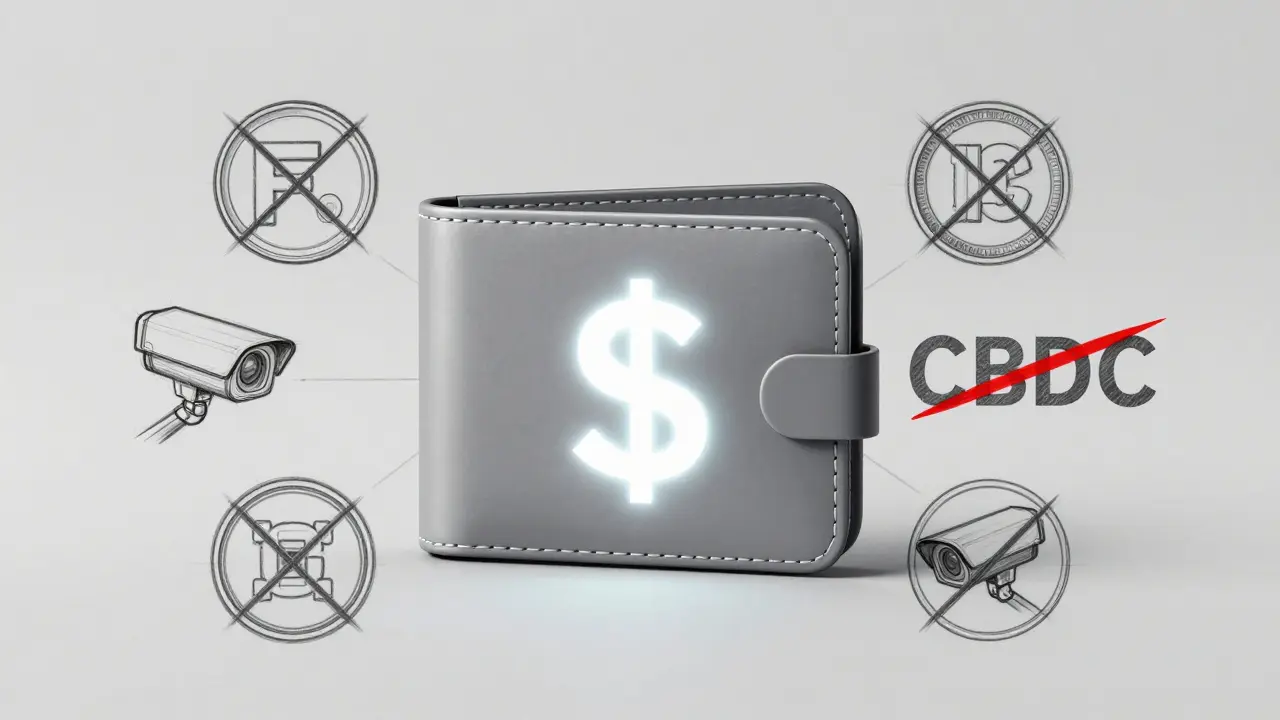
The U.S. has officially halted development of a digital dollar after Executive Order 14178. With no FedCoin in sight, the country is now relying on private stablecoins while the rest of the world moves ahead with central bank digital currencies.
View MoreLatest Posts