Digital Dollar: What It Is, Why It Matters, and How It’s Changing Finance
When people talk about the digital dollar, a central bank digital currency issued by the U.S. Federal Reserve, designed to function as electronic cash equivalent to physical dollars. Also known as CBDC, it’s not Bitcoin, not stablecoins like USDC, and not your bank’s app balance—it’s the government’s own version of digital cash, built to replace or supplement physical bills and coins. The idea isn’t new, but the urgency is. With cash use dropping, payments going mobile, and other countries like China and the EU moving fast, the U.S. can’t afford to wait much longer.
The CBDC, a digital form of a country’s official currency issued and regulated by its central bank. Also known as central bank digital currency, it changes everything. Unlike crypto, it’s not decentralized. There’s no mining, no blockchain public ledger you can browse. It’s controlled by the Fed, just like the dollar in your wallet. But unlike your bank account, where the bank holds your money, a digital dollar would be your direct claim on the U.S. government. That means no intermediary. No risk of bank failure. No delays in payments. And no fees for basic transfers.
Why does this matter to you? Because if the digital dollar rolls out, your paycheck, your taxes, your Social Security—everything—could move through it. It could let you send money instantly to anyone, anywhere, without PayPal or Venmo. It could help the government deliver aid faster during crises. But it also means the government could track every dollar you spend. No anonymity. No privacy. That’s the trade-off.
Right now, the U.S. is still testing. No official launch date. No final design. But the pieces are falling into place. The Federal Reserve is working with MIT, the Treasury is studying privacy rules, and Congress is debating laws. Meanwhile, other countries are already live. China’s digital yuan is in millions of wallets. The digital euro is in pilot mode. And if the U.S. falls behind, it risks losing financial influence globally.
You’ll see this play out in the posts below—not in hype, but in hard facts. You’ll find how CBDCs threaten traditional banking, what the U.S. is actually planning, how foreign governments are using digital money to control their economies, and why regulations like FBAR and AML rules are already adapting to this new reality. Some posts warn about scams pretending to be the digital dollar. Others explain how stablecoins like USDN fit into the bigger picture. And a few show how central banks like Iran’s are using crypto controls to bypass sanctions—hinting at what the U.S. might do next.
This isn’t about crypto speculation. It’s about the future of money—and whether you’ll have any say in how it’s shaped.
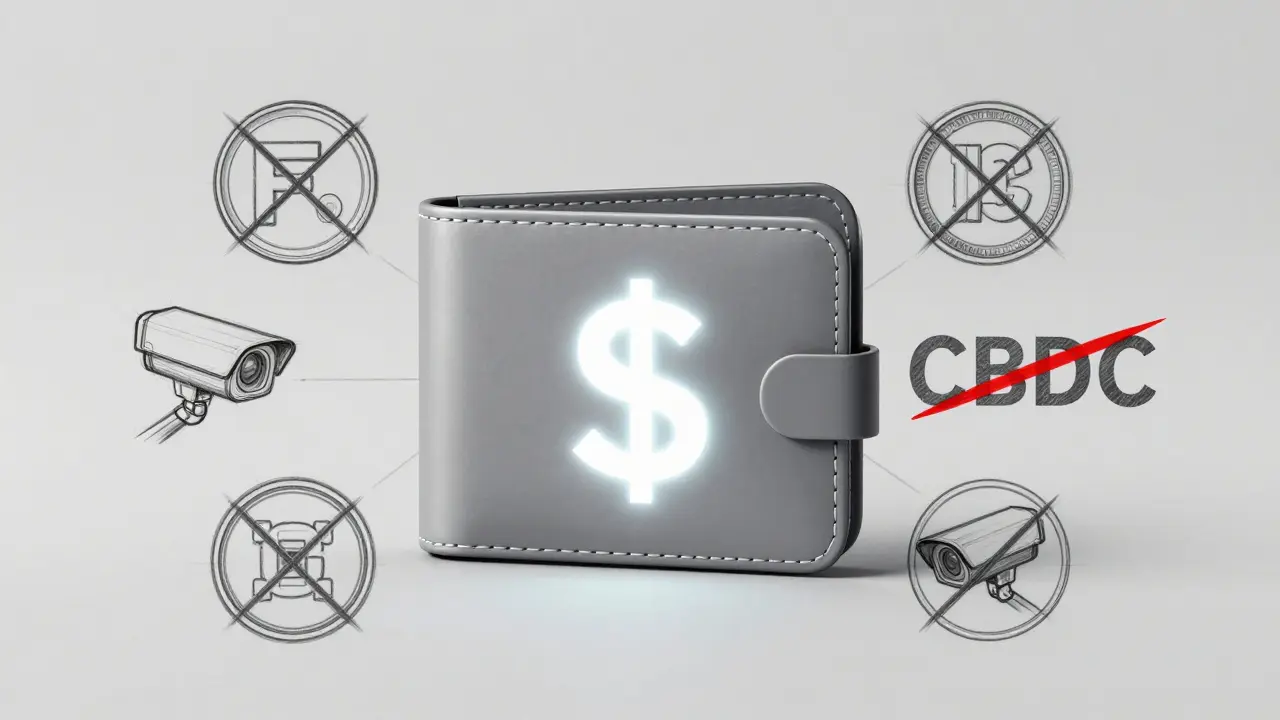
US CBDC Development Halted: Why There Won't Be a Digital Dollar Under Trump
The U.S. has officially halted development of a digital dollar after Executive Order 14178. With no FedCoin in sight, the country is now relying on private stablecoins while the rest of the world moves ahead with central bank digital currencies.
View MoreLatest Posts