Binance Nigeria: What You Need to Know About Using Binance in Nigeria
When you use Binance Nigeria, the Nigerian-facing version of the world’s largest crypto exchange, offering P2P trading, fiat on-ramps, and low fees for local users. Also known as Binance NG, it’s the go-to platform for millions of Nigerians who trade Bitcoin, Ethereum, and stablecoins to protect savings, send money abroad, or start small businesses. Unlike banks that block crypto deposits, Binance Nigeria lets you buy crypto with Naira through peer-to-peer (P2P) trades—no ID required in many cases. That’s why it’s not just popular—it’s essential.
But Binance Nigeria doesn’t operate like Binance US or Binance EU. It’s shaped by Nigeria’s strict banking rules, Central Bank restrictions, and the rise of local alternatives like Paxful and Luno. The Nigerian government has cracked down on crypto-friendly banks, forcing users to rely on P2P platforms where traders set their own rates. That means your Naira-to-Bitcoin price can swing by 5% in a day, depending on demand. You’re not just trading crypto—you’re trading trust, speed, and access to dollars.
Many users don’t realize Binance Nigeria is more than a trading app. It’s a lifeline. People use it to pay for overseas services, send remittances to family, or even buy groceries through crypto-linked merchants. Stablecoins like USDT are the real workhorses here—not Bitcoin. Why? Because they hold value better than the Naira and move faster than banks. And while Binance’s centralized exchange has limits, its P2P marketplace is where the real action happens: thousands of local sellers, hundreds of thousands of buyers, and zero bank interference.
That’s also where the risks live. Scammers pose as Binance agents. Fake deposit screens trick users into sending Naira without getting crypto. And if you’re new, you might not know that Binance Nigeria doesn’t offer direct bank transfers anymore—it’s all P2P. You need to learn how to verify sellers, check trade history, and use escrow properly. This isn’t Wall Street. It’s a fast-moving, unregulated marketplace where your due diligence is your only protection.
What you’ll find below are real reviews, deep dives, and warnings from people who’ve been there. From how to avoid P2P scams to why some Nigerian traders switched to decentralized exchanges like SithSwap or SwapSpace, these posts cut through the noise. You’ll see what works, what doesn’t, and what’s changed since 2023. No fluff. No hype. Just what you need to trade safely and smartly in Nigeria’s crypto landscape—where Binance Nigeria is still the biggest player, but not the only one that matters.
What Crypto Exchanges Are Banned in Nigeria in 2025?
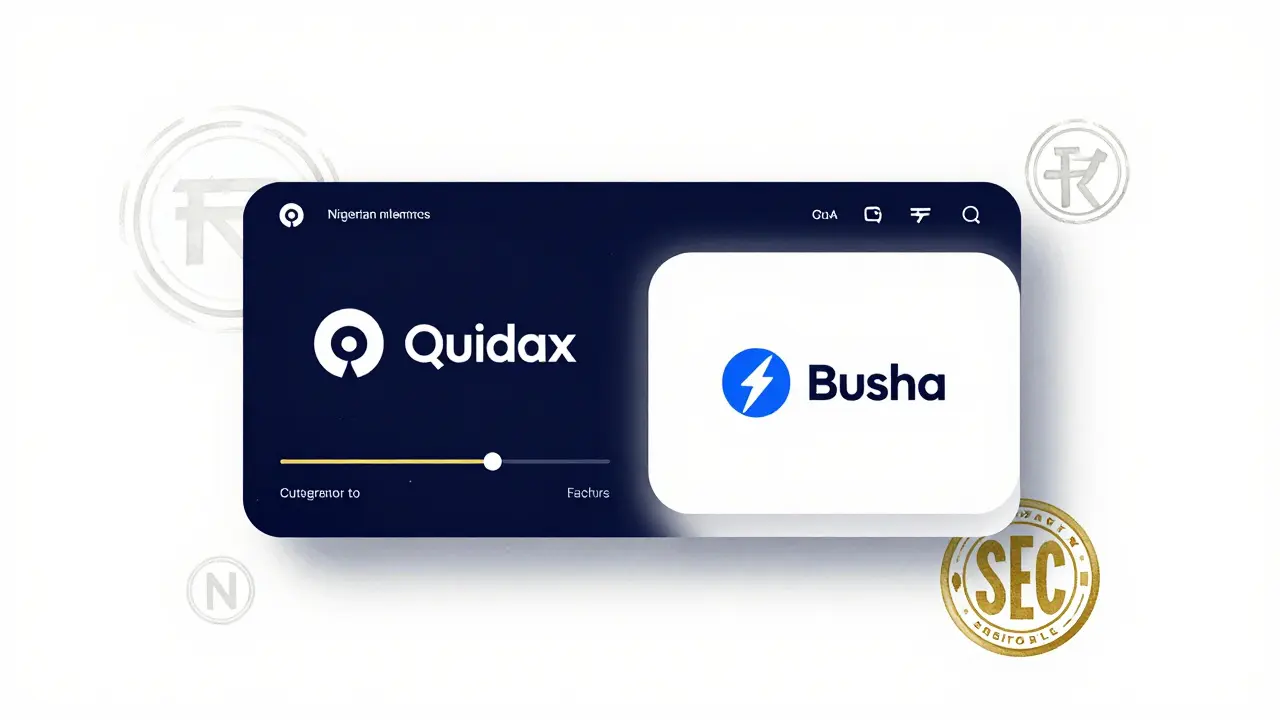
As of 2025, Nigeria doesn't ban crypto exchanges outright-only unlicensed ones. Only Quidax and Busha are approved to offer Naira trading. Binance and others remain accessible but without legal protection.
View MoreLatest Posts