You’ve probably seen the buzz. Someone on Twitter claimed you’re eligible for the SafeLaunch (SFEX) airdrop. Maybe a Discord DM promised free tokens if you just connect your wallet. It sounds too good to be true, right? In the world of crypto, that’s usually a red flag waving at full mast.
I’ve been tracking crypto projects from my desk in Wellington for years, and I’ve learned one hard lesson: if you can’t find clear, official documentation about an airdrop, it likely doesn’t exist-or worse, it’s a trap. When I dug into the specifics of the SafeLaunch SFEX token, the picture wasn’t pretty. The data suggests this isn’t a legitimate opportunity to grab free coins. Instead, it looks like a high-risk scenario where users lose their funds rather than gain them.
The Reality Check: What is SafeLaunch (SFEX)?
Let’s start with the basics. SafeLaunch (SFEX) is a cryptocurrency token associated with a launchpad project called SafeLaunch. On paper, launchpads are platforms that help new crypto projects raise funds and distribute tokens. They sound helpful. But not all launchpads are created equal.
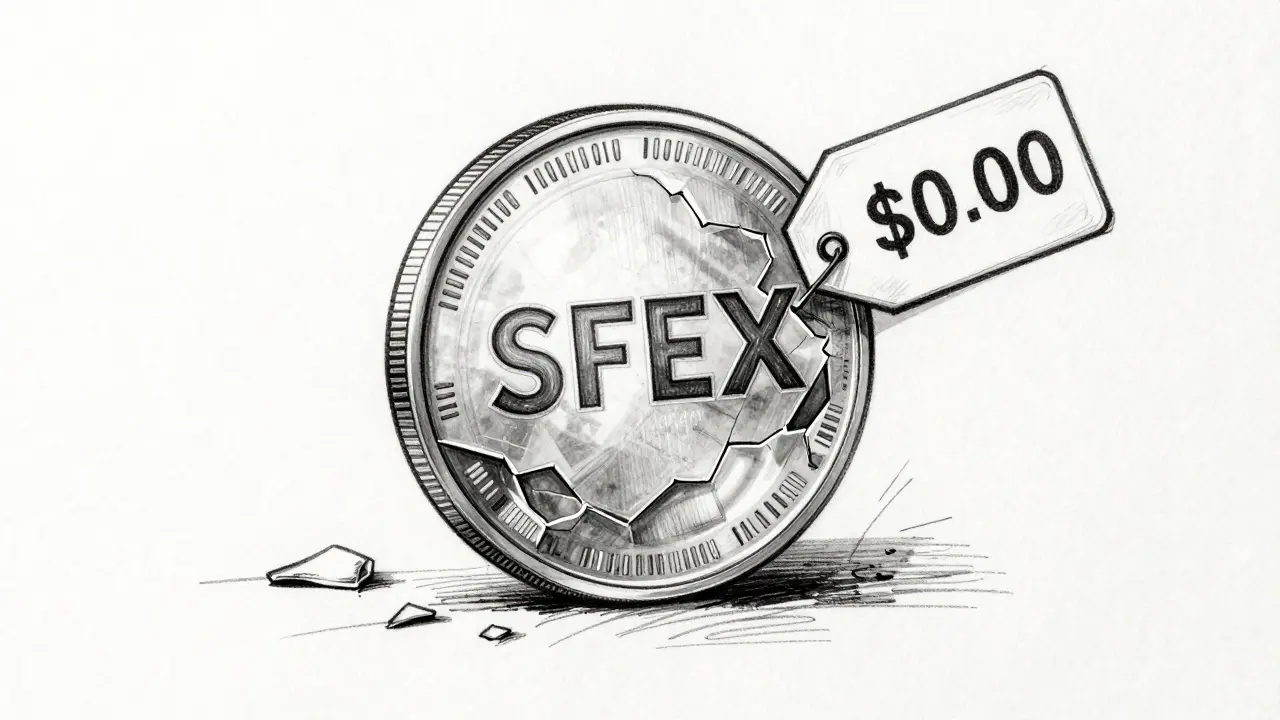
When you check major tracking sites like CoinMarketCap or CoinGecko for the current status of SFEX, the results are stark. The live price is listed as $0 USD. The 24-hour trading volume is also $0 USD. This isn’t just "low liquidity." This means there is effectively no market for this token. No one is buying, no one is selling, and there’s no real economic activity happening around it.
If a project claims to be giving away thousands of dollars worth of SFEX tokens, but those tokens have zero value and no exchange listings, what exactly are they giving you? Nothing. Or perhaps something worse: a digital receipt for a scam.
Why You Should Be Skeptical of the SFEX Airdrop Claims
In 2026, the crypto landscape has matured. Legitimate projects don’t operate in shadows. If a major protocol is launching an airdrop, you’ll see:
- Official announcements on verified social media accounts (with blue checks).
- Detailed blog posts explaining the tokenomics (supply, distribution, vesting schedules).
- Active development repositories on GitHub.
- Coverage in reputable news outlets like Coindesk or Cointelegraph.
For SafeLaunch and the SFEX token, none of these signals are present. There is a significant gap in authoritative information. I searched through industry databases, news archives, and community forums. The result? Silence. This absence of data is deafening. It suggests either that the project is inactive, abandoned, or intentionally avoiding scrutiny.
Compare this to established projects. Take the SAFE token from Safe Global, for example. Their airdrop was transparent. They published a whitepaper detailing a maximum supply of 1 billion tokens, with specific allocations for airdrops (5% or 50 million tokens). They had clear vesting mechanisms. You could verify every step. With SFEX, you’re flying blind.
How Crypto Airdrop Scams Actually Work
Since the legitimate SFEX airdrop appears non-existent, why are people talking about it? Because scammers are actively promoting it. Here is the typical playbook used by bad actors targeting unsuspecting users:
- The Hook: You receive a message claiming you’re eligible for a massive airdrop. It creates urgency: "Claim within 24 hours or lose out!"
- The Fake Site: You’re directed to a website that looks professional but has subtle typos or slightly altered URLs (e.g., safe-launch-official.com instead of safelaunch.io).
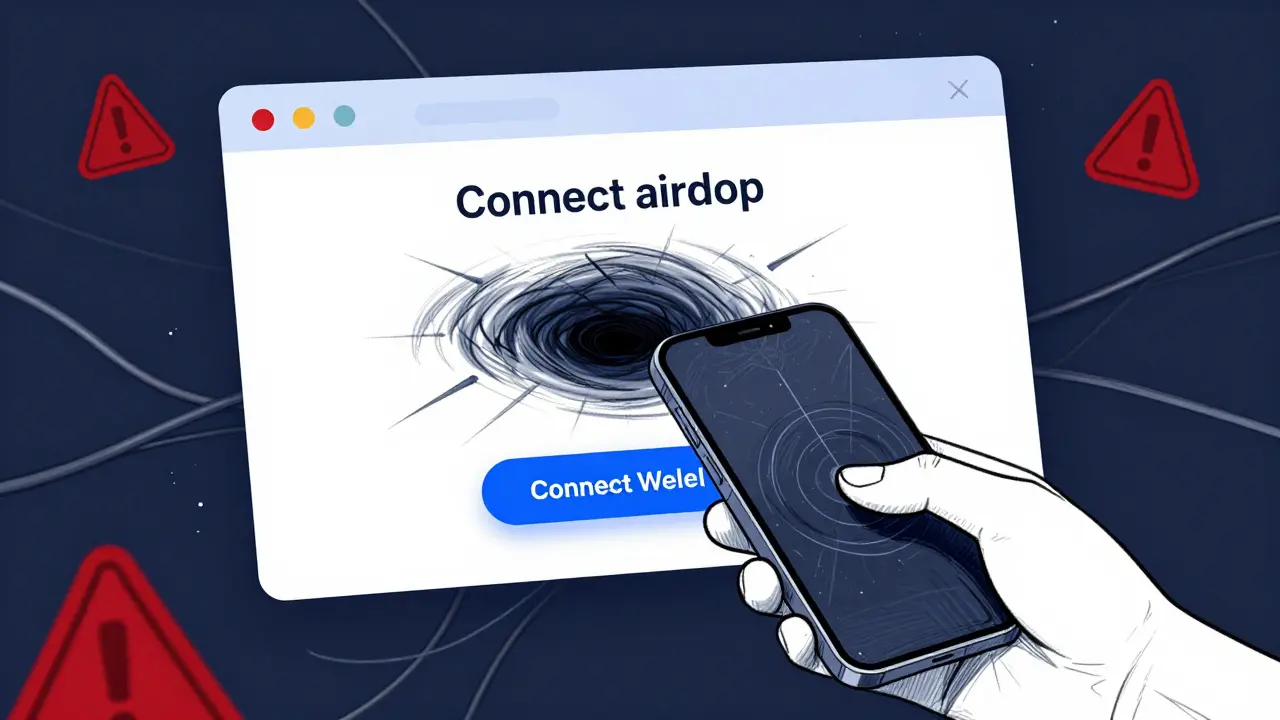
- The Wallet Connection: To "claim" your tokens, you must connect your Web3 wallet (like MetaMask or Phantom).
- The Malicious Contract: Once connected, the site asks you to sign a transaction. It might say "Approve Gas Fee" or "Verify Identity." In reality, you are signing a smart contract that grants the scammer unlimited access to your wallet.
- The Drain: Within seconds, the scammer drains your wallet of ETH, SOL, USDT, or any other assets you hold. The "free" SFEX tokens you received are worthless dust, but your real money is gone.
This isn’t theoretical. Security firms report that malicious smart contracts and NFT airdrops dominate security incidents on Ethereum, Solana, and BNB Smart Chain. Tools like Trezor Suite now have features specifically to blur and hide these scam tokens because they are so common.
Red Flags: How to Spot a Fake Airdrop
Before you click any link related to SafeLaunch or any other unknown token, run it through this checklist. If you hit even one red flag, walk away immediately.
| Red Flag | What It Means | Action |
|---|---|---|
| No Official Announcement | The project’s main website or verified Twitter account hasn’t mentioned the airdrop. | Do not participate. Check official channels only. |
| Unsolicited DMs | You got a direct message on Discord, Telegram, or Twitter about being "selected." d> | Block and report. Legitimate projects never DM random users. |
| Request for Private Keys | The site asks for your seed phrase or private key. | NEVER do this. This is instant theft. |
| Unknown Token in Wallet | You suddenly see SFEX or similar tokens in your wallet without interacting. | Ignore it. Do not try to sell or swap it. Use a tool to hide it. |
| Urgency Tactics | "Claim now or lose forever!" Pressure prevents you from thinking clearly. | Pause. Research. Verify. Scammers rely on FOMO. |
Safer Alternatives: Legitimate Airdrops in 2026
If you’re interested in earning crypto through airdrops, there are safer, more transparent ways to do it. The trend in 2026 has shifted towards "point systems" and verifiable on-chain activity. Projects reward users who actually use their protocols, provide liquidity, or stake assets-not just those who retweet a post.
Look for projects with strong fundamentals and active communities. For instance, networks like Monad, Abstract, and Eclipse have been building robust ecosystems. While specific airdrop dates may vary, participating in their testnets or using their mainnet applications is a legitimate way to potentially qualify for future rewards. These projects publish regular updates, have known teams, and list their tokens on major exchanges.
Another example is EigenLayer, which introduced restaking. Users who lock up ETH to secure additional services earn points that often translate to token distributions. This requires capital and technical understanding, but it’s transparent and auditable. You know exactly what you’re doing and what the risks are.
Protecting Your Wallet: Essential Security Steps
Given the prevalence of scams like the fake SafeLaunch airdrop, protecting your digital assets is non-negotiable. Here are practical steps to keep your crypto safe:
- Use a Hardware Wallet: Keep your long-term holdings on a Ledger or Trezor. Never connect your hardware wallet to unverified websites.
- Revoke Permissions Regularly: Use tools like Revoke.cash to check which smart contracts have access to your wallet. If you see an old or unknown approval, revoke it immediately.
- Enable Whitelisting: Some wallets allow you to whitelist specific addresses. Only send funds to addresses you trust.
- Ignore Unexpected Tokens: If you see a strange token in your wallet, do not interact with it. Selling it often triggers the malicious contract. Use portfolio trackers that filter out spam tokens.
- Verify URLs: Always bookmark official project sites. Double-check spelling. Phishing sites are clever, but they rarely get the URL 100% right.
Conclusion: Stay Safe, Stay Skeptical
The SafeLaunch (SFEX) airdrop lacks the transparency, market presence, and official documentation required to be considered legitimate. With a $0 price and $0 volume, the token holds no real value. More importantly, engaging with unofficial sources claiming to distribute SFEX poses a severe risk to your financial security.
In crypto, if it seems too good to be true, it almost certainly is. Focus on projects with clear roadmaps, active development, and verifiable metrics. Protect your wallet, question unsolicited offers, and never rush into a transaction. Your peace of mind-and your funds-are worth more than any hypothetical free token.
Is the SafeLaunch (SFEX) airdrop real?
There is no credible evidence that a legitimate SafeLaunch (SFEX) airdrop exists. The token has a $0 price and $0 trading volume, and there are no official announcements from verified project channels. Claims of an airdrop are likely scams designed to steal your crypto.
What should I do if I received SFEX tokens in my wallet?
Do nothing. Do not try to sell, swap, or transfer the tokens. Interacting with them may trigger a malicious smart contract that drains your wallet. Use your wallet’s settings to hide the token from view, and monitor your other assets for unauthorized transactions.
How can I verify if a crypto airdrop is legitimate?
Check the project’s official website and verified social media accounts for announcements. Look for detailed tokenomics, team information, and coverage in reputable news outlets. Legitimate projects never contact users via unsolicited DMs to offer free tokens.
Can connecting my wallet to a fake airdrop site steal my funds?
Yes. Many fake airdrop sites ask you to sign a transaction that approves unlimited spending of your tokens. Once signed, the attacker can drain your wallet. Always verify the URL and never sign transactions from untrusted sources.
What are some safer alternatives to speculative airdrops?
Consider participating in testnets of established Layer 1 or Layer 2 projects, providing liquidity to reputable DeFi protocols, or staking assets on platforms with transparent point systems like EigenLayer. These methods involve real usage and carry lower risk than chasing unknown token drops.