Imagine you’ve held onto your Bitcoin for years, watching it grow while navigating the chaotic regulatory shifts in India. Now, you’re planning to move those assets to an exchange in Singapore or the US. It sounds simple enough: click send, wait a few minutes, and you’re done. But in India’s current legal landscape, that single click can trigger a cascade of compliance checks, tax notifications, and potential freezes if you haven’t prepared correctly.
As of mid-2026, moving Virtual Digital Assets is legal but heavily monitored under strict tax and foreign exchange laws from India is less about blockchain technology and more about bureaucratic navigation. The government treats these assets as taxable property, not currency, which fundamentally changes how you must handle cross-border transfers. One wrong step-like missing a disclosure form or ignoring a new reporting threshold-can lead to penalties far exceeding the value of the transaction itself.
The Current Status of Crypto in India
To understand where you stand, you first need to know what the law actually says. Cryptocurrencies are legally recognized as Virtual Digital Assets (VDAs) under the Income Tax Act. This means they exist, you can own them, and you can trade them. However, they are not legal tender. You cannot use Bitcoin to pay for groceries or settle debts officially.
This distinction matters because it dictates the regulatory framework. Since they aren't money, they fall under capital gains taxation rather than monetary policy controls. Yet, because they involve digital value crossing borders, they also touch upon foreign exchange regulations managed by the Reserve Bank of India (RBI). This dual oversight creates a complex web where both the taxman and the central bank have a say in your transactions.
India currently hosts over 107 million crypto users, making it one of the largest markets globally by user count. Despite this massive adoption, the regulatory environment remains cautious. The government has moved away from the outright bans of the past, opting instead for a "tax and trace" strategy. They want to ensure every rupee earned from crypto is taxed, and every movement of assets is tracked.
Tax Implications: The Heavy Cost of Moving Assets
The most immediate hurdle when moving crypto abroad is the tax bill. India imposes a flat 30% tax on capital gains from VDAs. Unlike traditional investments like stocks, you cannot offset losses against profits. If you sold some Ethereum at a loss last year and Bitcoin at a profit this year, that loss doesn’t help reduce your tax liability on the Bitcoin gain. You pay the full 30% on the net profit.
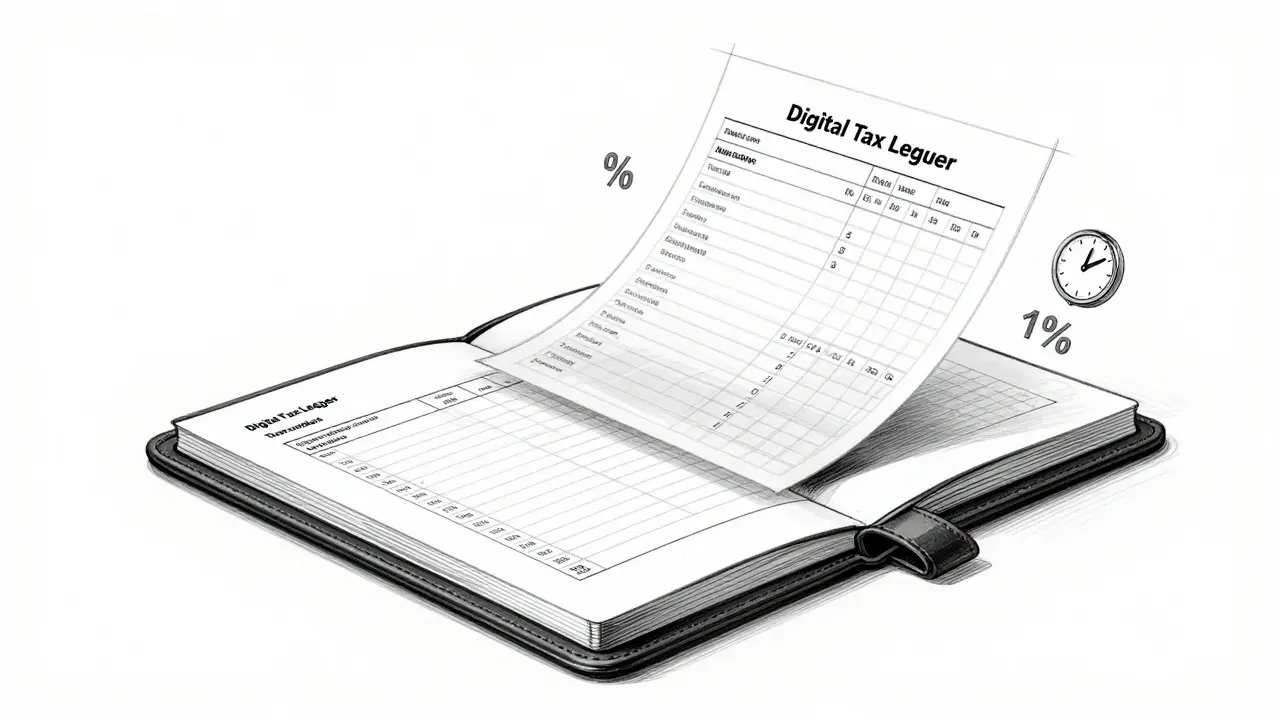
On top of that, there is a 1% Tax Deducted at Source (TDS) on all transactions exceeding ₹50,000 per financial year. This isn't just a suggestion; exchanges are mandated to deduct this before processing your withdrawal or trade. For large holders, this eats into liquidity significantly. Additionally, the Goods and Services Tax (GST) applies to various services provided by exchanges, including withdrawals and trading fees, adding another layer of cost.
When you move assets abroad, the valuation timing is critical. According to Central Board of Direct Taxes (CBDT) Circular No. 18/2025, you must value your crypto in Indian Rupees at the exact time of transfer using the RBI-published exchange rate. If the market swings wildly during the day, the specific timestamp of your transaction determines your taxable income. Keeping precise records of these timestamps is not optional; it’s essential for defending your returns later.
| Metric | Value/Rule | Impact on Cross-Border Transfer |
|---|---|---|
| Capital Gains Tax | Flat 30% | High cost basis; no loss offset allowed |
| TDS Threshold | ₹50,000/year | 1% deducted automatically on larger moves |
| GST Applicability | 18% on services | Increases effective cost of withdrawals/trading |
| Valuation Method | RBI Rate at Transfer Time | Requires precise timestamp tracking |
FEMA Regulations and Cross-Border Limits
Taxes are only half the battle. The other half is the Foreign Exchange Management Act (FEMA). The RBI treats crypto transfers as "current account transactions," which generally allow for freer flow compared to "capital account" transactions. However, recent amendments have tightened the screws.
If you are moving significant amounts, you need to be aware of the Liberalised Remittance Scheme (LRS). While LRS allows residents to remit up to $250,000 annually for permissible current and capital account transactions, crypto falls into a gray area regarding its classification. The Finance Ministry’s Notification No. 56/2025 mandates that Indian residents obtain prior approval from authorized dealer banks for crypto transfers exceeding certain thresholds, treating VDAs as "intangible movable property."
In practice, this means your bank might ask for extensive documentation before allowing the fiat equivalent to leave the country to buy crypto abroad, or they may flag incoming crypto-related communications. Many users report that banks are hesitant to process transactions linked to known offshore exchanges due to fear of non-compliance penalties. Always check with your bank’s foreign exchange desk before initiating large transfers.
The FATF Travel Rule: Transparency is Mandatory
Gone are the days of anonymous crypto transfers. India has implemented the Financial Action Task Force (FATF) Travel Rule without a minimum threshold. This is stricter than many Western jurisdictions, which often exempt small transactions. In India, every cross-border crypto transfer requires the sender and receiver details to be shared between the originating and destination Virtual Asset Service Providers (VASPs).
Your Indian exchange must collect and transmit your full name, account number, physical address, and national identification number to the receiving exchange abroad. If either exchange fails to comply, the transaction is likely to be rejected or frozen. This rule ensures that the trail of funds is visible to regulators in real-time. It also means that privacy-focused coins or mixers are effectively unusable for compliant cross-border moves from India.
Compliance Checklist for Safe Transfers
To minimize the risk of frozen accounts or tax notices, follow this structured approach:
- Link PAN and Aadhaar: Ensure your Permanent Account Number (PAN) is linked to your Aadhaar card. Unlinked PANs face freezing of trading accounts.
- Maintain Transaction Records: Keep detailed logs of every buy, sell, and transfer. Include timestamps, prices in INR, and gas fees. These are vital for calculating capital gains accurately.
- Disclose Foreign Holdings: When filing your Income Tax Return (ITR), use Schedule VDA in ITR-2 or ITR-3 forms to declare all crypto holdings, including those stored in wallets abroad. Non-disclosure can attract a 60% penalty under Section 158B.
- Verify Exchange Compliance: Only use exchanges registered with the Financial Intelligence Unit-India (FIU-IND). Offshore platforms like Binance or KuCoin have faced enforcement actions; using unregistered platforms risks being cut off from the banking system entirely.
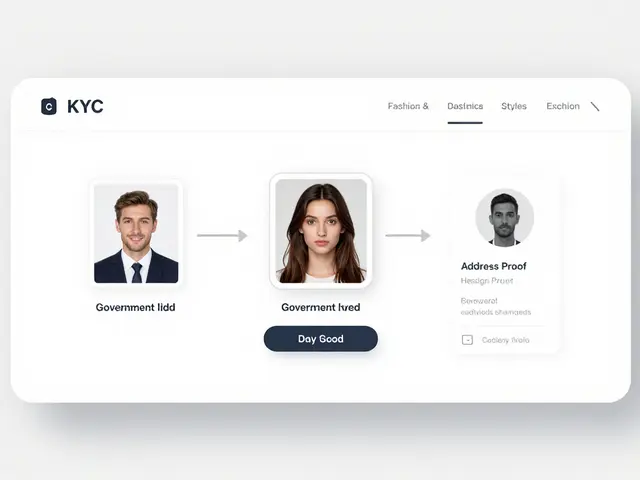
- Check KYC Requirements: Complete enhanced KYC on both the sending and receiving exchanges. Expect delays as exchanges verify identity documents to meet FATF standards.

Recent Enforcement Actions and Market Shifts
The regulatory tone has shifted from observation to enforcement. In mid-2025, the Enforcement Directorate issued notices to dozens of offshore platforms, demanding strict adherence to Indian KYC norms. Platforms that failed to comply faced IP blocking and payment gateway restrictions. This has led to a consolidation in the market, with smaller domestic exchanges shutting down or merging to afford the high costs of compliance.
User experiences reflect this tightening. Surveys indicate that nearly 70% of users attempting cross-border transfers have encountered delays or freezes due to documentation requests. Common issues include difficulties obtaining bank certifications for FEMA compliance and challenges in valuing assets across different time zones. The key takeaway? Speed is secondary to accuracy. Rushing a transfer without proper documentation is the fastest way to get stuck.
Future Outlook: What’s Coming Next?
Looking ahead, India is preparing for peer reviews by global bodies like the Financial Stability Board (FSB). This will likely drive further alignment with international standards, such as the Crypto-Asset Reporting Framework (CARF). Expect automatic exchange of tax information on crypto transactions with other countries, reducing the ability to hide assets overseas.
While comprehensive legislation is still pending, the trend is clear: increased transparency, higher compliance costs, and stricter enforcement. For individuals looking to move assets abroad, the window for informal or unchecked transfers is closing. Professional advice from a tax consultant specializing in VDAs is no longer a luxury-it’s a necessity.
Is it legal to move crypto from India to another country?
Yes, it is legal to move crypto assets abroad from India, provided you comply with tax laws and FEMA regulations. You must disclose the transaction, pay applicable capital gains tax, and ensure the exchanges involved adhere to the FATF Travel Rule for transparency.
What happens if I don't declare my foreign crypto holdings?
Failure to declare foreign crypto holdings in your Income Tax Return can result in severe penalties. Under Section 158B, undisclosed VDAs can attract a penalty of up to 60% of the asset's value, along with potential criminal prosecution for tax evasion.
Do I need bank approval to send crypto abroad?
For large transfers, yes. Under recent Finance Ministry notifications, transfers exceeding specific thresholds may require prior approval from authorized dealer banks under FEMA. Banks treat crypto as intangible movable property and may request extensive documentation to ensure compliance.
Which exchanges are safe for cross-border transfers from India?
Only use exchanges registered with the Financial Intelligence Unit-India (FIU-IND). Unregistered offshore platforms face blocking risks. Popular compliant options include WazirX, CoinDCX, and other major Indian entities that have integrated robust KYC and travel rule compliance systems.
How is the tax calculated when moving crypto abroad?
Tax is calculated based on the capital gain realized. You must value the crypto in Indian Rupees at the time of transfer using the RBI exchange rate. A flat 30% tax is applied to the profit, plus a 1% TDS if the annual turnover exceeds ₹50,000. Losses from previous years cannot be offset against these gains.