Before 2024, owning or trading cryptocurrency in Bolivia was illegal. If you were caught buying Bitcoin or sending Ethereum, you could face serious consequences - fines, account freezes, even criminal charges. But that changed. In June 2024, Bolivia didn’t just ease its rules - it completely flipped its stance. Now, crypto isn’t banned. But it’s not free either. The penalties aren’t what you might expect. They don’t target people who use crypto. They target people who use it the wrong way.
What’s Legal Now? (And What’s Not)
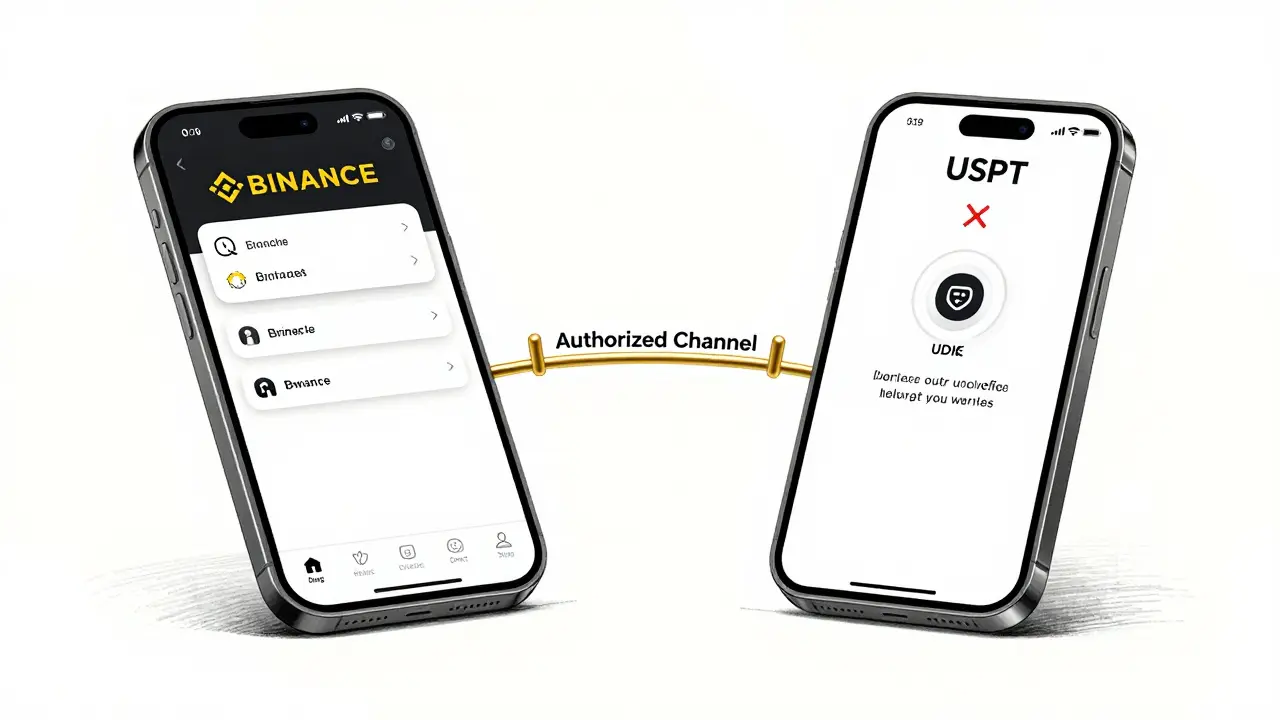
You can legally own Bitcoin, Ethereum, or any other cryptocurrency in Bolivia. You can trade it. You can hold it. You can even use stablecoins like USDT or USDC to pay for services - but only if you do it through a licensed bank or an approved electronic payment system. That’s the catch. The government doesn’t care if you have crypto. It cares if you move it outside the system they control.
Cryptocurrencies are not legal tender. You can’t walk into a grocery store and pay with Bitcoin. The boliviano is still the only official currency. But if you’re a business and you want to pay your employees or settle invoices using USDT? Fine - as long as the transaction goes through Banco Bisa, BCP, or another bank that’s been authorized by the Central Bank of Bolivia (BCB).
Individuals? You’re mostly free to trade on platforms like Binance or Kraken. But if you send crypto directly to another person’s wallet outside the banking system - say, from your Binance account to a friend’s MetaMask - you’re stepping into a gray zone. That’s where penalties start.
Who’s Watching You?
Bolivia’s crypto rules aren’t enforced by police raids. They’re enforced by banks. Every single transaction involving crypto must be reported daily by licensed financial institutions. Banks are required to check every transfer against international sanctions lists. If someone on a U.S. Treasury watchlist tries to receive crypto in Bolivia, the bank flags it. If a transaction looks unusual - large sums, frequent transfers, no clear business purpose - it gets reported to the Financial Investigations Unit.
The Central Bank of Bolivia (BCB) runs the show. But they’re not alone. The Financial System Supervisory Authority (ASFI) audits institutions. The Financial Investigations Unit digs into suspicious activity. And together, they’ve built a monitoring network that’s tighter than most people realize. You don’t need to be a criminal to get flagged. Just careless.
What Happens If You Break the Rules?
There’s no public list of fines. No fixed penalty amount like “$5,000 for unlicensed trading.” Instead, enforcement is case-by-case. But here’s what you can expect if you bypass the authorized channels:
- Bank account freezes - If your bank detects repeated off-system transfers, they can lock your account until you explain the activity.
- Reporting to authorities - Your transaction history may be sent to ASFI or the Financial Investigations Unit for review.
- Fines - While exact amounts aren’t published, penalties are applied under existing financial crime laws. These can range from thousands to tens of thousands of bolivianos.
- Business sanctions - If you’re a company using crypto to pay invoices without going through a licensed bank, you could lose your business license.
It’s not about owning crypto. It’s about avoiding oversight. The government doesn’t want you hiding money. They want to track it.
Taxes: No Capital Gains, But Business Profits Are Taxed
If you’re just buying and selling crypto for yourself? Good news. Bolivia doesn’t tax capital gains for individuals. You can trade Bitcoin all year and owe zero tax on your profits.
But if you’re mining, staking, or running a crypto-related business? That’s different. All profits from commercial crypto activities are subject to a 25% corporate income tax. This includes:
- Running a mining operation
- Operating a crypto exchange or wallet service
- Using crypto to earn interest through staking as part of your business
Failure to report these earnings can lead to tax audits, penalties, and back taxes - not because you used crypto, but because you didn’t declare income. The tax authority doesn’t care if your income came from Ethereum. They care if you didn’t report it.
Who’s Using Crypto in Bolivia?
Eighty-six percent of all crypto transactions in Bolivia come from individual users - not businesses. Three out of four of those users are men, mostly between 20 and 40 years old. The most popular coins? Stablecoins. Specifically, Tether (USDT). Why? Because it’s stable. It doesn’t swing like Bitcoin. And it’s the only one widely accepted through licensed banks.
Platforms like Binance dominate the market. But users aren’t trading directly from Binance to their personal wallets anymore. Most are using bank-integrated services. Banco Bisa launched its USDT custody service in October 2024. Now, you can buy, sell, and hold USDT directly through your bank app. It’s like using mobile banking - but for crypto.
Transaction volume has exploded. In early 2024, total crypto activity in Bolivia was $46.5 million. By mid-2025, it hit $294 million. That’s a 630% jump in just over a year. The system is working - if you follow the rules.
Why Did Bolivia Change Its Mind?
Bolivia banned crypto in 2014 to protect the boliviano and stop money laundering. But the ban didn’t stop crypto. It just drove it underground. People still traded. They just did it in secret. That made oversight harder. It also made scams easier.
In 2024, regulators realized: you can’t stop technology. But you can control how it’s used. So they created a system where crypto flows through banks - not around them. This gives them visibility. It lets them track suspicious activity. It protects consumers from fraud. And it lets people use crypto without fear of punishment - as long as they play by the new rules.
Bolivia even signed a deal with El Salvador to share regulatory tools. El Salvador uses Bitcoin as legal tender. Bolivia uses stablecoins through banks. They’re on opposite ends of the spectrum. But both want to make crypto safe. And both want to stop criminals.
What Should You Do?
If you’re in Bolivia and you want to trade crypto:
- Use only licensed banks or approved payment platforms - like Banco Bisa’s USDT service.
- Never send crypto directly between wallets outside the banking system.
- Report any business income from mining or staking - even if you think it’s small.
- Don’t assume anonymity. Banks report everything.
- Stay updated. Rules are still evolving. The Central Bank releases new guidelines every few months.
There’s no need to hide. There’s no need to risk it. The path is clear: use the system, not around it.
Is it illegal to own Bitcoin in Bolivia in 2026?
No, it’s not illegal to own Bitcoin or any other cryptocurrency in Bolivia. Since June 2024, the Central Bank lifted its 10-year ban. You can hold, buy, and sell crypto without legal risk - as long as you don’t use it to bypass authorized financial channels.
Can I use USDT to pay for goods in Bolivia?
Yes, but only through licensed banks or approved electronic payment systems. You can’t hand someone USDT as cash. But if your employer uses a bank that supports USDT, they can pay your salary in stablecoins. Businesses can settle invoices with USDT - but only if the transaction is processed through a regulated financial institution.
Are there fines for trading crypto on Binance from Bolivia?
Trading on Binance itself isn’t illegal. But if you withdraw crypto from Binance to a personal wallet and then send it to someone outside the banking system, you could trigger regulatory scrutiny. The penalty isn’t for using Binance - it’s for moving money without oversight. Banks monitor all incoming and outgoing crypto transfers and report suspicious activity.
Do I have to pay tax on crypto profits in Bolivia?
Individual traders don’t pay capital gains tax. If you buy Bitcoin and sell it later for a profit, you owe nothing. But if you’re mining, staking, or running a crypto business, those profits are taxable at 25% corporate income tax. The key difference is whether the activity is personal or commercial.
What happens if I send crypto to a friend without using a bank?
If you send crypto directly from your wallet to someone else’s - outside the banking system - you risk being flagged by financial regulators. While it’s not automatically illegal, it triggers mandatory reporting by banks. You may be asked to prove the source of funds. Repeated behavior can lead to account freezes or fines under financial crime laws.
Is mining crypto legal in Bolivia?
Yes, but only if you report the income. Mining crypto isn’t banned. However, any profits from mining - including electricity costs and hardware depreciation - are considered business income. That means you must declare those earnings and pay 25% corporate income tax. Failure to report can result in tax penalties and audits.
Can I open a crypto account at a Bolivian bank?
Yes. Several major banks, including Banco Bisa and BCP, now offer crypto custody services - primarily for stablecoins like USDT. You can buy, hold, and sell these assets directly through your bank’s app. These services are fully regulated and monitored by the Central Bank of Bolivia.




Dominic Taylor
25 March, 2026 . 16:30 PM
Let me break this down in plain terms: Bolivia’s crypto framework is essentially a permissioned blockchain for fiat-backed stablecoins. The BCB’s regulatory sandbox isn’t just compliance-it’s architectural control. You’re not banned from crypto; you’re gated into a KYC-AML pipeline where every on-ramp and off-ramp is monitored via API hooks with licensed banks. It’s not surveillance-it’s infrastructure. And honestly? It’s the only sane model for emerging markets trying to avoid the chaos of unregulated DeFi.
The 630% growth spike? That’s not speculation-it’s institutional adoption. When Banco Bisa integrated USDT custody, they didn’t just add a feature-they built a bridge between the informal economy and formal finance. People aren’t using crypto to evade the system. They’re using it to *enter* it.
And let’s not romanticize ‘anonymity.’ If you think sending USDT from Binance to MetaMask is private, you’re operating on 2017-era assumptions. Bolivia’s banks report transaction metadata to ASFI in real-time: IP geolocation, device fingerprinting, counterparty wallet clustering. It’s not Bitcoin. It’s regulated tokenized fiat with extra steps.
Andy Green
26 March, 2026 . 11:35 AM
Wow. So now we’re glorifying state-controlled crypto as ‘innovation’? This isn’t progress-it’s financial authoritarianism wrapped in a fintech hoodie. You think people are ‘entering the system’? No. They’re being herded into a digital leash. The moment you need government-approved banks to touch your crypto, you’ve lost the whole point of decentralization. This isn’t regulation. It’s rebranding surveillance as ‘convenience.’
And don’t get me started on ‘stablecoins through banks.’ USDT isn’t stable-it’s a corporate IOU. You’re trusting a Bolivian bank to hold your assets while the BCB watches every keystroke. That’s not financial inclusion. That’s a central bank with a crypto veneer. Welcome to the future. It looks suspiciously like the past.
Annette Gilbert
27 March, 2026 . 01:38 AM
Oh honey, you’re telling me the government now gets to be your crypto bouncer? 🤦♀️ So if I send $500 in USDT to my cousin who’s trying to buy a laptop? Suddenly I’m a ‘financial crime suspect’? That’s not policy. That’s paranoia with a spreadsheet.
And don’t even get me started on ‘business income’ from staking. So now I have to file a 25% tax form because I earned 0.03 ETH in rewards? I’m not a corporation. I’m a person who clicked ‘stake’ on a dApp. This isn’t innovation-it’s bureaucratic overreach dressed up in blockchain buzzwords.
John Alde
27 March, 2026 . 17:28 PM
There’s a lot of nuance here that’s being missed. Bolivia’s model isn’t about control-it’s about stability. In countries with high inflation and weak banking infrastructure, crypto adoption without oversight leads to exploitation. Think of the informal economy: people using crypto to pay for groceries, medical supplies, or school fees. Without a regulated gateway, those transactions are vulnerable to fraud, hacking, or sudden devaluation.
The fact that 86% of activity comes from individuals means this isn’t just for the wealthy. It’s for the working class trying to protect their savings. The bank-integrated USDT service isn’t a trap-it’s a safety net. It allows people to transact without exposure to volatile assets, while still retaining the speed and accessibility of digital money.
Yes, there are rules. But rules aren’t oppression. They’re the difference between a functioning system and a free-for-all. And in a country where cash was often the only reliable medium, this is a quiet revolution. The real story isn’t about surveillance. It’s about access.
Also, the tax exemption for individuals? That’s huge. Most countries tax every crypto trade. Bolivia says: ‘Trade all you want. Just don’t hide it.’ That’s pragmatic, not punitive.
Lorna Gornik
29 March, 2026 . 10:15 AM
so like… if i send usdt to my friend and he uses it to buy tacos… am i now a money launderer?? 😅
also why is everyone acting like this is genius? i just want to buy dogecoin and chill. why does the bank need to know my wallet address??
also tbh i’m kinda impressed they didn’t just ban it outright. progress? 🤷♀️
Joshua T Berglan
30 March, 2026 . 18:17 PM
Y’all are overcomplicating this. Bolivia didn’t ban crypto. They made it safe. That’s it. If you’re using it to send money to family, pay for services, or even just hold value without inflation eating your savings-this is a win. No one’s forcing you to use the bank system. But if you want to do it without getting flagged? You gotta play by the rules.
And honestly? The fact that stablecoins are the #1 choice? That’s the real story. People aren’t gambling on Bitcoin. They’re using USDT like digital cash. That’s not crypto bro behavior. That’s real utility.
Stop treating regulation like a villain. Sometimes it’s the thing that stops people from getting scammed. 🙌
Kevin Da silva
1 April, 2026 . 18:10 PM
Bank-reported crypto transactions. No anonymity. No tax on personal trades. Business income taxed at 25%. That’s the whole system.
Simple. Effective. Not perfect. But better than the old ban.
Andrew Midwood
3 April, 2026 . 06:07 AM
Man, I love how Bolivia just… adapted. They didn’t fight tech. They didn’t pretend it wouldn’t happen. They said ‘ok, crypto’s here, so let’s make sure it doesn’t break the economy.’
The USDT integration through banks? That’s genius. It turns decentralized money into something people can actually use without needing a degree in blockchain. No more worrying about gas fees or wallet hacks-just tap your bank app, buy USDT, pay your rent.
And the tax thing? Yeah, if you’re mining like a business, pay up. But if you’re just flipping BTC for fun? Chill. No tax. That’s the sweet spot.
Most countries are stuck in ‘ban or embrace’ mode. Bolivia? They built a middle path. And honestly? It’s working.
Kevion Daley
4 April, 2026 . 19:01 PM
Oh wow, so now the central bank is your crypto custodian? How… quaint. I guess if you’re into financial feudalism, this is your dream system. 🤡
Real talk: if you need a bank to touch your crypto, you don’t have crypto. You have a digital IOU with extra steps and surveillance.
Jeannie LaCroix
5 April, 2026 . 21:38 PM
I’m not mad. I’m just disappointed. Bolivia could’ve been the crypto paradise of Latin America. Instead, they turned it into a financial police state with a mobile app. 😭
Imagine: you’re just trying to send your mom $100 in USDT so she can buy medicine. Suddenly you’re ‘under review’ because your transaction didn’t go through Banco Bisa. That’s not innovation. That’s trauma with a blockchain logo.
And the ‘no capital gains tax’? That’s the sugar coating on a bitter pill. You’re not free-you’re just not being taxed… yet.
This isn’t progress. It’s a trap wrapped in a UX redesign.
Domenic Dawson
7 April, 2026 . 08:32 AM
Let’s zoom out. This isn’t about crypto. It’s about financial dignity. In Bolivia, millions have been locked out of formal banking. Crypto offered a way in-but without oversight, it became a playground for scammers and fraudsters.
The new system? It’s not perfect, but it’s the first time regular people can use digital money without fear of being ripped off. The bank-integrated USDT service? It’s like having a savings account that works internationally. No need for Western Union. No need for risky P2P apps.
And yes, the reporting is strict. But that’s what protects people from being exploited. The same system that flags a suspicious transfer also flags a scammer trying to drain your wallet.
This isn’t control. It’s care. It’s infrastructure built for people who’ve been ignored for decades. And honestly? That’s worth supporting-even if it’s not as ‘libertarian’ as we’d like.
Marie Mapilar
8 April, 2026 . 15:24 PM
so i just realized… if i mine crypto and don’t report it, i’m basically doing taxes wrong? not illegal? just… unreported? like… i’m not a criminal, i’m just bad at paperwork? 😅
also why is everyone acting like this is so complicated? it’s basically ‘you can have crypto but only if you tell your bank.’ like… ok. that’s not that wild.
and the fact that stablecoins are the main thing people use? makes sense. no one wants to gamble with their grocery money.
Neil MacLeod
9 April, 2026 . 22:16 PM
This entire system is a masterclass in performative compliance. You’re not allowed to own crypto-you’re allowed to own *licensed* crypto. The government didn’t embrace decentralization. It co-opted it. The moment you need a bank’s permission to move digital assets, you’re not participating in a financial revolution-you’re a tenant in a digital gated community.
And the ‘no capital gains tax’? That’s not generosity. It’s a loophole designed to lure retail users into the system so their transaction data can be harvested, analyzed, and monetized later. This isn’t innovation. It’s surveillance capitalism with a Bolivian flag.
Misty Williams
11 April, 2026 . 01:14 AM
This is exactly why crypto should be banned. People think they’re being ‘free’ by using it, but they’re just handing their financial lives over to institutions that are now watching every single move. The fact that Bolivia calls this ‘progress’ is terrifying. You’re not protected-you’re monitored. And soon, they’ll start denying services based on your crypto activity. This is the slippery slope we warned about.
Anand Makawana
12 April, 2026 . 21:49 PM
From an emerging market perspective, Bolivia’s approach is remarkably sophisticated. Most developing economies either ban crypto outright or allow chaos. Bolivia chose a third path: regulated interoperability. The integration of USDT through licensed banks creates a bridge between traditional finance and digital assets-without sacrificing AML/KYC compliance.
The 630% growth metric is not anecdotal. It reflects real economic utility. People aren’t trading for speculation. They’re using stablecoins as a hedge against inflation and as a low-cost remittance tool. The tax exemption for individuals is a brilliant incentive to drive adoption without creating administrative burdens.
Moreover, the collaboration with El Salvador is a strategic move. It signals regional alignment-not isolation. This isn’t a policy failure. It’s a policy innovation.
Mohammed Tahseen Shaikh
13 April, 2026 . 04:30 AM
yo why is everyone acting like this is some deep policy move? its just: dont send crypto outside the bank system or you get hassled. thats it. no big deal.
if you wanna use usdt? use the bank app. if you wanna be wild? fine. but dont cry when your account gets frozen.
also stablecoins are the real winner here. btc? no one cares. usdt? everyone uses it. because its not a gamble. its money.
Sarah Terry
14 April, 2026 . 18:26 PM
This is actually one of the most thoughtful crypto policies I’ve seen. No panic. No overreach. Just clear rules: use the system, not around it. And the tax exemption for personal trading? That’s huge. It means people can experiment without fear.
The real win? It’s not about control. It’s about inclusion. People who were excluded from banking now have a safe, simple way to use digital money. That’s not surveillance. That’s empowerment.
Shayne Cokerdem
15 April, 2026 . 07:59 AM
so let me get this straight… you can own crypto but only if you let the bank watch you? and if you send it to your friend? you’re a criminal? lol. this is why america should NEVER do this. its like the government is trying to be your crypto mom.
also who even uses usdt? its just a token. not money. and why is everyone acting like this is genius? its just a trap.
Dominic Taylor
16 April, 2026 . 15:56 PM
Andy, you’re framing this as ‘authoritarian’ because you’re attached to a myth: that crypto = anonymity. But in practice, most users don’t care about anonymity. They care about access. Bolivia didn’t kill decentralization-it replaced chaos with structure. The real decentralization is in the infrastructure: anyone with a phone and ID can now hold USDT through their bank. That’s not control. That’s democratization.
And let’s be real: if you’re using MetaMask to send crypto to friends in Bolivia, you’re not a libertarian hero-you’re a risk factor. The system is designed to protect people from scams, not punish them. The fact that you see surveillance where others see safety? That says more about your ideology than Bolivia’s policy.