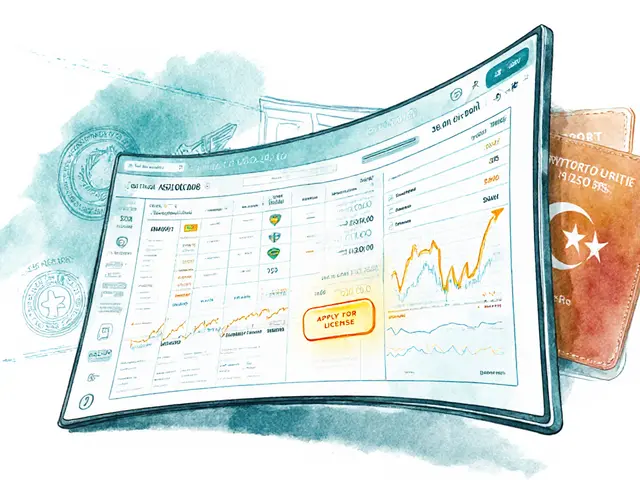
Imagine waking up in a place where your cryptocurrency profits are completely free from capital gains tax. For many high-net-worth individuals and active traders, this isn't just a fantasy-it's a strategic reality achieved through international relocation. As global regulations tighten, moving to a jurisdiction with favorable crypto laws has become one of the most effective ways to legally preserve wealth.
But here’s the catch: you can’t just buy a ticket and declare yourself a resident. Tax authorities are smart. They look for genuine substance, not just paper arrangements. If you get it wrong, you could face double taxation or even penalties. This guide breaks down exactly how to navigate this complex landscape, which countries offer the best deals, and what pitfalls you need to avoid to keep your gains safe and legal.
Understanding the Core Concept: Residency vs. Citizenship
The first thing to grasp is that tax liability usually follows your tax residency, not your citizenship. While some countries like the United States tax based on citizenship (meaning you pay taxes no matter where you live), most nations use a residency-based system. This distinction is crucial because it opens the door for optimization.
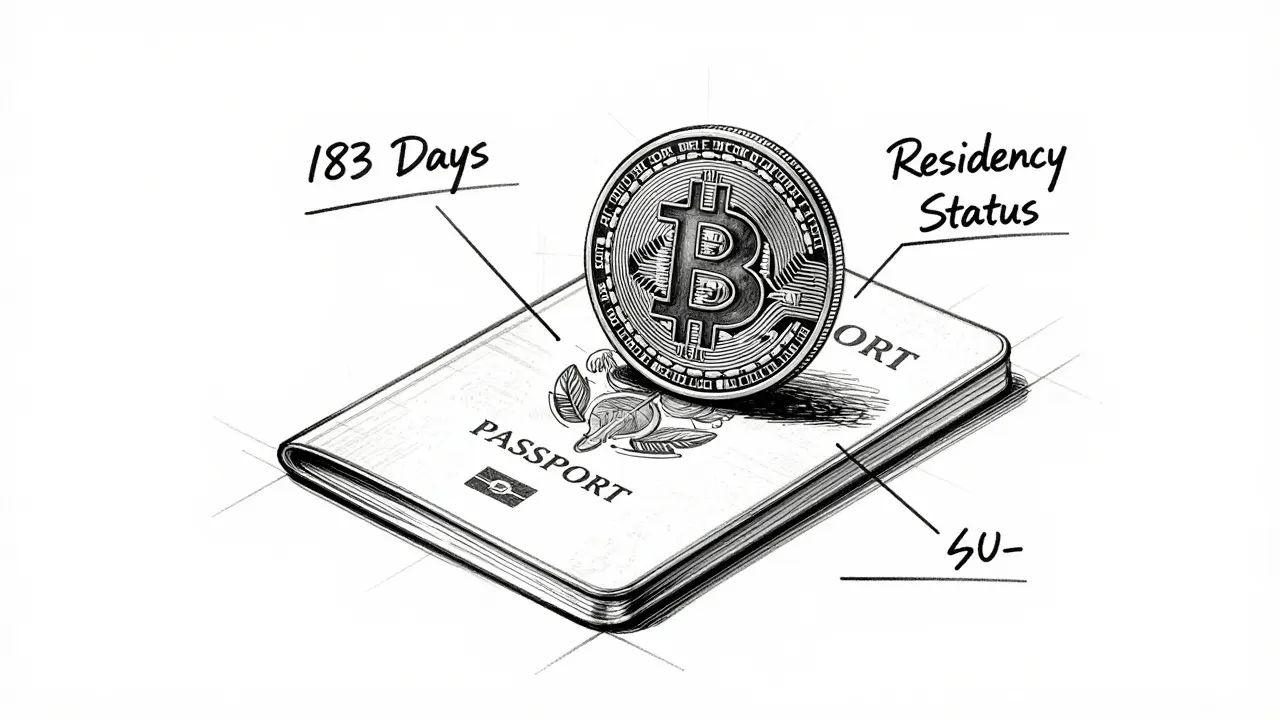
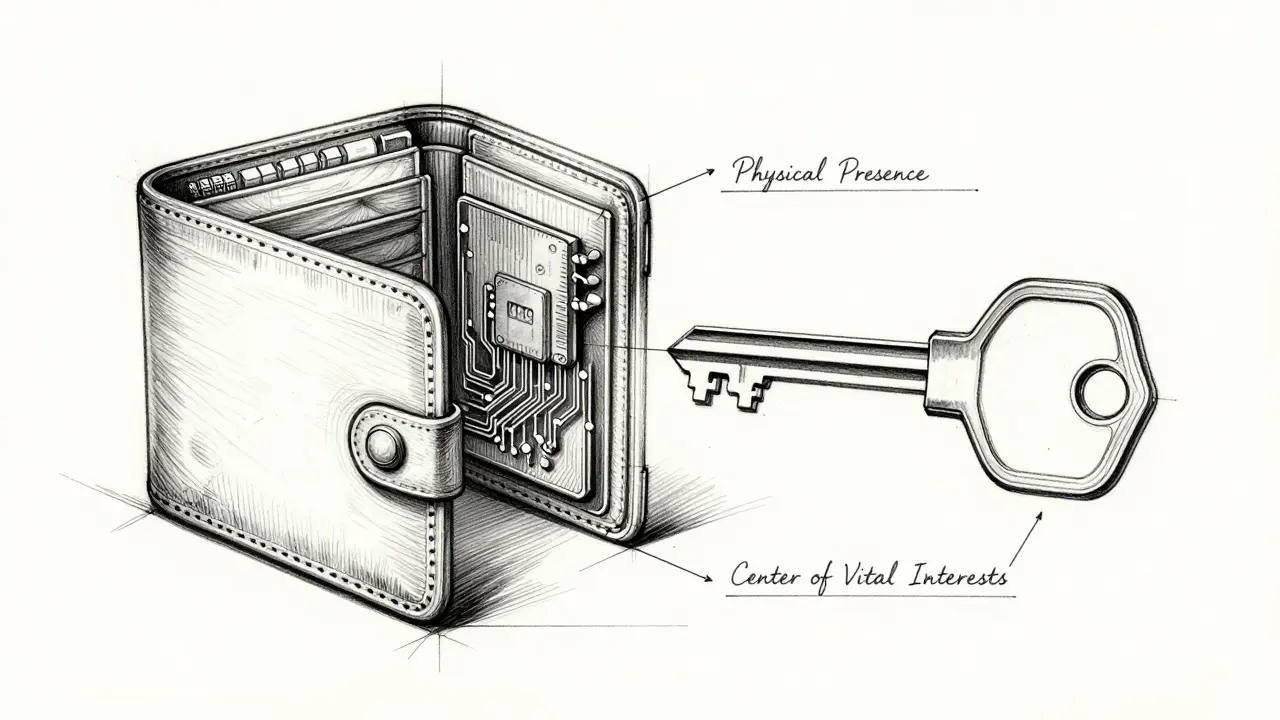
To change your tax residency, you generally need to meet specific criteria set by the new country. These often include:
- Physical Presence: Spending a minimum number of days in the country, typically 183 days or more per year.
- Economic Ties: Owning property, opening a local bank account, or registering a business.
- Center of Vital Interests: Moving your family, joining local social clubs, and conducting daily life there.
It’s not enough to simply leave your home country. You must formally sever your tax ties there while establishing them elsewhere. This process requires careful planning to avoid being considered a resident of both places simultaneously, which would be a nightmare for compliance.
Top Jurisdictions for Crypto Tax Optimization
Not all countries are created equal when it comes to digital assets. Some have embraced crypto with open arms, offering zero tax on gains, while others are still figuring out their stance. Here are the standout options as of 2026.
| Country | Tax Treatment | Residency Requirement | Key Considerations |
|---|---|---|---|
| Dubai (UAE) | 0% Capital Gains Tax | Property ownership or 183+ days | No income or wealth tax; ideal for pure investors. |
| Portugal | Exempt for Individuals | 183+ days annually | Trading classified as business activity is taxed; great quality of life. |
| Germany | 0% if held >1 year | 6 months for tax status | Long-term holding incentive; strict documentation required. |
| United Kingdom | 4-Year Exemption (FIG Regime) | New resident status | Replaced old remittance basis; asset location matters. |
Dubai: The Zero-Tax Haven
Dubai has emerged as the premier destination for crypto wealth preservation. The United Arab Emirates imposes no capital gains tax on cryptocurrency transactions for its tax residents. This means whether you’re trading Bitcoin daily or holding Ethereum long-term, your profits remain yours. To qualify, you need to establish UAE tax residency, which can be done through property ownership or maintaining a physical presence of at least 183 days a year.
The appeal goes beyond just taxes. Dubai offers world-class infrastructure, safety, and a growing ecosystem of crypto businesses. However, remember that while personal gains are tax-free, corporate structures may have different rules, so structuring your holdings correctly is essential.
Portugal: Europe’s Favorite Option
For those who prefer European living, Portugal remains highly attractive. Personal gains derived from cryptocurrency trading are exempt from both VAT and income taxes. This exemption applies specifically to individuals acting as private investors. If you trade frequently enough to be classified as a business activity, full taxation kicks in. Establishing residency requires spending 183+ days in the country annually. Many expats choose Lisbon or Porto for their vibrant communities and lower cost of living compared to other Western European capitals.
Germany: The Long-Term Holder’s Paradise
Germany offers a unique incentive for patience. Cryptocurrency gains from assets held for more than one year are completely exempt from capital gains tax for individual investors. This makes it an excellent choice for HODLers. To benefit, you need to become a tax resident, which typically requires staying in Germany for six months. Keep meticulous records of your purchase dates, as German tax authorities will scrutinize your holding periods closely.
United Kingdom: The New FIG Regime
The UK recently overhauled its tax system for non-domiciled residents. The old remittance basis was replaced by the Foreign Income and Gains (FIG) regime starting in April 2025. Under this new rule, new residents enjoy a four-year exemption period for income and gains from foreign assets. This includes crypto held outside the UK. Determining the "situs" (location) of your crypto assets becomes critical here. If your wallets are hosted offshore, you might qualify for this significant break.
Critical Distinction: Investor vs. Trader Status
One of the biggest mistakes people make is assuming all crypto profits are treated equally. In many jurisdictions, including Portugal and Germany, the tax treatment depends heavily on whether you are classified as an investor or a trader.
Investors typically hold assets for the long term, making occasional buys and sells. Their activities are seen as passive wealth management. Traders, on the other hand, engage in frequent transactions, using leverage, or employing sophisticated strategies that resemble professional business operations. Trading activity is often subject to standard income tax rates, which can be significantly higher than capital gains rates-or fully taxable where investors enjoy exemptions.
To maintain investor status, limit your transaction frequency, avoid day-trading patterns, and document your intent as long-term wealth preservation. If you’re actively trading, consider jurisdictions like Dubai where the distinction matters less due to the zero-tax environment.
The Exit Tax Trap: Leaving Your Home Country
Before you pack your bags, check your current country’s exit tax rules. Many nations impose an "exit tax" on individuals who give up residency. This tax treats your unrealized gains as if you sold everything on the day you left. It’s a way for governments to capture revenue before you disappear into a low-tax haven.
For example, if you sell $1 million worth of crypto after moving, but had $500k in unrealized gains at the time of departure, your home country might tax that $500k immediately. Countries like Canada and Australia have strict exit tax provisions. Always consult with a tax advisor in your home country to understand if you’ll owe money upon leaving. Sometimes, timing your move around market dips or deferring disposals can mitigate this impact.
Special Challenges for U.S. Citizens
If you’re a U.S. citizen, the rules are harsher. The United States taxes based on citizenship, meaning you owe taxes on your worldwide income regardless of where you live. Simply moving to Dubai or Portugal won’t stop the IRS from claiming its share. You’ll still need to file U.S. tax returns and report every crypto transaction.
The only way to fully escape U.S. crypto taxation is to renounce your citizenship-a drastic step with permanent consequences and potential expatriation taxes. Most U.S. expats instead use the Foreign Earned Income Exclusion (FEIE) and Foreign Tax Credit (FTC) to reduce their burden. Note that FEIE only applies to earned income (like salary), not investment gains. So, for pure crypto investors, the FTC is often more useful, allowing you to offset U.S. taxes with taxes paid abroad. But since many crypto havens have zero tax, the FTC might not help much unless you also have other foreign income.

Step-by-Step Implementation Guide
Executing a successful crypto tax migration takes 12-18 months of planning. Don’t rush it. Follow these steps to ensure compliance and maximize benefits.
- Audit Your Portfolio: List all your crypto assets, their acquisition dates, and current values. Identify which ones are short-term vs. long-term holdings.
- Choose Your Destination: Based on your trading style (investor vs. trader) and lifestyle preferences, select a target country. Review their specific residency requirements.
- Consult Professionals: Hire tax advisors in both your home and target countries. They should specialize in cross-border crypto issues. Expect annual compliance costs ranging from $5,000 to $50,000 depending on complexity.
- Plan the Move Timing: Coordinate your physical move with market conditions. Avoid triggering large taxable events in your home country right before leaving. Consider deferring sales until after you’ve established new residency.
- Establish Genuine Residency: Rent or buy a home, open local bank accounts, and spend the required days in the new country. Join local organizations to prove your center of vital interests has shifted.
- Transfer Assets Carefully: Move your crypto to exchanges or wallets located in your new jurisdiction if necessary to optimize source rules. Document every transfer meticulously.
- Maintain Records: Use specialized software like CoinTracker or Koinly to track transactions across multiple currencies and jurisdictions. Accurate record-keeping is your best defense against audits.
Common Pitfalls to Avoid
Even with good intentions, many people stumble during the relocation process. Here’s what to watch out for:
- Paper Residency: Claiming residency without actually living there. Tax authorities increasingly demand proof of physical presence. A vacation home isn’t enough.
- Ignoring Dual Compliance: Just because you moved doesn’t mean your old country forgets about you. You may still need to file informational returns for several years after leaving.
- Misclassifying Activities: Calling yourself an investor while trading five times a day. Authorities look at behavior, not labels.
- Overlooking Anti-Avoidance Rules: Many countries have General Anti-Avoidance Rules (GAAR) that allow them to recharacterize transactions deemed artificial. Ensure your setup has real economic substance.
- Failing to Update W-8BEN Forms: If you use international exchanges, update your tax forms to reflect your new residency. Otherwise, they might withhold taxes based on your old nationality.
The Future of Crypto Tax Migration
The landscape is evolving rapidly. With the global cryptocurrency market cap exceeding $2.3 trillion, regulators are paying close attention. The OECD is pushing for greater international tax information sharing, which could make hiding assets harder. The EU’s Markets in Crypto-Assets (MiCA) regulation is standardizing reporting across member states, reducing arbitrage opportunities between countries.
However, demand for crypto-friendly jurisdictions is soaring. Henley & Partners reported a 300% increase in consultation volumes for crypto holders seeking residency solutions. Countries know that attracting wealthy crypto natives brings investment and innovation. As long as this demand exists, jurisdictions will continue to compete by offering favorable regimes.
The key takeaway? Simple arbitrage-moving to a country just to dodge taxes-is becoming riskier. Successful strategies now require genuine economic substance. You need to truly live, work, and contribute to your new community. Professional advisory relationships are no longer optional; they’re essential for navigating this shifting terrain.
Can I just move to a tax haven and stop paying taxes?
Not necessarily. You must legally change your tax residency, which involves meeting physical presence and economic tie requirements. Additionally, your home country may impose an exit tax on unrealized gains. Without proper planning, you could end up owing taxes in both places.
Is crypto tax migration legal?
Yes, it is legal tax optimization, provided you follow the laws of both your departure and destination countries. The key is establishing genuine residency and complying with all reporting requirements. It becomes illegal evasion only if you hide assets or misrepresent your residency status.
What is the difference between an investor and a trader for tax purposes?
An investor holds assets for the long term with infrequent transactions, often qualifying for lower capital gains rates or exemptions. A trader engages in frequent, high-volume transactions resembling a business, which is typically taxed at higher income tax rates. Classification depends on your actual behavior, not your self-description.
Do U.S. citizens benefit from moving to crypto-friendly countries?
Limitedly. The U.S. taxes citizens on worldwide income regardless of residence. While you can use Foreign Tax Credits to offset taxes paid abroad, many crypto havens have zero tax, limiting the credit's value. Full exemption usually requires renouncing citizenship, which has significant consequences.
How long does the relocation process take?
A thorough crypto tax migration plan typically takes 12-18 months to execute properly. This includes auditing your portfolio, consulting experts, securing residency visas, establishing physical presence, and coordinating asset transfers to minimize tax triggers.
Which software helps track crypto transactions across borders?
Tools like CoinTracker and Koinly are widely recommended for tracking transactions, calculating gains/losses, and generating reports compliant with various international tax standards. They help manage the complexity of multi-jurisdictional reporting.
Will Portugal always be tax-free for crypto?
There is ongoing political pressure to revise Portugal’s crypto tax exemptions. While currently favorable for individuals, policies can change. It’s wise to monitor legislative updates and not rely solely on indefinite permanence of current benefits.
What is an exit tax?
An exit tax is a charge imposed by some countries on individuals who cease to be tax residents. It taxes the unrealized gains on your assets as if you had sold them on the day you left. This prevents people from moving to low-tax jurisdictions to avoid paying taxes on accumulated wealth.