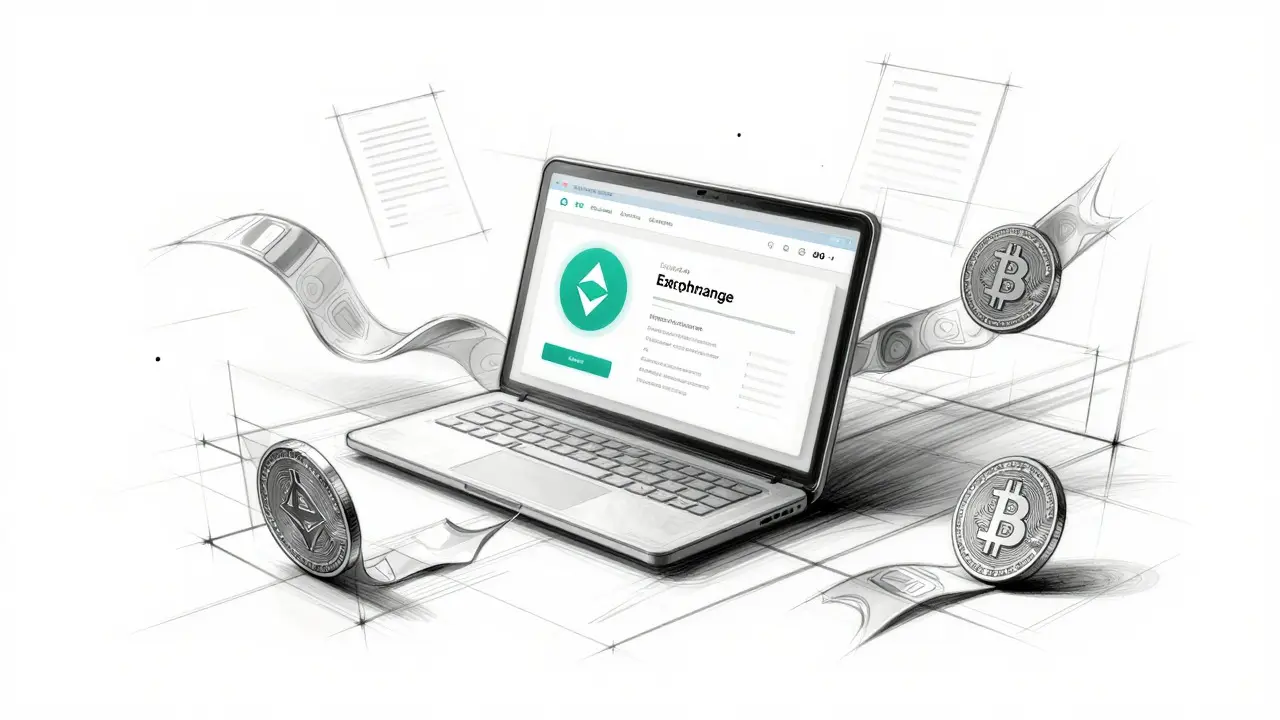
You built a platform. Users are trading Bitcoin and Ethereum. You’re processing fiat deposits. Then the letter arrives, or worse, the silence from your banking partner gets deafening. Why? Because in the eyes of the US government, you aren’t just a tech company anymore. You are a Money Services Business (MSB). And if you haven’t registered with FinCEN (the Financial Crimes Enforcement Network, a bureau of the U.S. Department of the Treasury responsible for combating money laundering), you are operating illegally.
This isn’t about paperwork for the sake of bureaucracy. It’s about staying in business. With nearly 28% of American adults owning some form of convertible virtual currency (CVC) as of 2024, the scrutiny on exchanges has never been higher. If you’re running a centralized exchange, holding user funds, or processing payments, this guide breaks down exactly what FinCEN expects from you, how to register, and why state licenses are the hidden trapdoor most founders forget about.
Who Actually Needs to Register?
Let’s cut through the legal jargon. You don’t need to register because you like Bitcoin. You need to register because you are moving value that substitutes for currency. FinCEN defines this activity under the Bank Secrecy Act (BSA). If your business accepts one type of monetary instrument (like USD) and transmits it, or accepts one type and transmits another (like BTC), you are likely an MSB.
Here is who typically falls into this bucket:
- Centralized Exchanges: Platforms facilitating crypto-to-fiat or crypto-to-crypto trades where you hold custody of the assets during the transaction.
- Custodial Wallet Providers: If you hold the private keys for your users, you are transmitting value on their behalf.
- Crypto Payment Processors: Businesses that accept crypto and settle in fiat, or vice versa.
If you are purely software-say, a non-custodial wallet provider where the user holds the keys and you never touch the funds-you might escape federal MSB registration. But be careful. The line is thin. If you facilitate the trade, even if you don’t hold the asset overnight, regulators often view you as part of the transmission chain.
The Registration Process: No License, Just Duty
One common misconception is that FinCEN issues a "license." They don’t. They require registration. Think of it less like getting a driver’s license and more like filing a tax return. Once you file, you are in the system, and you have ongoing obligations forever.
To register, you use the BSA E-Filing System. You’ll need to provide detailed information about your business structure, ownership, and the specific services you offer. The process itself is straightforward online, but the data entry requires precision. You must identify yourself as an MSB and specify which activities trigger the requirement (e.g., money transmitter, dealer in foreign currency).
Once registered, you receive a BSA ID number. This is your ticket to opening bank accounts. Most US banks will refuse to work with a crypto business without seeing this ID. So, while the registration fee is minimal, the barrier to entry is actually the operational readiness to prove you can handle the compliance load.
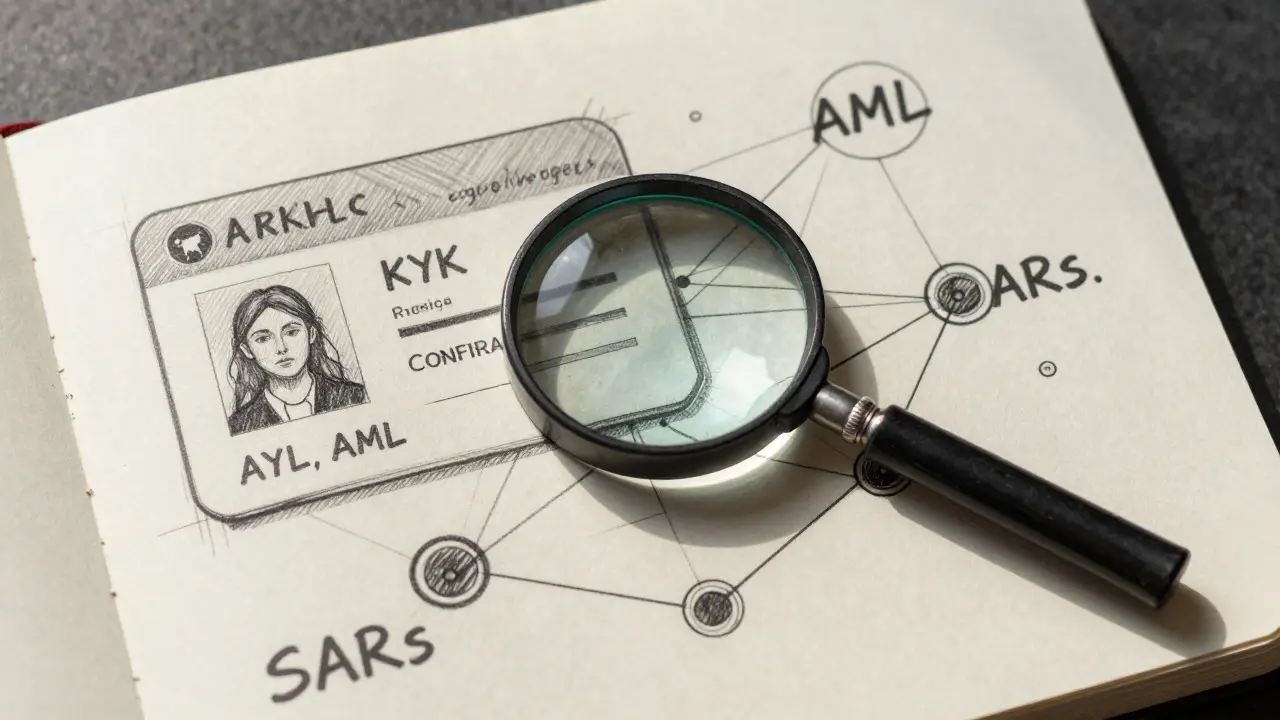
The Core Obligations: KYC, AML, and SARs
Registration is just step one. Step two is the actual work, which consumes 90% of your compliance budget. FinCEN mandates three main pillars of compliance:
- Customer Identification Program (CIP): Also known as KYC (Know Your Customer). You must verify the identity of every user. This isn’t just asking for a name and email. You need government-issued IDs, proof of address, and for high-risk clients, enhanced due diligence. If you can’t tell who is behind the wallet, you can’t report suspicious activity.
- Record Keeping: You must maintain records of transactions above certain thresholds. For cash transactions over $10,000, you file a Currency Transaction Report (CTR). While crypto isn't always "cash" in the traditional sense, the principle applies to the value transmitted. You also need to keep records of all transfers for at least five years.
- Suspicious Activity Reports (SARs): This is the big one. If you see patterns that look like money laundering, structuring (breaking large amounts into smaller ones to avoid reporting), or terrorist financing, you must file a SAR with FinCEN. You have 30 days to file after detection. Failure to file a SAR when required can lead to massive fines.
You cannot outsource the responsibility entirely. Even if you hire a third-party compliance firm, the ultimate liability remains with the exchange’s leadership. You need a designated compliance officer who understands both crypto technology and financial law.
The State-Level Trap: MTLs and BitLicense
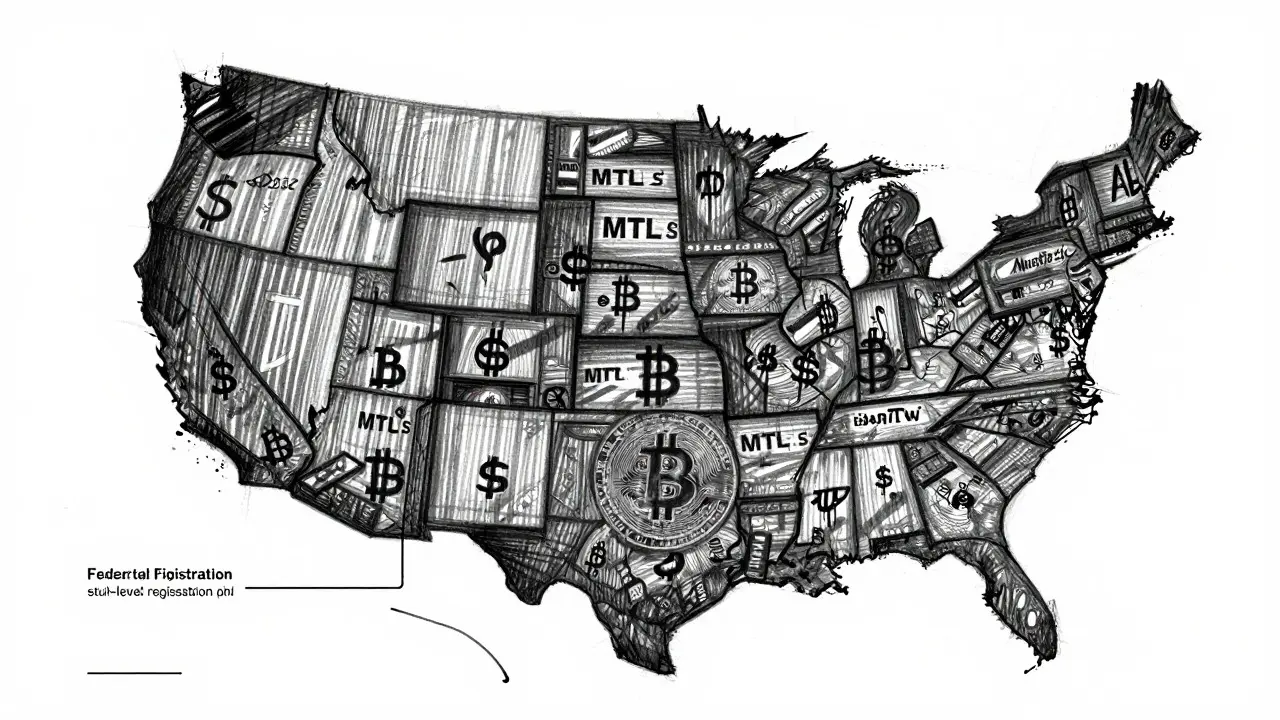
Here is where many startups get crushed. FinCEN registration is federal. It covers anti-money laundering rules across the US. But it does not give you permission to operate in New York, California, or Texas. That comes from state Money Transmitter Licenses (MTLs).
Each state has its own regulator, its own fees, and its own application process. To operate nationwide, you technically need an MTL in every state you serve. Some states, like New York, have specialized regimes. The BitLicense is notoriously strict and expensive, requiring significant capital reserves and detailed business plans.
| Feature | FinCEN (Federal) | State Regulators (e.g., NYDFS) |
|---|---|---|
| Type of Authorization | Registration | Licensing |
| Primary Focus | AML/CFT Compliance | Consumer Protection & Solvency |
| Cost Structure | Low initial fee, high operational cost | High application fees, bond requirements |
| Timeline | Immediate upon filing | Months to years depending on state |
Many new exchanges start by restricting service to states where they don’t need a license, or by partnering with existing licensed entities. This "agent model" allows you to leverage someone else’s license while you build up the capital and infrastructure to apply for your own.
Recent Changes: Mixing Services and Unhosted Wallets
The rules are not static. In 2023, FinCEN issued guidance specifically targeting mixing services (also called tumblers). These services obscure the trail of coins, making them attractive to criminals. FinCEN clarified that mixers fall under MSB regulations and must implement robust AML programs.
There is also ongoing debate regarding unhosted wallets (self-custody wallets). Proposed rules would require exchanges to collect and store information about the owners of unhosted wallets involved in transactions. While implementation timelines have shifted, the direction is clear: anonymity is shrinking. If you send crypto to a cold wallet, the exchange may eventually need to know who owns that cold wallet to comply with the "Travel Rule," which requires passing sender and receiver info along with the transaction.
Beyond FinCEN: The Multi-Agency Maze
Don’t assume FinCEN is the only boss. Depending on what you trade, other agencies come knocking:
- SEC (Securities and Exchange Commission): If you list tokens deemed securities, you face SEC regulations. This affects which coins you can list and how you market them.
- CFTC (Commodity Futures Trading Commission): Bitcoin and Ethereum are generally treated as commodities. The CFTC oversees derivatives and fraud in these markets.
- OCC (Office of the Comptroller of the Currency): Relevant if you are working with national banks for custody or settlement.
A single transaction might involve FinCEN (AML checks), SEC (security classification), and state regulators (operational license). Ignoring one doesn’t make the others go away.
Practical Steps for Compliance Success
If you are launching or scaling an exchange, here is your roadmap:
- Determine Your Status: Consult with a fintech lawyer to confirm if you are an MSB. Don’t guess.
- Register with FinCEN: File via the BSA E-Filing system. Get your BSA ID.
- Build Your AML Program: Implement software for transaction monitoring. Tools like Chainalysis or Elliptic help flag risky addresses. Set up your CIP workflow.
- Hire a Compliance Officer: Someone needs to be accountable for filing SARs and keeping records.
- Map Your State Footprint: Decide which states you will serve initially. Apply for MTLs or find a partner.
- Prepare for Audits: Keep everything documented. If FinCEN asks for records, you should be able to pull them instantly.
Compliance is expensive. Expect to spend significantly on legal counsel, compliance software, and staff training. But compare that to the cost of a shutdown order or a multi-million dollar fine. The investment pays off in trust-with banks, partners, and users who want to know their money is safe.
Do I need FinCEN registration if I only trade crypto-to-crypto?
Yes, in most cases. If you facilitate the exchange of one convertible virtual currency for another and take custody of the assets during the trade, you are likely considered a money transmitter. FinCEN views CVC as a substitute for currency, so moving it triggers MSB obligations.
What is the difference between FinCEN registration and a state license?
FinCEN registration is a federal requirement focused on Anti-Money Laundering (AML) and Counter-Terrorist Financing (CFT) compliance. It does not grant permission to do business. State licenses (Money Transmitter Licenses) authorize you to legally operate and hold customer funds within that specific state. You typically need both.
How much does FinCEN registration cost?
The direct federal fee for registering as an MSB is relatively low (often under $500). However, the true cost lies in compliance infrastructure: KYC vendors, transaction monitoring software, legal fees, and staffing. Annual renewal costs are also minimal federally, but state license renewals can be substantial.
What happens if I fail to file a Suspicious Activity Report (SAR)?
Failure to file a SAR when required is a serious violation of the Bank Secrecy Act. Penalties can include civil fines ranging from thousands to millions of dollars, depending on the severity and whether the failure was negligent or intentional. Repeated failures can lead to criminal charges and loss of banking relationships.
Are DeFi protocols subject to FinCEN registration?
Currently, pure decentralized finance protocols where no central entity controls the funds or facilitates the trade may not require registration. However, if a team controls a front-end interface and takes fees, or acts as a custodian, regulators are increasingly looking at whether they function as MSBs. This area is evolving rapidly.