Living in a country where your bank account can be frozen overnight or your savings lose half their value in a year changes how you think about money. For millions of Iranians, cryptocurrency isn't just a speculative investment; it is a lifeline. But here is the twist: while ordinary citizens rely on digital assets to survive inflation, the Iranian government has spent the last few years building one of the most complex regulatory frameworks in the world to control them.
If you are wondering whether you can legally mine Bitcoin, trade Ethereum, or hold stablecoins in Iran today, the answer is not a simple yes or no. It is a "yes, but..." that comes with strict licenses, heavy taxes, and intense scrutiny from the Central Bank of Iran (CBI)the primary financial authority responsible for regulating monetary policy and digital asset oversight in Iran. As of mid-2026, the landscape has shifted dramatically from the wild west of early mining days to a tightly controlled state-monitored ecosystem.
The Core Legal Framework: Who Is in Charge?
To understand the rules, you first need to know who makes them. In early 2025, President Masoud Pezeshkian issued a directive that fundamentally changed the game. He designated the CBI as the sole authority for regulating what they call "ramzpol"-the local term for digital currencies. This wasn't just a bureaucratic shuffle; it was a consolidation of power.
Before this, multiple agencies had overlapping interests. Now, the CBI holds the keys. Under Executive Order 2025-01, issued in January 2025, the central bank demands direct and unrestricted access to all data, statistics, and records related to cryptocurrency activities. If you are running an exchange, a wallet service, or even a large-scale mining operation, the CBI wants to see everything. This level of transparency is designed to prevent money laundering and sanctions evasion, two major concerns for both domestic stability and international relations.
The framework requires every participant-whether an individual trader, a business, or a legal entity-to secure a license from the CBI. Unlicensed trading is technically illegal. However, enforcement varies. While small retail transactions often fly under the radar, institutional players must comply fully. The goal is clear: bring the shadow economy into the light so the state can monitor capital flows and ensure that digital assets don't undermine the national currency, the rial.
Mining Regulations: Power, Licenses, and Costs
Mining is where the rubber meets the road in Iran. Because electricity is heavily subsidized for residential use, unregulated mining farms have historically drained the national grid, causing blackouts during peak summer months. The government’s response has been aggressive regulation rather than outright bans.
In 2019, mining was legalized to curb these unauthorized operations. By mid-2025, over 1,000 licenses had been issued by the Ministry of Industry, Mine and Trade. But getting a license doesn't mean you get cheap power. Legal miners must pay electricity tariffs pegged to export prices, which are significantly higher than the subsidized rates available to households. This ensures that mining remains profitable only if it is efficient and compliant.
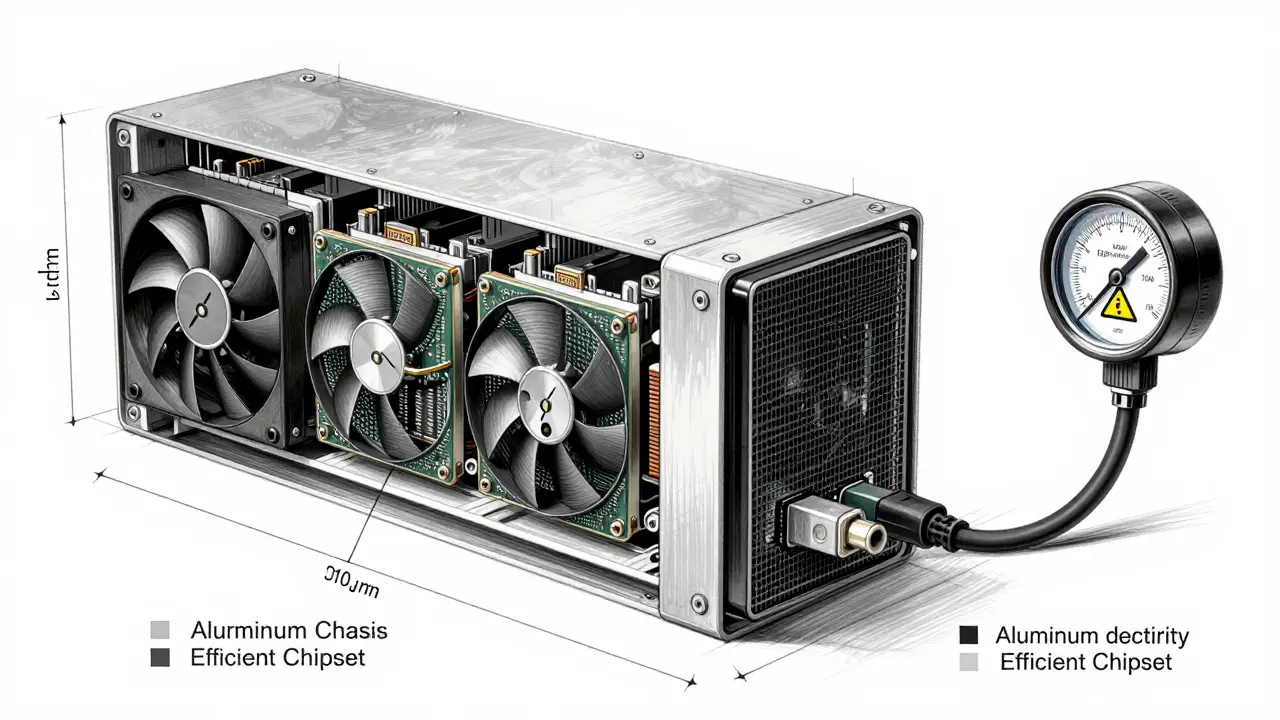
There are also hardware restrictions. You cannot just buy any ASIC miner off the internet. The government approves specific hardware models to ensure energy efficiency. Furthermore, legal miners face consumption limits enforced by the Ministry of Energy. If you exceed your allocated power quota, you risk penalties or shutdowns. Despite these measures, experts estimate that around 95% of mining activity in Iran still operates illegally. The government has dismantled approximately 100 unauthorized farms and seized more than 250,000 devices in recent crackdowns, but the sheer scale of the informal sector makes total control nearly impossible.
Trading and Exchanges: The Nobitex Dominance
If you want to trade crypto in Iran, you likely end up on Nobitexthe largest cryptocurrency exchange in Iran, handling the majority of domestic trading volume. Nobitex dominates the market, processing 87% of the volume in 2022 and maintaining its lead through 2025. Other platforms exist, but they operate under the same strict KYC (Know Your Customer) and AML (Anti-Money Laundering) requirements.
All transactions must occur through CBI-approved channels. Brokers must conduct rial transactions transparently through designated accounts approved by the central bank. This means no anonymous cash trades. Every swap from rial to USDT or Bitcoin is recorded. Crypto platforms can obtain direct payment gateways within this regulatory framework, allowing for smoother integration with traditional banking systems, but only if they adhere to the rules.
One critical rule for miners: they are required to sell their mined cryptocurrencies to the CBI through the National Iranian Money Changer Association (NIMA) system. This directs earnings into state revenue, helping the government capture value from the mining boom. For regular traders, however, holding and exchanging digital assets is permitted as long as it happens on licensed platforms.
Taxation: The New Reality for Traders
Here is where things got serious in August 2025. The enactment of the Law on Taxation of Speculation and Profiteering marked Iran’s first imposition of capital gains tax on cryptocurrency trading. Before this, profits were largely untaxed. Now, crypto is positioned alongside other speculative assets like gold, real estate, and forex.
This means if you buy Bitcoin at one price and sell it later for a profit, you owe taxes on that gain. The implementation began in Q3 2025, with phased rollouts to allow exchanges and users to adapt. For many Iranians, this added a layer of complexity. Previously, crypto was seen as a way to preserve wealth outside the traditional banking system. Now, the state claims a share of those preservation efforts. Economic Affairs Minister Hemmati publicly supported this move, arguing that organizing the market benefits stakeholders in the long run, even if it feels like a burden initially.
Geopolitics and Sanctions: The Stablecoin Shift
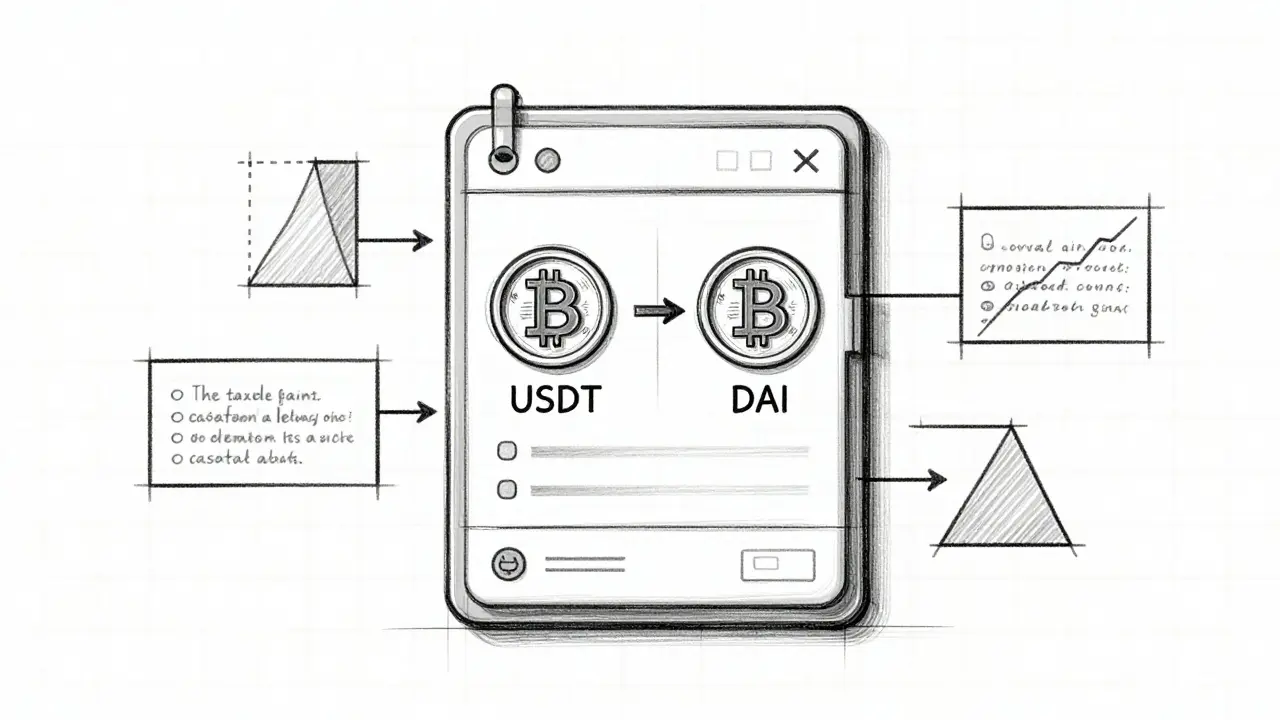
You cannot discuss Iran’s crypto scene without addressing sanctions. International pressure has forced Iranian actors to adapt quickly. In July 2025, Tether froze addresses with Iranian exposure, threatening the liquidity of USDT, the most popular stablecoin. The reaction was swift. Domestic exchanges, influencers, and government-aligned channels urged users to offload USDT holdings.
The solution? Migrate to DAI via the Polygon network. This shift allowed users to preserve access to liquid stablecoins despite heightened sanctions pressure. It demonstrated the ecosystem’s resilience and adaptability. While illicit transactions accounted for just 0.9% of total activity on Iranian exchanges, the government remains vigilant about crypto being used for sanctions evasion or procuring sensitive goods like drone components.
Iran has also explored using cryptocurrency for international trade settlements to reduce the impact of sanctions. Reports suggest collaboration with Russia on a gold-backed stablecoin for cross-border payments. In May 2023, Iran announced that companies could pay for imports using cryptocurrencies, an early step toward formalizing crypto for trade. These moves show that the government sees strategic value in digital assets beyond just domestic speculation.
Practical Implications for Users and Businesses
So, what does this mean for you? If you are an ordinary Iranian citizen, crypto remains a vital tool against inflation. Many people use digital assets for everyday transactions, sending remittances, or saving value. However, you must navigate multiple hurdles. Ensure you use licensed exchanges like Nobitex. Keep records of your transactions for tax purposes. Be aware that your data is shared with the CBI.
For businesses, the stakes are higher. You need a license from the Ministry of Industry, Mine and Trade if you are mining. You need approval from the CBI if you are facilitating trades. Compliance costs money and time, but operating illegally risks seizure of equipment and legal penalties. The government’s message is clear: we will let you play, but we will watch closely.
| Regulatory Area | Key Change | Impact |
|---|---|---|
| Authority | CBI designated as sole regulator (Jan 2025) | Consolidated oversight, mandatory licensing |
| Mining Power | Tariffs pegged to export prices | Higher operational costs, reduced grid strain |
| Taxation | Capital gains tax introduced (Aug 2025) | Profits taxed like gold/real estate |
| Stablecoins | Shift from USDT to DAI/Polygon (Jul 2025) | Adaptation to Tether sanctions |
| Data Access | CBI gets unrestricted data access (Exec Order 2025-01) | Enhanced transparency, anti-money laundering focus |
Market Dynamics: Resilience Amid Pressure
Despite the tightening controls, the market shows resilience. Total cryptocurrency flows declined 11% year-over-year between January and July 2025, reaching approximately USD 3.7 billion. This drop reflects increased regulatory scrutiny and external sanctions pressure. Yet, the ecosystem adapted. The migration to DAI and continued use of mining for economic benefit demonstrate that demand persists.
Experts note that most everyday Iranians use digital assets as a hedge against inflation and financial instability. Illicit activities are a small fraction of total volume. The government’s approach balances leveraging crypto for economic resilience while addressing domestic concerns about power consumption and financial stability. As we move through 2026, expect further tightening of controls, expanded oversight mechanisms, and potentially more integration of crypto into official trade channels.
Is it legal to own cryptocurrency in Iran?
Yes, owning cryptocurrency is legal for individuals, provided you acquire it through licensed exchanges and comply with reporting requirements. However, using it as an official means of payment for goods and services is restricted, and all transactions must be traceable.
Do I need a license to mine Bitcoin in Iran?
Yes. Any commercial mining operation requires a license from the Ministry of Industry, Mine and Trade. You must also adhere to specific electricity tariffs, use approved hardware, and stay within consumption limits set by the Ministry of Energy.
How is cryptocurrency taxed in Iran?
As of August 2025, capital gains from cryptocurrency trading are subject to taxation under the Law on Taxation of Speculation and Profiteering. Profits are treated similarly to gains from gold, real estate, or forex, and must be reported to tax authorities.
Which exchanges are legal in Iran?
Exchanges must be licensed by the Central Bank of Iran. Nobitex is the dominant platform, handling the majority of trading volume. Other smaller exchanges may operate if they meet CBI compliance standards for KYC and AML.
Can I use USDT in Iran?
While USDT is widely used, there have been restrictions due to sanctions. In July 2025, many users migrated to DAI on the Polygon network after Tether froze certain addresses. Always check current exchange support and sanction risks before holding specific stablecoins.