
You’ve just earned some Bitcoin from a freelance project or sold your NFT collection. The money is sitting in your wallet, but you need real cash-EUR, USD, or maybe SGD-in your bank account before rent is due. You don’t want to deal with the complex trading interfaces of giants like Binance or the strict identity checks of Coinbase. That’s where AjuBit comes in. Launched in August 2020, this platform bills itself as "the world's first informative crypto exchange," focusing heavily on one specific job: turning cryptocurrency into fiat currency quickly and without holding your funds.
But does it actually deliver? With a reputation that swings between "fast and reliable" and "untracked volume," you need to know exactly what you’re getting into. This review breaks down how AjuBit works, whether it’s safe for your assets, and if it’s the right tool for your next cash-out.
What Exactly Is AjuBit?
AjuBit isn’t your typical trading platform. You won’t find complex charting tools, leveraged futures, or hundreds of altcoin pairs here. Instead, it operates as a specialized bridge between the crypto world and traditional banking systems. According to its registration details, AJUBIT INC. is incorporated in Panama as a Virtual Asset Service Provider (Company No. 27046), though it also lists operations in Seychelles. This dual-registration strategy is common among offshore exchanges aiming to navigate international regulations while serving a global user base.
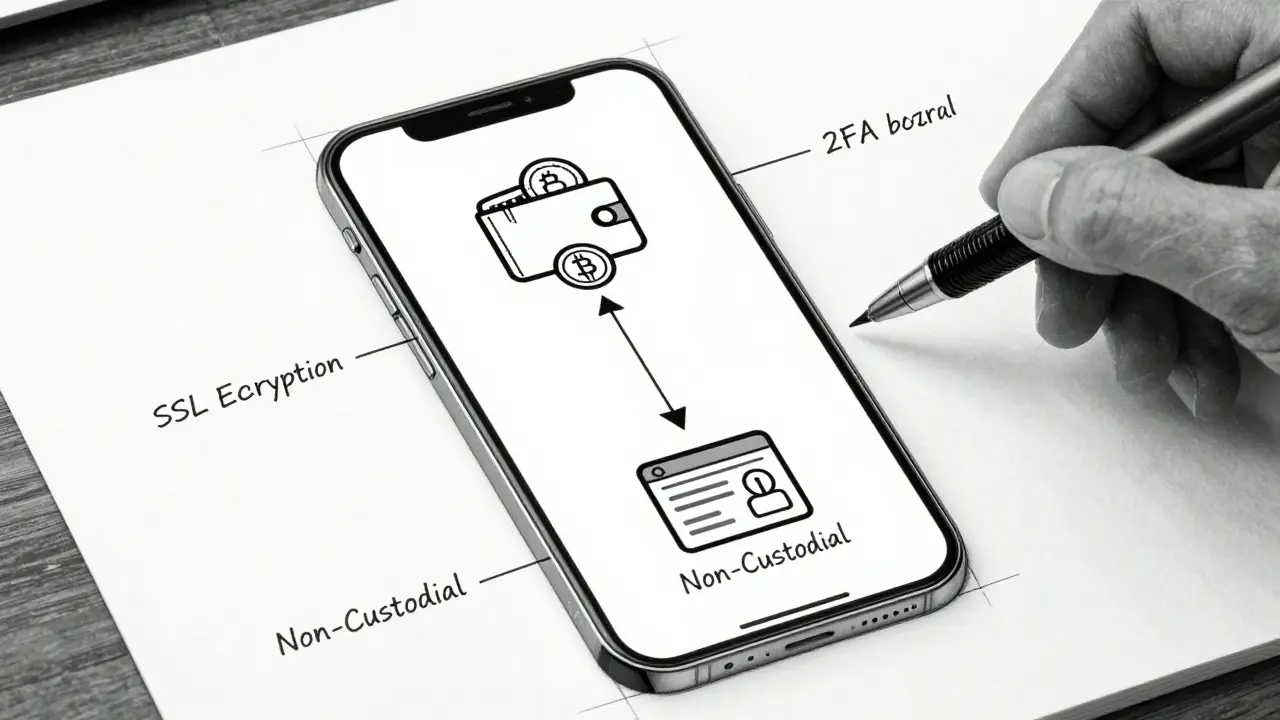
The core differentiator is its non-custodial model. Unlike most centralized exchanges where you deposit funds into an account controlled by the company, AjuBit claims not to hold client funds. In theory, this means you maintain control over your private keys and assets throughout the transaction process. For users worried about exchange insolvency-a real fear after events like FTX’s collapse-this architecture offers a layer of psychological comfort. However, "non-custodial" can sometimes mean different things in practice, so understanding the actual flow of funds is critical.
How AjuBit Works: The User Experience
If you’re looking for simplicity, AjuBit delivers. The interface is designed for speed, not sophistication. Here’s the typical workflow:
- Select Your Pair: Choose your cryptocurrency (BTC, ETH, LTC, USDT) and your target fiat currency (USD, EUR, GBP, etc.) or e-currency (Perfect Money, Payeer).
- Enter Amounts: Input how much crypto you want to sell or how much fiat you want to receive. The platform shows you the current rate instantly.
- Provide Details: Enter your bank account information or e-wallet address. For larger amounts, expect standard KYC (Know Your Customer) verification.
- Execute: Send the crypto to the provided address. Once confirmed on the blockchain, the fiat transfer begins.
User testimonials suggest that crypto-to-fiat conversions often complete within a few hours, while international bank wires might take up to two working days. This is significantly faster than traditional cross-border banking transfers, which can drag on for five to seven business days. The platform supports mobile wallets, allowing you to initiate trades directly from your phone, which adds a layer of convenience for freelancers on the go.
| Feature | AjuBit | Binance | Coinbase |
|---|---|---|---|
| Primary Focus | Crypto-to-Fiat Conversion | Full Trading & DeFi | Retail Investing & Compliance |
| Custody Model | Non-Custodial (Claimed) | Custodial | Custodial |
| Supported Fiats | 50+ Countries (EUR, USD, GBP, etc.) | Limited (varies by region) | Major Currencies Only |
| Trading Tools | Basic Exchange Rates | Advanced Charts, Futures, Options | Basic Spot Trading |
| Fee Structure | Competitive Spread + Low Wire Fees | Maker/Taker Fees | Spread + Transaction Fee |
| Best For | Freelancers, Cash-outs | Active Traders | Beginners, Institutional Investors |
Safety and Security: What Should You Know?
When dealing with money, security isn’t optional; it’s the baseline. AjuBit employs standard industry protocols: SSL encryption for data transmission, IP verification to detect suspicious logins, and two-factor authentication (2FA) for account protection. These are good signs. They show the platform takes basic cybersecurity seriously.
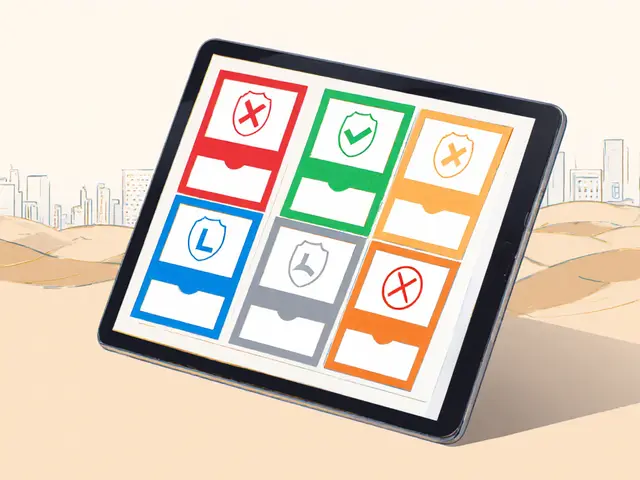
However, there are red flags worth noting. CoinMarketCap lists AjuBit as an "Untracked Listing." This doesn’t mean it’s a scam, but it does mean the exchange lacks the transparent, verifiable trading volume data that top-tier platforms provide. Without public liquidity metrics, you have less visibility into how much capital is actively moving through the system. Additionally, the MyWOT (Web of Trust) rating sits at a moderate 3.0 out of 5.0. While not terrible, it falls short of the 4.5+ ratings seen from established leaders like Kraken or Coinbase.
The regulatory landscape is another gray area. Being registered in Panama and Seychelles provides flexibility but also means you’re outside the stringent oversight of EU or US financial authorities. If something goes wrong, consumer protection laws may offer limited recourse. Always treat any offshore exchange with caution and never store more than you can afford to lose.
Fees and Hidden Costs
AjuBit markets itself on low fees, specifically targeting the pain point of high bank wire transfer charges. The exchange rates appear competitive compared to traditional banks, especially for less common currency pairs like BTC to AUD or ETH to HKD. However, "competitive" doesn’t always mean "cheap."
The cost structure likely relies on the spread-the difference between the buy and sell price-rather than explicit transaction fees. For large transactions, this spread can add up. Users should compare the final received amount against the current market rate on CoinGecko or CoinMarketCap to calculate the true cost. There are no publicly listed fee schedules, so transparency is lower than on regulated exchanges. If you’re moving small amounts, the savings on wire fees might outweigh the spread. For institutional-sized moves, you’ll likely find better rates on prime brokerage services.
Who Is AjuBit Really For?
AjuBit fills a specific niche. It’s not trying to be the next Binance. Here’s who benefits most:
- Freelancers and Gig Workers: If you get paid in crypto but live in a country with restrictive banking laws or high withdrawal fees, AjuBit’s support for 50+ local currencies is a lifesaver.
- Cross-Border Remitters: Sending money to family abroad via Western Union or traditional banks is expensive and slow. AjuBit’s international money transfer feature cuts out the middleman.
- Privacy-Conscious Users: While KYC is required for fiat withdrawals, the non-custodial claim appeals to those wary of handing over total control of their assets to a central entity.
It’s not for day traders, arbitrageurs, or anyone needing deep liquidity pools. If you need to execute large orders without slippage, look elsewhere.

Pros and Cons at a Glance
To help you decide quickly, here’s the breakdown:
Pros:
- Fast processing times (hours, not days).
- Supports a wide range of fiat currencies and e-wallets (Perfect Money, Payeer).
- Non-custodial model reduces counterparty risk.
- Responsive customer support available nearly 24/7.
- Referral program offers up to 30% commission.
Cons:
- Limited trading pairs (only ~247 rates).
- No advanced trading tools or charts.
- Untracked volume on major aggregators raises transparency concerns.
- Offshore registration limits legal recourse.
- Mixed user reviews regarding occasional operational delays.
Final Verdict
AjuBit is a solid utility tool for a specific job: converting crypto to cash quickly and cheaply. It shines for freelancers and individuals needing to move value across borders without the hassle of traditional banking. Its non-custodial approach is a unique selling point in a crowded market. However, the lack of transparent volume data and offshore regulatory status means you should proceed with caution. Use it for transactions you can afford, verify every detail before sending, and keep records of all communications. For everyday trading, stick to the big players. For quick cash-outs, AjuBit deserves a spot in your toolkit.
Is AjuBit a legitimate exchange?
Yes, AjuBit appears to be a legitimate service provider. It has been operating since 2020, is registered as a Virtual Asset Service Provider in Panama, and has thousands of user reviews. However, it is not listed on major regulated exchanges like NASDAQ or LSE, and its volume is untracked on CoinMarketCap, meaning it operates in a less transparent segment of the market.
How long does it take to withdraw fiat from AjuBit?
Most users report receiving fiat payments within a few hours for e-wallets like Perfect Money or Payeer. International bank wire transfers typically take up to two working days, depending on the recipient bank’s processing speed.
Does AjuBit require KYC verification?
Yes, for fiat withdrawals and larger transactions, AjuBit requires standard KYC (Know Your Customer) verification. This usually involves providing identification documents and proof of address to comply with anti-money laundering regulations.
What cryptocurrencies does AjuBit support?
AjuBit primarily supports major cryptocurrencies including Bitcoin (BTC), Ethereum (ETH), Litecoin (LTC), and Tether (USDT). It also integrates with popular e-currencies such as Perfect Money, Payeer, and ADVcash for fiat conversion.
Is my money safe on AjuBit?
AjuBit uses a non-custodial model, meaning they claim not to hold your funds, which reduces the risk of exchange insolvency. However, as with any offshore platform, there is no insurance fund like FDIC coverage. Always use strong passwords, enable 2FA, and never store more than necessary for immediate transactions.


John Gonzalez Bentham
17 May, 2026 . 17:06 PM
another offshore scam waiting to happen. you think panama registration means safety? it means zero recourse when they rug pull. stick to regulated exchanges or keep your crypto in a cold wallet and forget fiat for a while.
Ellie Riddell
17 May, 2026 . 17:11 PM
look, i get the appeal of speed but have you actually tried to withdraw from these types of platforms without getting flagged? it’s like playing russian roulette with your rent money. the non-custodial claim is nice on paper but does it hold up when customer support goes dark?
beti macedo
18 May, 2026 . 09:14 AM
i was very hopeful about this platform because i needed to convert my earnings quickly for my family expenses back home. the interface looked so clean and simple compared to binance which overwhelms me every time. i sent a small amount first just to test the waters and honestly the transfer came through faster than i expected. maybe my luck will continue if i need to move larger sums later on. thank you for sharing this detailed review it really helped me understand the risks involved.
Gavin Wonnacott
19 May, 2026 . 21:20 PM
you people are idiots for trusting a panamanian shell company. do you want your money gone forever? i told you last week to avoid anything untracked on cmc. now you’re here asking if it’s safe. typical. the spread is probably eating 5% of your transaction before you even hit send.
Samara McCallum
20 May, 2026 . 05:13 AM
it feels like we are always looking for the perfect middle ground between security and convenience but maybe that doesn't exist anymore. i tried using payeer withdrawals once and it took forever so i can see why someone would look for alternatives. just be careful out there friends.
Sheldon Friesen
20 May, 2026 . 15:27 PM
let's break this down logically; if an exchange claims to be non-custodial but requires you to send funds to their address for processing, they are technically custodial during the transaction window. that is a critical distinction most users miss. also, the lack of public fee schedules is a massive red flag for anyone who values transparency. you should demand better than hidden spreads.
Tricia Alach
21 May, 2026 . 08:46 AM
i read somewhere that they use perfect money for instant transfers which is kinda cool if you live in countries where banks are slow as hell. i might give it a try for small amounts just to see how the support team reacts. fingers crossed nothing goes wrong lol.
Jan Gilmore
22 May, 2026 . 07:05 AM
here is the thing about offshore exchanges: they operate in a regulatory gray area by design. this allows them to offer services that regulated entities cannot, but it also means you have no legal protection. if AjuBit decides to change their terms or freeze your account, you can’t sue them effectively. I’ve seen this pattern repeat with dozens of similar platforms over the years. It’s not a matter of if, but when they disappear.
Caique Muniz
22 May, 2026 . 16:18 PM
another day another crypto exchange promising the moon. sure buddy. i bet the fees are hidden in the spread like always. nobody checks the actual rate vs market price. lazy users deserve what they get.
Bradley Geldenhuys
24 May, 2026 . 04:18 AM
look man i know everyone wants fast cash but you gotta respect the process. if its too good to be true it usually is. i lost half my portfolio on a similar platform that claimed to be non-custodial. learn from my pain dont do it again.
robert Whitehead
24 May, 2026 . 17:53 PM
the moral failing here is obvious: users prioritize convenience over security. you are handing your financial sovereignty to an entity registered in a tax haven. this is not just risky, it is ethically questionable to trust such opaque structures with your life savings. educate yourselves or perish.
Jocelyn Garcia
26 May, 2026 . 03:13 AM
from a technical standpoint the liquidity depth is likely shallow. without tracked volume metrics you cant assess slippage risk accurately. for institutional moves this is a hard no. for retail micro-transactions maybe acceptable if you verify the exit node.
Amit Varpe
27 May, 2026 . 05:40 AM
why do we always trust foreign platforms? indian banks are strict yes but at least they are regulated. this panama thing sounds suspicious to me. stay safe guys :)
Bronwen Butler
27 May, 2026 . 21:35 PM
everyone says it’s safe until it isn’t. i’ve been around since the bitconnect days. remember those? yeah thought so. untracked volume means they can manipulate prices however they want. don’t be naive.
Pauline Larocco71
28 May, 2026 . 05:59 AM
i work with freelancers from all over the world and many of them struggle with receiving payments in local currency. this could be a lifesaver for some if it works as advertised. i hope they improve their transparency soon because trust is hard to build in this industry. please share your experiences if you try it out.
Michelle Bonahoom
29 May, 2026 . 16:35 PM
waste of time. just use wire transfer directly from coinbase. sure it takes longer but you wont lose your shirt. these offshore scams prey on desperate people. pathetic.
Albert Lee
30 May, 2026 . 05:29 AM
i hear your concerns loud and clear and they are valid. losing access to your funds is a nightmare scenario. however for those who truly need immediate fiat conversion due to urgent personal circumstances this might be the only option available. just proceed with extreme caution and never deposit more than you can afford to lose completely.
Destiny Kilby
31 May, 2026 . 08:46 AM
i appreciate the detailed breakdown of the pros and cons. it helps to see both sides clearly. i tend to avoid anything that requires extensive kyc unless absolutely necessary but sometimes you have no choice. thanks for posting this.
Jerry CUNNINGHAM SR
1 June, 2026 . 12:21 PM
it is important to acknowledge the niche this platform serves. for cross-border remittances traditional banking is often prohibitively expensive. if ajubit can offer competitive rates and reliable service it deserves recognition. however users must remain vigilant about regulatory changes that could impact operations.
Shelby Cantu
2 June, 2026 . 00:44 AM
fast processing is key. i hate waiting days for bank wires. if this works well it’s a game changer.
Ruben Michel
3 June, 2026 . 00:32 AM
the pretension of claiming to be 'informative' is laughable. a proper exchange provides real-time order book data and historical volatility metrics. this is merely a payment processor masquerading as an exchange. do not confuse utility with sophistication. the elite traders know better.