You’ve probably heard the name Dcoin pop up in crypto forums or maybe even a friend’s chat group. It claims to be a major player with huge trading volumes and a team from tech giants like Google and Baidu. But here is the thing about the crypto world: names get copied, scams run rampant, and "big promises" often hide small print. Before you deposit a single dollar into any exchange, you need to know if it’s actually safe, what you’re paying in fees, and whether it’s right for your specific situation.
This isn’t just a list of features. We are going to look at the real mechanics of JayKay Sun’s analysis of the platform. Is Dcoin a solid place to trade Bitcoin and Ethereum? Or is it another risky venture that might disappear when the market turns? Let’s break down the facts, the risks, and the user experience so you can decide for yourself.
What Exactly Is Dcoin?
Dcoin is a global cryptocurrency exchange platform founded in May 2018. The story goes that the core team comes from major technology companies including Google, Baidu, and 360. They set up headquarters in Singapore, which is a common move for crypto exchanges looking for a somewhat neutral regulatory ground. Their main goal was to create a quick, simple, and secure way for investors to trade digital assets.
On paper, the numbers look impressive. The platform reports a 24-hour trading volume exceeding USD 1 billion. That suggests there is enough liquidity to buy or sell significant amounts without moving the price too much. They support major cryptocurrencies like Bitcoin (BTC), Ethereum (ETH), USDT, Litecoin (LTC), and EOS. They also offer derivatives and leveraged ETF products, which means you can bet on prices going up or down without necessarily owning the underlying asset.
However, context matters. A $1 billion daily volume sounds huge, but compared to industry titans like Binance or Coinbase, it’s still a fraction of the total market. This puts Dcoin in the mid-tier category-popular enough to have activity, but not dominant enough to dictate market trends.
The Fee Structure: What Will You Actually Pay?
Fees eat into profits faster than you think. If you are an active trader, every basis point counts. Let’s look at how Dcoin charges you.
| Fee Type | Cost | Notes |
|---|---|---|
| Maker Fee | 0.2% | Charged when you add liquidity to the order book |
| Taker Fee | 0.2% | Charged when you remove liquidity (instant buy/sell) |
| Deposit Fee | Free | No charge for depositing crypto assets |
| Withdrawal Fee | Variable | Depends on the specific blockchain network congestion |
A flat 0.2% for both makers and takers is standard for many mid-sized exchanges. It’s not the cheapest out there-some platforms offer lower rates if you hold their native token or hit high volume tiers-but it’s not predatory either. The fact that deposits are free is a good start. However, withdrawal fees vary. You need to check the specific fee for the coin you want to pull out before you click "withdraw," because blockchain network costs change constantly.
There is also the Dcoin Token (DT). This is their internal utility token. Usually, holding these tokens allows you to pay fees at a discount. If you plan to trade heavily, buying DT might save you money in the long run, but calculate the cost of buying the token against the potential savings first.
Security: Are Your Funds Safe?
In crypto, security isn’t a feature; it’s the foundation. If the exchange gets hacked, your money is gone. Dcoin claims to take this seriously. Their team includes members with over 10 years of experience in internet safety and cybersecurity. That’s a strong claim, but let’s look at the technical implementation.
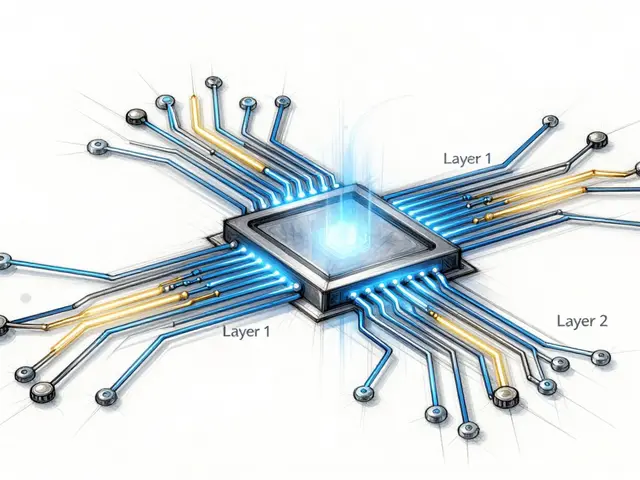
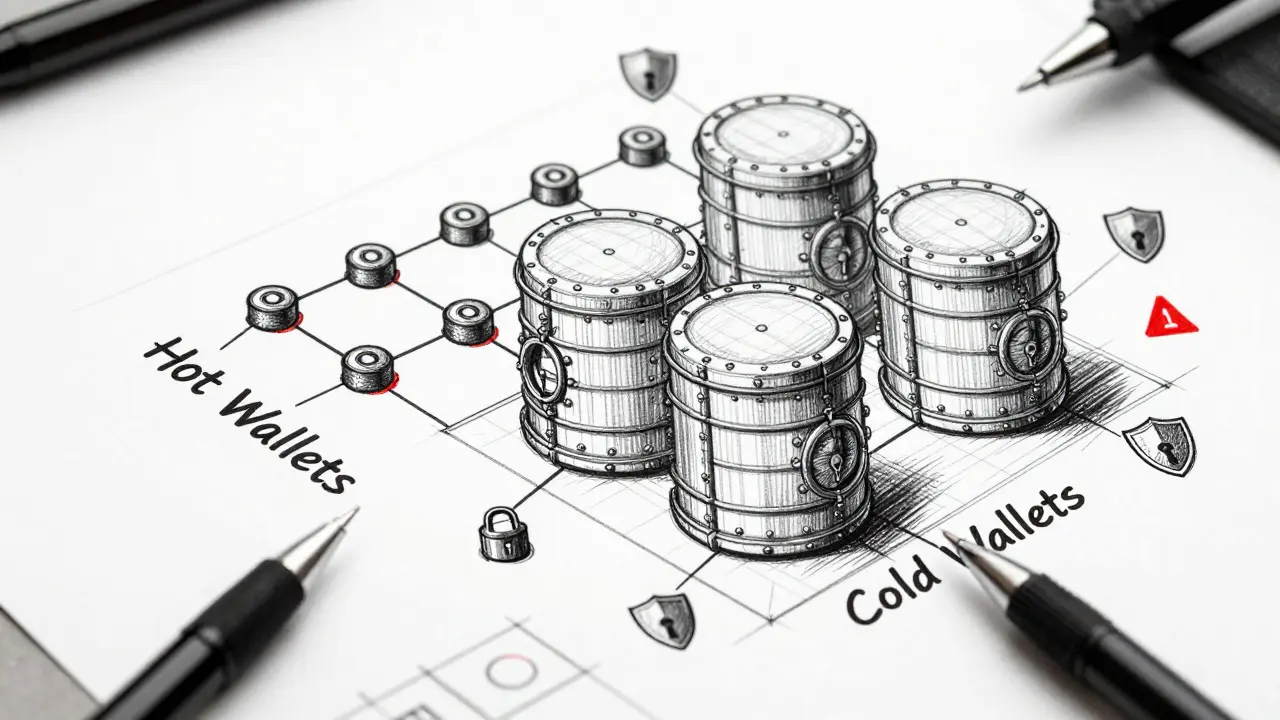
They use a multi-tier wallet architecture. This means they don’t keep all your money in one hot wallet connected to the internet. Instead, they split funds between:
- Hot Wallets: Small amounts kept online for immediate withdrawals.
- Cold Wallets: The majority of funds stored offline, disconnected from the internet.
- Operation Wallets: Intermediate layers for processing.
This is the industry standard for a reason. If hackers breach the system, they only get access to the small amount in the hot wallet. Dcoin also employs intelligent monitoring systems that automatically suspend transfers if suspicious behavior is detected. They use DDoS defense systems to keep the site online during attacks and encrypt user data with remote disaster tolerance features.
One user review on MyFxbook specifically praised these solid security features. However, remember that no system is 100% unhackable. The best security practice remains using two-factor authentication (2FA) on your account and keeping your email secure. Even if the exchange is safe, a weak password can still compromise your personal access.
User Experience and Interface
You can have the best security in the world, but if the interface is confusing, you’ll make mistakes. Dcoin aims for a beginner-friendly design while offering depth for pros. From user feedback, the interface is described as clean and intuitive. Charts are clear, and the order placement process is straightforward.
But there are glitches. Several users have reported occasional lag in the mobile app during periods of high traffic. In crypto, seconds matter. If the app freezes when Bitcoin is dumping, you might miss your exit strategy. Also, the lack of push notifications for price alerts is a notable gap. Most modern exchanges send you a ping when a price hits your target. On Dcoin, you might have to manually check the app, which is inconvenient.
Customer support is available via live chat, email, and a Help Center. They also maintain active social media channels on Twitter, Telegram, and Reddit. Responsiveness seems generally positive, but during peak crisis times, support queues can get long across all exchanges.
Legitimacy Warning: Watch Out for Clones
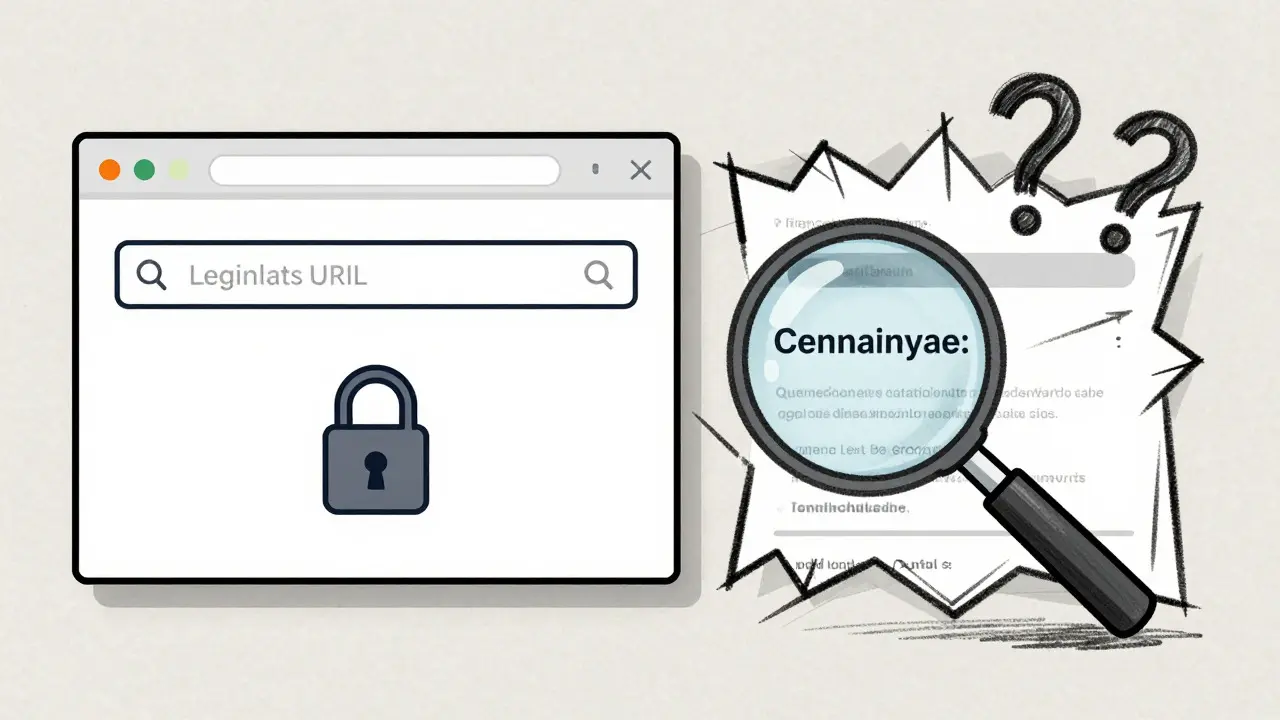
Here is where things get tricky. There is a massive confusion around the name "Dcoin." The legitimate exchange operates at dcoin.com. However, there are fraudulent clones.
The Malta Financial Services Authority (MFSA) issued a formal warning about a site called Dcoin FX (dcoinfx.com). This is a scam. It copies the branding of a legitimate Maltese company called Deriv Investments (Europe) Limited to deceive people. The MFSA explicitly stated that Dcoin FX is NOT authorized and has NO association with the real entities. Always double-check the URL. If it’s not dcoin.com, you are likely walking into a trap.
Additionally, there are other tokens with the ticker "DCOIN" on different blockchains, like Solana. Don’t confuse the exchange platform with these standalone meme or utility tokens. They are completely different things.
Geographic Restrictions: Can You Use It?
Not everyone can trade on Dcoin. The most significant restriction is for users in the United States. Dcoin explicitly does not accept US-based investors. This is due to the complex regulatory environment in the US regarding crypto derivatives and securities.
If you are in Europe, Canada, Australia, Brazil, or parts of Asia, you are likely fine. The exchange pursues compliance in these regions. However, regulations change fast. Always check the latest terms of service for your specific country. If you are in New Zealand, for instance, you should verify if the platform currently holds the necessary licenses to operate locally, as the regulatory landscape shifts frequently.
How Does Dcoin Compare to Competitors?
To put Dcoin in perspective, let’s compare it briefly with some better-known alternatives.
| Feature | Dcoin | Binance | Coinbase |
|---|---|---|---|
| US Availability | No | Yes (Limited) | Yes |
| Trading Fees | 0.2% Flat | 0.1% (Lower with BNB) | Variable (Often higher) |
| Asset Variety | Medium | Very High | Low to Medium |
| Derivatives | Yes | Yes | Limited |
| Beginner Friendliness | Good | Moderate | Excellent |
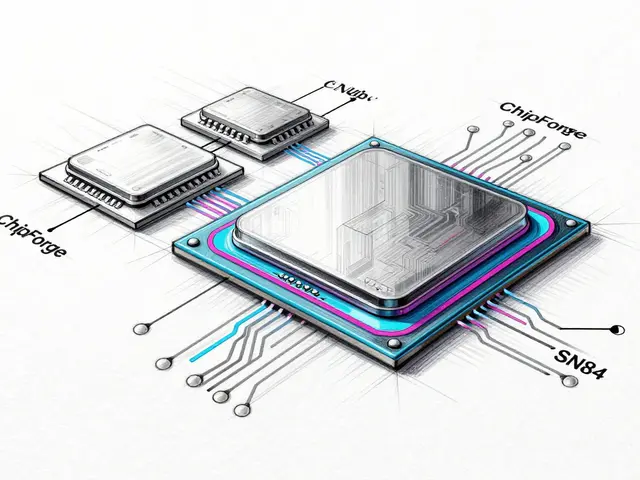
Binance offers more coins and lower fees if you hold BNB, but it faces its own regulatory headaches. Coinbase is safer for US users and very easy to use, but fees can be steep. Dcoin sits in the middle: decent fees, good security, but limited geographic reach and fewer assets than the giants.
Verdict: Should You Trade on Dcoin?
Dcoin is a legitimate exchange with a solid infrastructure, competitive fees, and a focus on security. It’s not a scam, provided you stick to the official website. It works well for traders outside the US who want a straightforward interface and access to derivatives without the complexity of larger platforms.
However, it’s not perfect. The mobile app can lag, fiat on-ramps are limited, and the lack of US support restricts its audience. If you are a beginner, start small. Test the withdrawal process with a tiny amount first to ensure everything works smoothly for your region. And always, always enable two-factor authentication.
Is Dcoin a scam?
No, the legitimate Dcoin exchange (dcoin.com) is not a scam. It is a registered entity with a track record since 2018. However, beware of fraudulent clone sites like Dcoin FX (dcoinfx.com), which the Malta Financial Services Authority has warned against. Always verify the URL.
Can US citizens use Dcoin?
Currently, no. Dcoin explicitly restricts access for investors based in the United States due to regulatory reasons. Users from Europe, Canada, Australia, and other supported regions can use the platform.
What are the trading fees on Dcoin?
Dcoin charges a flat fee of 0.2% for both Maker and Taker orders. Deposits are free, while withdrawal fees vary depending on the specific cryptocurrency and blockchain network conditions.
Is Dcoin safe for storing crypto?
Dcoin uses industry-standard security measures, including cold storage for the majority of funds, multi-signature wallets, and DDoS protection. While no exchange is 100% immune to hacks, their security protocols are robust. For maximum safety, consider withdrawing large holdings to a personal hardware wallet.
Does Dcoin have a mobile app?
Yes, Dcoin offers mobile applications for both Android (via Google Play) and iOS (via Apple Store). Users have noted that the app is generally functional but may experience lag during periods of extremely high market volatility.