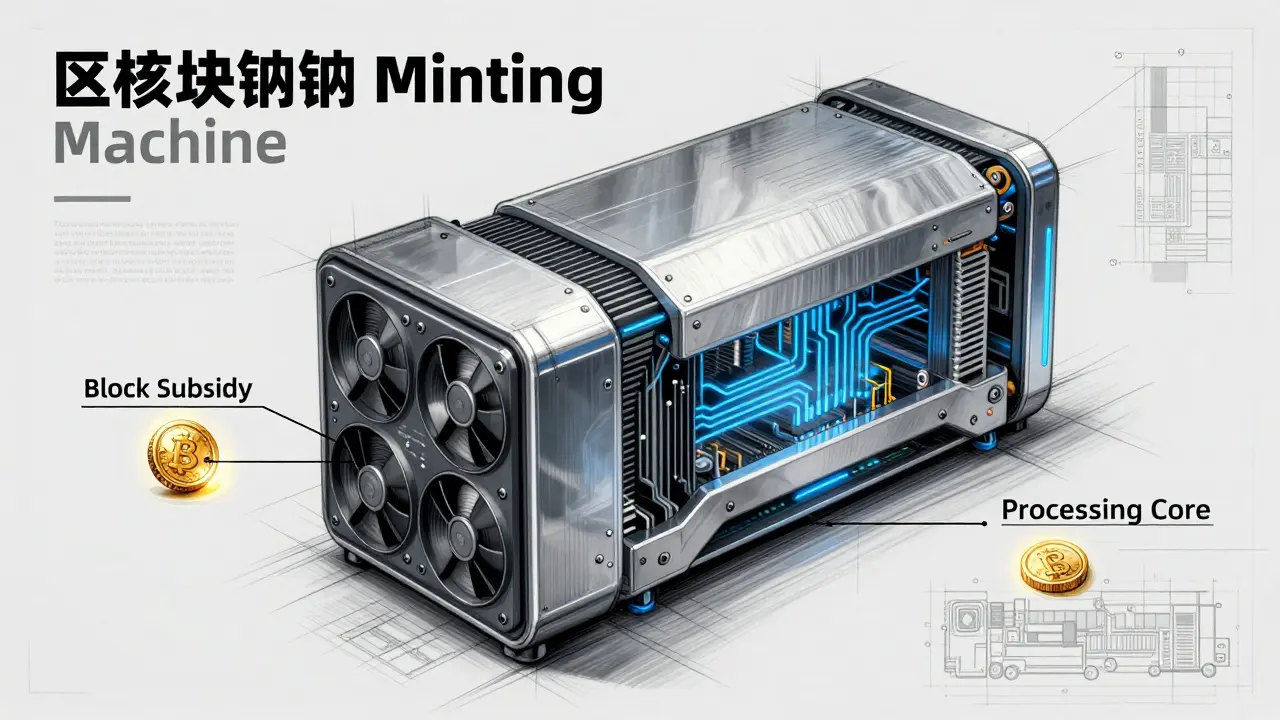
Imagine you're running a massive industrial warehouse that processes thousands of deliveries a minute. To keep the lights on and the staff paid, you need a steady stream of cash. In the world of blockchain, miners and validators are those warehouse workers. They spend enormous amounts of electricity and computing power to keep the network secure. But why would anyone do that? They do it for the payout. This payout comes from two very different places: block reward is the total compensation given to a miner or validator for successfully adding a new block of transactions to the blockchain.
Most people think miners just "get free coins," but the reality is a delicate balancing act between newly minted currency and the small tips paid by users. If the balance shifts too far in one direction, the network could become insecure or too expensive to use. Understanding the tug-of-war between subsidies and fees is the key to understanding why Bitcoin prices fluctuate and why Ethereum changed its entire engine a few years ago.
The Two Halves of the Paycheck
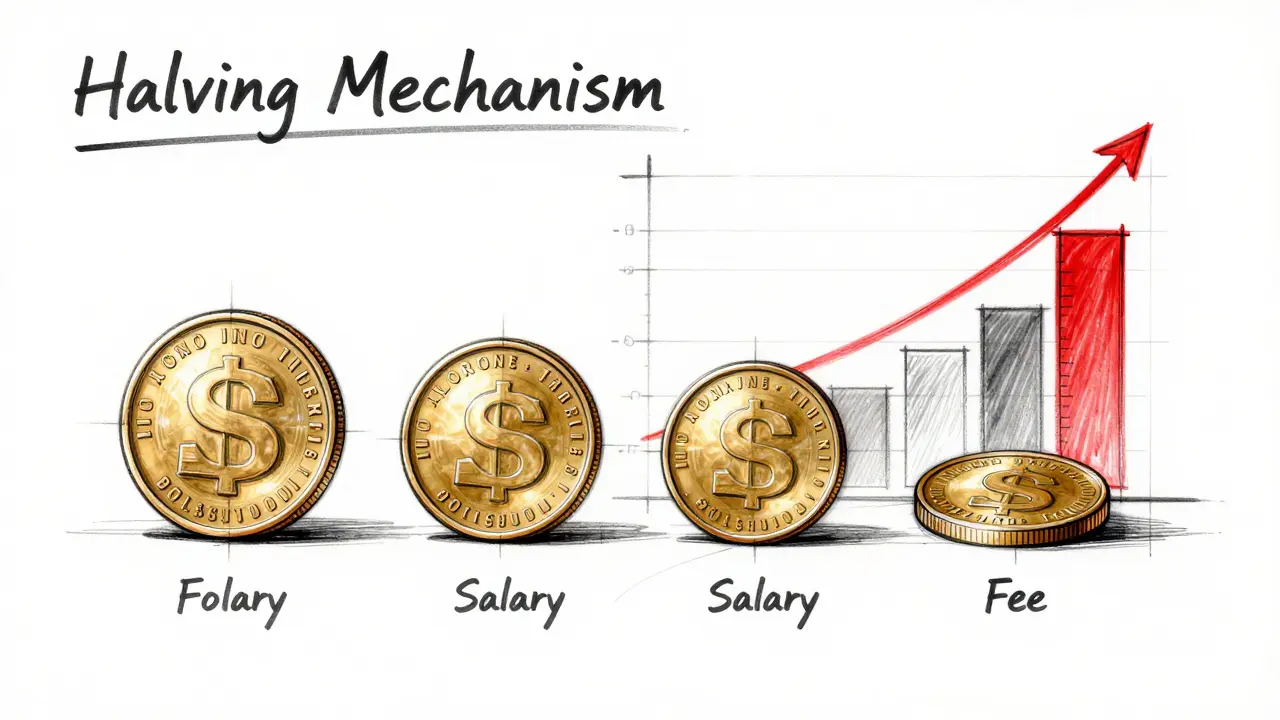
A block reward isn't a single payment; it's a bundle. Think of it like a salary (the subsidy) and a performance bonus (the fees).
First, there is the block subsidy. This is the "new money" created by the network. When a miner solves the complex mathematical puzzle required to close a block, the protocol literally mints new coins out of thin air and gives them to that miner. This is the primary way coins enter circulation. In the early days of Bitcoin, this was a generous 50 BTC per block, acting as a massive magnet to attract people to secure the network.
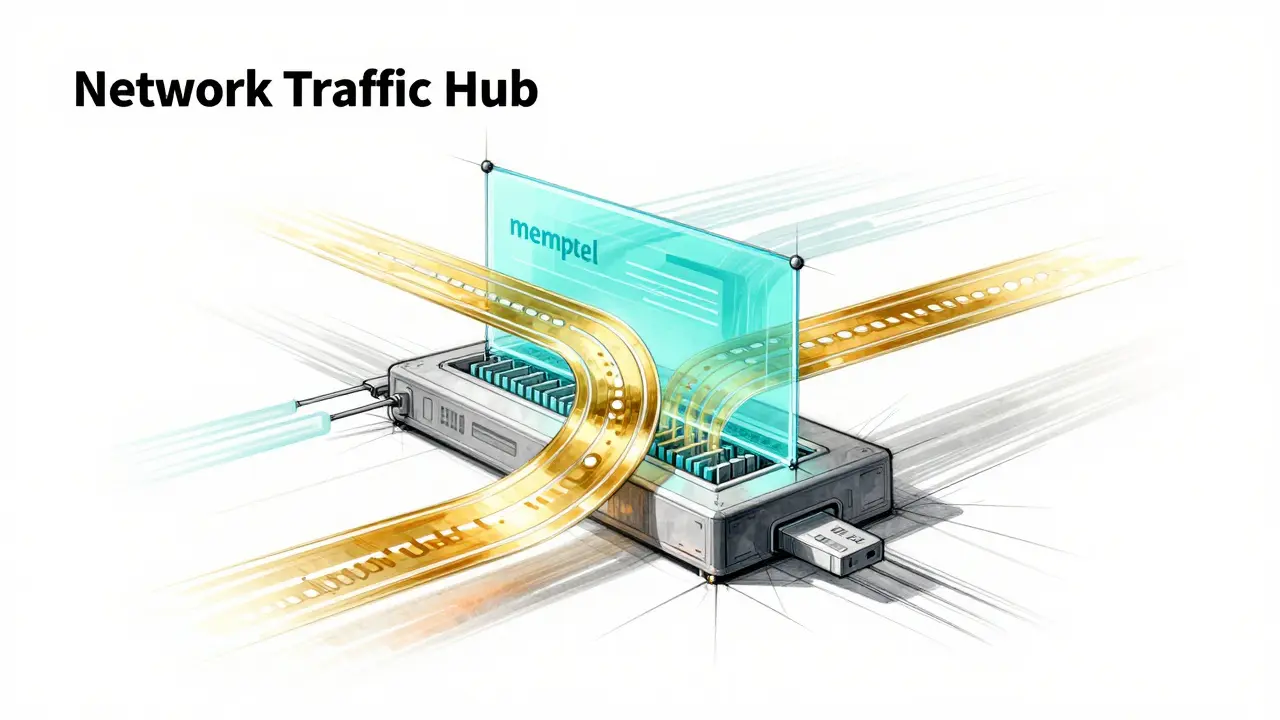
Then there are the transaction fees. Every time you send crypto to a friend or an exchange, you attach a small fee. This isn't a tax paid to a government; it's a direct payment to the miner. If you're in a rush, you pay a higher fee to jump the line. The miner, acting in their own self-interest, will look at the "waiting room" (known as the mempool) and pick the transactions that pay the most to maximize their earnings.
The Halving: Why Subsidies Eventually Disappear
Bitcoin has a very strict monetary policy. To prevent inflation and ensure there are only 21 million coins, the network uses a mechanism called the "halving." Every four years, the block subsidy is cut in half. We went from 50 to 25, then 12.5, then 6.25, and so on. By the year 2140, the subsidy will hit zero.
This creates a massive economic shift. Early on, miners didn't care much about transaction fees because the subsidy was so huge. But as the subsidy shrinks, the "salary" disappears, and miners must rely more on the "bonuses." This is where the long-term security of the network is tested. If the block subsidy is gone, will transaction fees alone be enough to pay for the electricity required to keep the network safe? If fees are too low, miners might turn off their machines, leaving the network vulnerable to attacks.
| Feature | Block Subsidy | Transaction Fees |
|---|---|---|
| Source | Newly minted coins (Inflationary) | Existing coins paid by users (Recycled) |
| Predictability | Fixed by protocol/schedule | Volatile based on network traffic |
| Primary Goal | Initial network bootstrap & growth | Long-term security sustainability |
| Trend Over Time | Decreases every 4 years (Bitcoin) | Increases as network usage grows |
When the Market Flips: The Chaos of Network Congestion
Usually, the subsidy is the bigger piece of the pie. But every now and then, the network gets slammed. During the 2017 bull run, Bitcoin saw a level of activity that flipped the script. On December 22, 2017, transaction fees actually made up about 78% of the total reward, while the subsidy provided only 22%. On that single day, fees totaled over 7,200 BTC-nearly four times the amount of new coins being minted.
For a user, this is a nightmare. If you set a "low" fee during these spikes, your transaction might sit in the mempool for days. Experienced users often use tools like mempool.space to check the current "going rate" before sending funds. This fee market is essentially a real-time auction for block space. If you want your transaction in the next block, you have to outbid everyone else.
Different Philosophies: Bitcoin vs. Ethereum
Not every blockchain handles rewards the same way. Ethereum took a radically different path when it moved to Proof-of-Stake (PoS). Instead of miners using hardware to solve puzzles, Ethereum uses validators who "stake" or lock up their ETH to secure the network.
In the PoS model, the "block reward" is a staking reward. But here is the kicker: Ethereum introduced a "fee burning" mechanism. Instead of giving all the transaction fees to the validator, a portion of the fee is permanently destroyed (burned). This removes ETH from the total supply, potentially making the currency deflationary if the network is busy enough. This means Ethereum's security doesn't rely on the same "subsidy-to-fee" transition that Bitcoin does; it relies on the value of the staked assets and a more complex relationship between issuance and burning.
The Long-Term Security Gamble
The big question for the next decade is whether a network can survive on fees alone. Research from groups like River Financial suggests that fees are the only way to ensure a blockchain doesn't eventually die out. If the subsidy drops to nearly zero, the only reason a company would spend millions on hardware is if the transaction fees are high enough to cover the electricity bill.
This creates a paradox: high fees are bad for users (who want cheap transactions) but good for security (because they keep miners paid). If fees are too low, miners leave, the hash rate drops, and the network becomes easier to hack. The hope is that as more people use blockchain for things like Layer 2 scaling or institutional settlements, the volume of transactions will make up for the lack of new coins.
Practical Tips for Managing Your Fees
If you're moving crypto, don't just click "medium" or "fast" in your wallet and hope for the best. Depending on the network, you can get stuck in a transaction limbo. Here are a few rules of thumb:
- Check the Mempool: Before sending a large amount, look at a block explorer. If the current blocks are full and fees are spiking, wait a few hours.
- Understand the Trade-off: A low fee doesn't mean your transaction is cancelled; it just means you're at the back of the line. If the network gets busier, you might be pushed back even further.
- Use Layer 2s: For frequent, small transactions, using a Layer 2 solution (like the Lightning Network for Bitcoin) removes the need to compete in the main-chain fee market.
What happens if I set my transaction fee too low?
Your transaction will enter the mempool (the waiting area). Miners prioritize transactions with higher fees to maximize their reward. If your fee is too low, miners may ignore your transaction indefinitely until network traffic drops or you use a tool to "bump" the fee (Replace-By-Fee).
Do all cryptocurrencies have a halving event?
No. Halving is a specific monetary policy chosen by Bitcoin to create scarcity. Other coins may have a fixed issuance rate, a different decay curve, or no cap on supply at all, as is the case with Ethereum's more flexible issuance model.
Why are transaction fees so high during bull markets?
Block space is limited. Each block can only hold a certain amount of data. When millions of people try to move their coins at once, they compete for that limited space by offering higher and higher fees, driving the price up in a real-time auction.
Is the block reward the same as the transaction fee?
No. The block reward is the total payment. It consists of the block subsidy (newly created coins) PLUS all the transaction fees from the transactions included in that specific block.
How does Ethereum's fee burning help the network?
Burning a portion of the fee reduces the total supply of ETH. If more ETH is burned than is created through staking rewards, the currency becomes deflationary, which can increase the value of the remaining coins over time.



Surender Kumar
12 April, 2026 . 04:06 AM
this is a realy cool breakdown of how the money flow works behind the scenes
7stargee Emmanuel Obani
13 April, 2026 . 13:34 PM
basically just a way to keep us paying high fees while the rich get richer lol 🙄
Jason Davis
13 April, 2026 . 13:40 PM
The L2 solutons like Lightning are absoluteley the way to go for retail. It's the only way this system stays usable if we ever reach mass adoptin without paying a whole coffee's worth in fees for a tiny transfer.
Kelly Cantrell
13 April, 2026 . 15:10 PM
It's funny how they talk about "security" when the real goal is just total financial surveillance and control. These "rewards" are just lures to get people to build the very infrastructure that the globalist elite will eventually seize once they've phased out the dollar. Don't be fooled by the technical jargon; the house always wins and they're just waiting for the right moment to flip the switch on all of us.
Prasanna Shembekar
14 April, 2026 . 14:23 PM
omg the stress of a pending tx is literally a nightmare i can't even handle it
Hope Johnson
15 April, 2026 . 07:55 AM
When we contemplate the transition from a subsidy-based model to a fee-based one, we are essentially discussing the evolution of a digital social contract. It is fascinating to consider how the incentive structures shift from the early 'pioneer' phase, where new coins rewarded the brave and the technologically adept, to a more sustainable 'utility' phase where the network's value is derived purely from its actual use-case. This mirrors the way many natural ecosystems transition from rapid, unsustainable growth to a steady state of equilibrium, and I believe that embracing Layer 2 solutions is not just a technical necessity, but a philosophical shift toward making this technology inclusive for the global population regardless of their socioeconomic status. If we want a truly decentralized future, the barrier to entry-including the cost of a transaction-must be low enough that it doesn't exclude the very people who need these systems the most, which is why the tension between security and accessibility is the most critical debate in the space right now.
Artavius Edmond
16 April, 2026 . 12:59 PM
Totally agree with the point about the Paradox. It's a wild balancing act but that's what makes the tech interesting!
Lela Singh
18 April, 2026 . 04:27 AM
Mempool.space is a total lifesaver! Absolute gold for anyone who hates wasting coins on guesswork!
Agnessa Dale
18 April, 2026 . 06:31 AM
It's so exciting to see how these systems evolve to stay secure over time!
Swati Sharma
18 April, 2026 . 09:00 AM
The integration of the EIP-1559 mechanism in Ethereum effectively optimizes the gas price volatility by introducing a base fee that is burned, which significantly mitigates the inflationary pressure on the circulating supply while maintaining the necessary incentive for validator participation via the priority fee.
ssjuul z
18 April, 2026 . 20:18 PM
Let's keep the discussion productive and focused on the tech! 🚀 This is a great way to learn the basics without getting overwhelmed.
Stanly Hayes
19 April, 2026 . 16:53 PM
Who cares about the 'paradox' when the prices are swinging like crazy anyway? Just ride the wave or get out of the way!
Rebecca Violette
20 April, 2026 . 10:56 AM
i just feel like the halving is so scarry for my portfolio like what if it just crashes
Rima Dinar
20 April, 2026 . 14:03 PM
I really want to encourage everyone to take a step back and realize that while the technical side of block rewards and fees can seem daunting at first, it is actually the most rewarding part of the learning process because once you understand the 'why' behind the halving, you start to see the beauty in the long-term vision of a decentralized economy that doesn't rely on a central bank to print money, and if you just keep reading and experimenting with small amounts of crypto, you will eventually find that the fee market isn't as scary as it seems when you have the right tools and a bit of patience to guide you through the process.