Have you seen ads promising daily rewards for holding a specific cryptocurrency? You might have come across CPCoin. It sounds simple: buy the coin, hold it in their wallet, and watch your balance grow. But if you’ve spent any time in the crypto space, you know that promises of easy money usually come with heavy caveats. Let’s look at what CPCoin actually is, how it works, and why experts are raising serious red flags.
What is CPCoin (CPC)?
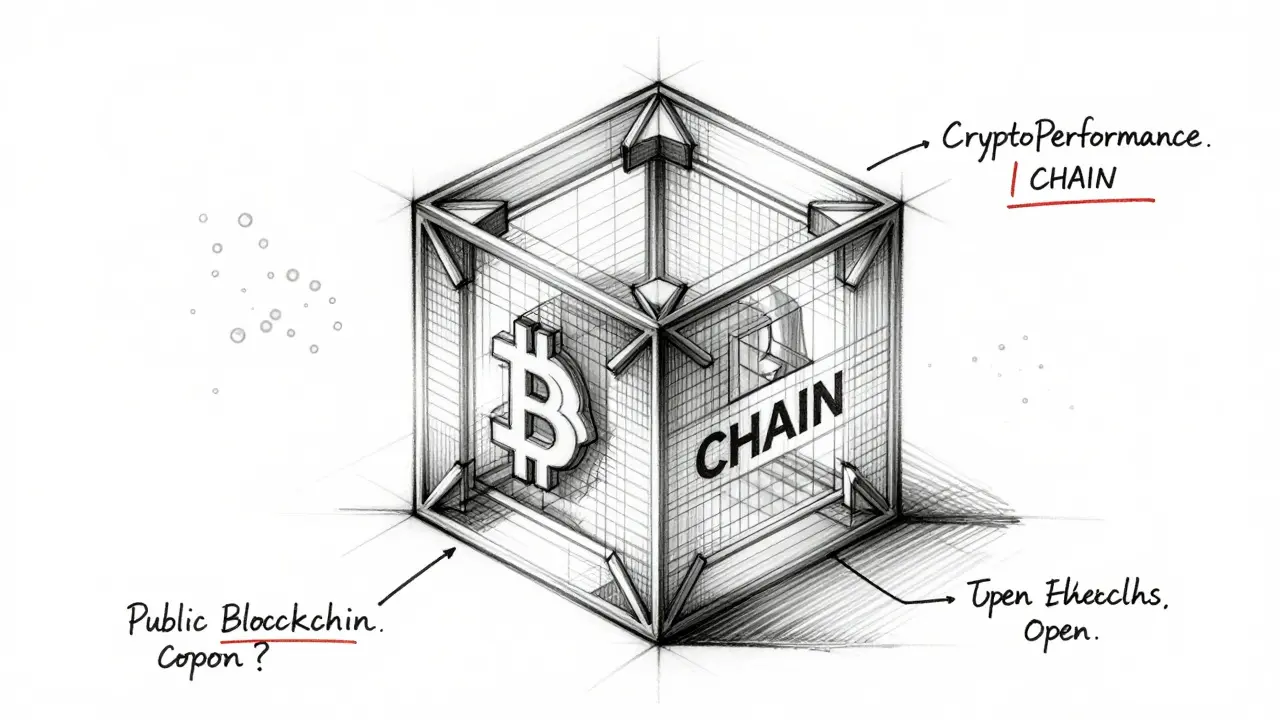
CPCoin (CPC) is the native utility token of the CryptoPerformance Group. Unlike Bitcoin or Ethereum, which run on public, open-source blockchains, CPC operates on a proprietary system called the CryptoPerformance CHAIN. The project launched around 2020, but it didn’t go through a traditional Initial Coin Offering (ICO). Instead, the team privately funded the initial supply and distributed tokens directly to users’ wallets.
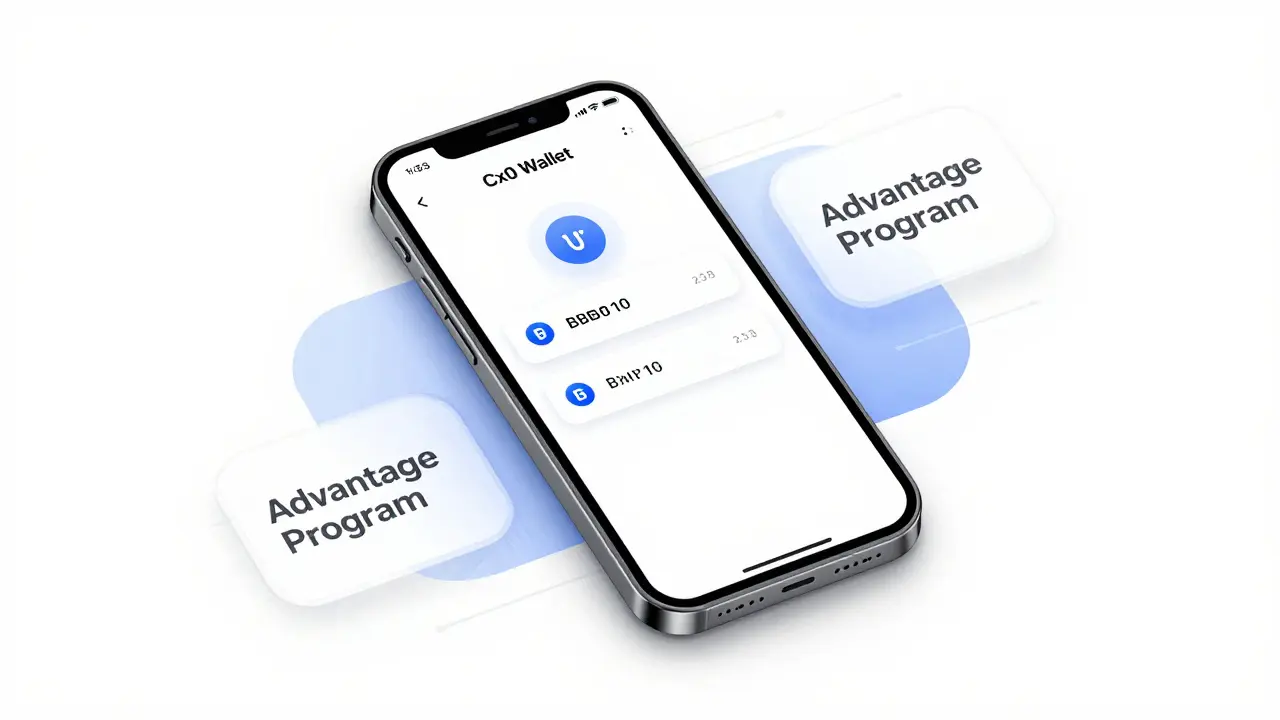
The main selling point of CPC is its "Advantage Program." This feature allows holders to store their coins in the official Cx0 Wallet and potentially earn daily rewards. In theory, this acts like a staking mechanism where you get paid just for holding the asset. However, this model relies entirely on the internal ecosystem of the CryptoPerformance Group, meaning you can’t easily move these rewards out or trade them on major exchanges without friction.
How Does the Technology Work?
The technical claims surrounding CPCoin are ambitious but confusing. The CryptoPerformance Group states that their blockchain processes up to 5,000 transactions in under 15 seconds per block. They emphasize speed, security, and low fees. Some documentation even labels it as a Proof-of-Stake (PoS) system similar to Ethereum’s modern consensus mechanism.
However, there’s a contradiction here. Major exchanges and independent auditors often describe the CryptoPerformance CHAIN as a closed ledger rather than a true decentralized blockchain. If the network isn’t truly open-source or verified by independent nodes, those speed metrics are hard to verify. For context, Bitcoin processes about 7 transactions per second, while Ethereum handles roughly 15-30 natively (with Layer 2 solutions boosting this significantly). Claiming 5,000 TPS without third-party verification is a bold statement that requires proof.
| Feature | CPCoin (CPC) | Bitcoin (BTC) | Ethereum (ETH) |
|---|---|---|---|
| Consensus Mechanism | Proprietary / PoS Claimed | Proof-of-Work | Proof-of-Stake |
| Blockchain Type | Private/Closed | Public/Open | Public/Open |
| Market Cap Rank (Dec 2025) | #1,564+ | #1 | #2 |
| Liquidity | Very Low ($464k/day) | Extremely High | Extremely High |
| Exchange Listings | Limited (Not on Binance) | All Major Exchanges | All Major Exchanges |
Tokenomics and Supply Issues
This is where things get tricky. According to data from late 2025, CPCoin has a total supply of 250 million tokens. Yet, multiple sources, including Binance and Liquidity Finder, report a circulating supply of zero. How can a coin be trading if none are in circulation?
This discrepancy suggests either severe reporting errors or potential market manipulation. When a project shows active trading but lists zero circulating supply, it often indicates that the tokens are locked, controlled by insiders, or that the data feeds are inaccurate. In healthy cryptocurrencies, the circulating supply represents the coins available for public trading. A gap this large raises questions about who actually controls the assets.
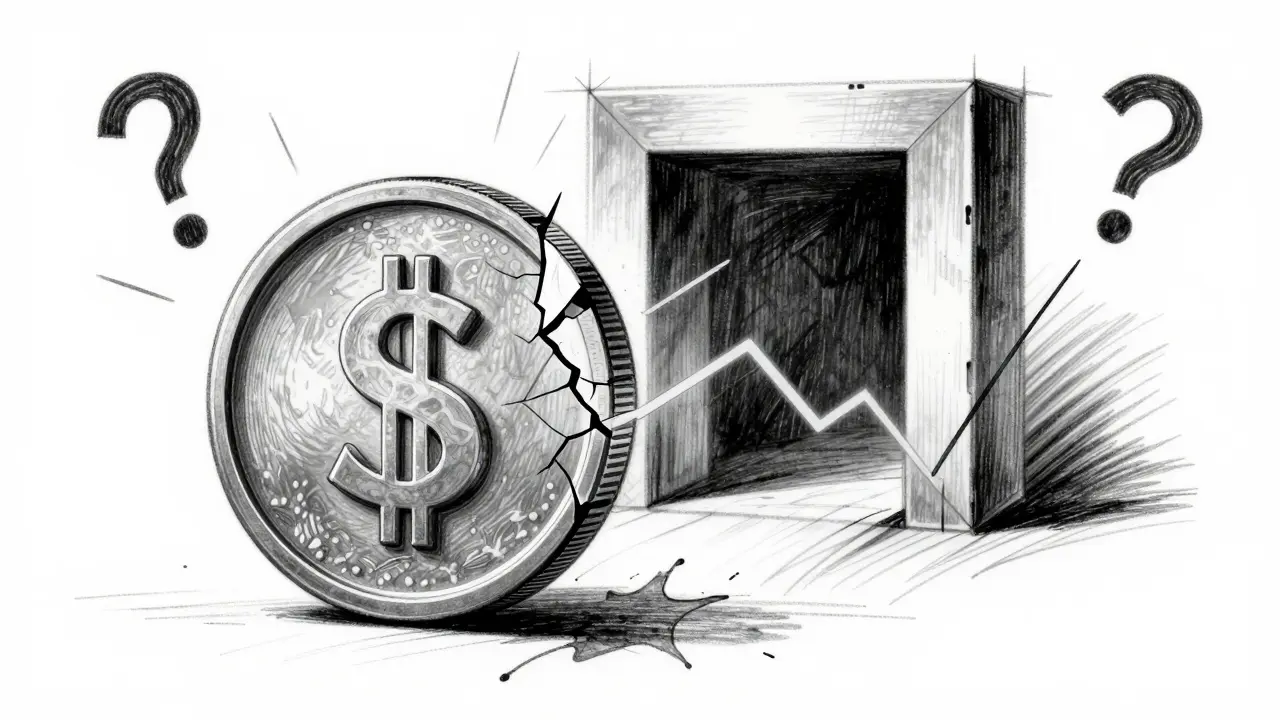
Furthermore, the price history is volatile. CPC reached an all-time high of roughly $9.42 in early 2021. By December 2025, it was trading around $0.08. That’s a decline of over 99%. While many altcoins crash, such a steep drop combined with liquidity issues makes recovery unlikely without significant new adoption-which hasn’t materialized.
Risks and Red Flags
If you’re considering buying CPCoin, you need to understand the risks. Here are the most concerning issues reported by users and analysts:
- Withdrawal Problems: Numerous user reviews on Trustpilot cite difficulties withdrawing funds. Users report seeing balances in their Cx0 Wallet but being unable to transfer them out due to "insufficient funds" errors or hidden fees.
- Poor Customer Support: Response times for support tickets average nearly 19 days. In crypto, where markets move fast, waiting three weeks for help is unacceptable.
- Lack of Transparency: The proprietary nature of the blockchain means outsiders can’t independently verify transaction speeds or security claims. Blockchain expert Dr. Sarah Chen noted in the IEEE Blockchain Journal that projects claiming extraordinary performance without verifiable benchmarks should be treated with skepticism.
- Regulatory Scrutiny: Reports suggest the U.S. Securities and Exchange Commission (SEC) opened an inquiry into the CryptoPerformance Group’s distribution model in late 2025. No formal charges were filed yet, but regulatory attention is never a good sign for small-cap tokens.
- Limited Exchange Presence: CPC is not listed on major tier-1 exchanges like Binance or Coinbase Pro. This limits your ability to sell quickly and exposes you to higher slippage when trading on smaller platforms.
User Experience and Community Sentiment
The community around CPCoin is small and heavily moderated. On Reddit, critical comments in the official subreddit are often removed, making it hard to gauge genuine user sentiment. Independent analytics firms report that over 80% of negative posts are filtered out.
On Trustpilot, the average rating sits at 1.2 out of 5 stars based on dozens of verified reviews. Common complaints include:
- High processing fees that aren’t clearly disclosed.
- Unresponsive customer service.
- Discrepancies between displayed wallet balances and actual withdrawable amounts.
Positive reviews exist, mostly praising the Advantage Program’s initial payouts. However, many of these users later report that the payments stopped after a few weeks, leaving them unable to retrieve their principal investment.
Is CPCoin a Good Investment?
Based on current data, CPCoin does not appear to be a safe or reliable investment. It lacks the transparency, liquidity, and decentralization that define successful cryptocurrencies. The extreme price drop, coupled with withdrawal issues and regulatory inquiries, points to high risk.
If you already hold CPC, consider carefully whether you can withdraw your funds. Try transferring small amounts to test the process before committing more capital. If you’re thinking of buying, ask yourself: Do I trust a private company with my money more than I trust established, open-source networks like Bitcoin or Ethereum?
Alternatives to Consider
If you’re interested in earning rewards for holding crypto, there are safer alternatives:
- Ethereum Staking: Earn yields by securing the Ethereum network through reputable providers.
- Solana DeFi: Participate in decentralized finance protocols that offer transparent APY rates.
- Stablecoin Yield: Use regulated platforms to earn interest on USDC or USDT, reducing volatility risk.
These options provide clear terms, independent audits, and easy exit strategies. They may offer lower returns than CPC’s promised "daily rewards," but they also protect your capital.
Is CPCoin a scam?
While no court has declared CPCoin a scam, it exhibits several warning signs associated with fraudulent projects, including opaque tokenomics, withdrawal issues, and lack of third-party audits. Always exercise extreme caution.
Where can I buy CPCoin?
CPCoin is not listed on major exchanges like Binance or Coinbase. It trades on smaller, less liquid platforms. Be aware that low liquidity means you may struggle to sell your holdings at a fair price.
What is the Advantage Program?
The Advantage Program is a feature within the CryptoPerformance ecosystem that promises daily rewards for holding CPC in the Cx0 Wallet. However, users report inconsistent payouts and difficulty accessing these rewards.
Why is the circulating supply listed as zero?
This likely reflects a data error or intentional obfuscation. A circulating supply of zero contradicts active trading volume and suggests that token distribution is not transparently tracked.
Can I withdraw my CPCoin?
Many users report significant difficulties withdrawing funds. If you hold CPC, attempt small withdrawals immediately to test functionality. Do not assume your funds are accessible.