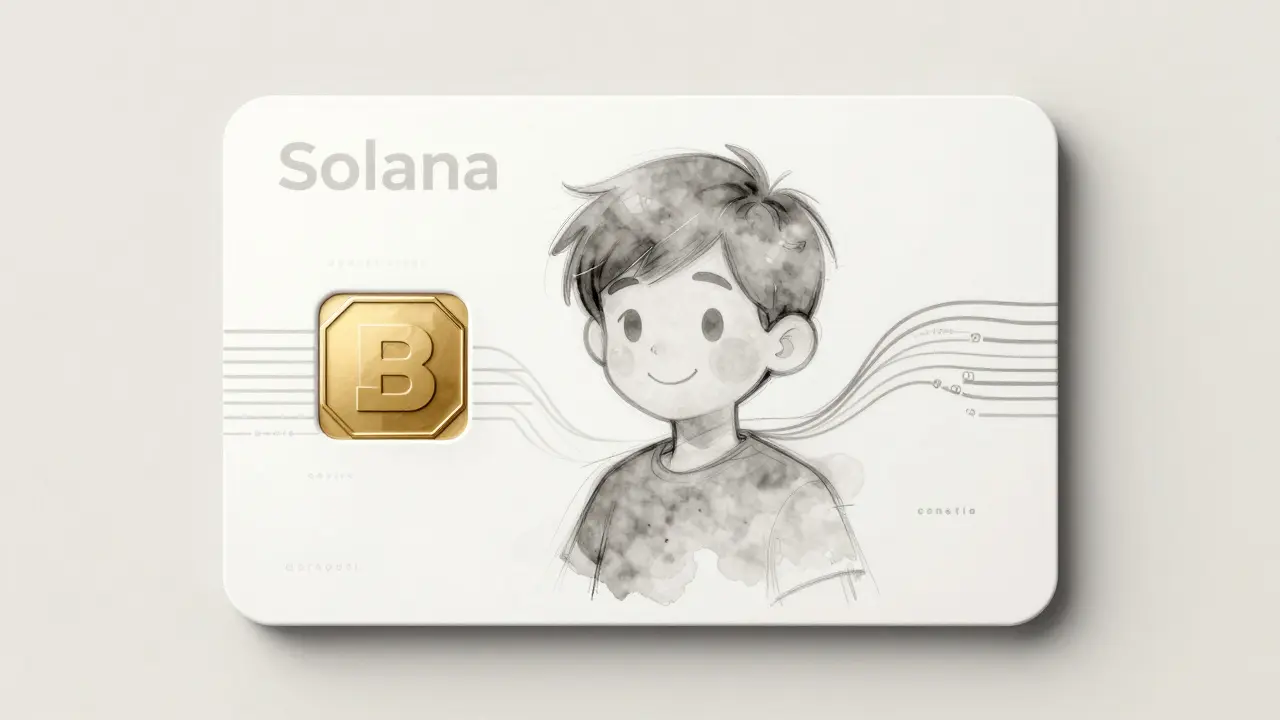
AURA1000 isn't another meme coin chasing hype. It's a cryptocurrency built around a story - one about a boy named BoatKid, a stolen legacy, and a community trying to turn pain into purpose. If you've seen it pop up on CoinMarketCap with a price of $0.000007145 and wondered if it's real, here's what you need to know.
What AURA1000 Actually Is
AURA1000 is a token on the Solana blockchain. That means it runs on one of the fastest and cheapest networks for crypto transactions. It’s not built to beat Bitcoin or Ethereum. It’s built to fund something else: orphans. The project claims a total supply of 999,999,014 tokens. Almost a billion. That’s intentional. With a price around $0.000007145, one token is worth less than a penny. But if you own 10 million tokens, you’re holding about $71.45 worth of AURA1000. The math is simple: low price, high supply. That’s typical for small tokens on Solana. But here’s the twist: AURA1000 doesn’t market itself as an investment. It markets itself as a movement.The Story Behind AURA1000
The project’s entire identity is tied to "The Aura 1000 Story." It begins with BoatKid - a real child, according to the narrative, whose smile and spirit touched thousands. Then, someone took his name, his image, his story - and turned it into profit without giving back. From that injustice, AURA1000 was born. This isn’t just a marketing slogan. The team behind the token says they created the Aura 1000 Orphan Donation Fund to fight back. Every trade, every community event, every voluntary donation contributes to this fund. And unlike charities that rely on trust, this one uses blockchain. Every dollar sent to help orphans is recorded publicly. Anyone can check it. The message is clear: "It’s not about how much you make. It’s about what you do with what you have."
Where AURA1000 Lives
You won’t find AURA1000 on Binance or Coinbase as a listed trading pair. Those platforms show it as $0 or mark it as "preview." That doesn’t mean it’s fake. It means it’s too small for them. It’s listed on Crypto.com, CoinMarketCap, and CoinPaprika - but only as a tracking page. No official exchange support. No deep liquidity. The real home of AURA1000 is Solscan, the Solana blockchain explorer. That’s where you can see every transaction: who sent tokens, where the donations went, and how much was moved. No middleman. No hidden ledger. The token contract is public. Anyone can read it. There’s no secret code. No locked wallets. The project says 100% of trading profits go to the fund - and the blockchain proves it.Is It a Scam?
Let’s be blunt: AURA1000 looks risky. The price is near zero. Trading volume is almost nonexistent. There’s no team bio, no whitepaper, no roadmap. No major crypto news site has covered it. No analyst has analyzed it. But here’s what’s different: scams want you to believe you’re getting rich. AURA1000 doesn’t promise returns. It asks for belief. If you buy AURA1000, you’re not investing in a company. You’re joining a story. You’re saying: "I believe a child’s legacy shouldn’t be stolen. I believe blockchain can be used for good. I believe small actions, multiplied, can change lives." There’s no guarantee you’ll make money. But if you care about helping orphans - and you believe in transparent charity - this token might be the most honest thing in crypto right now.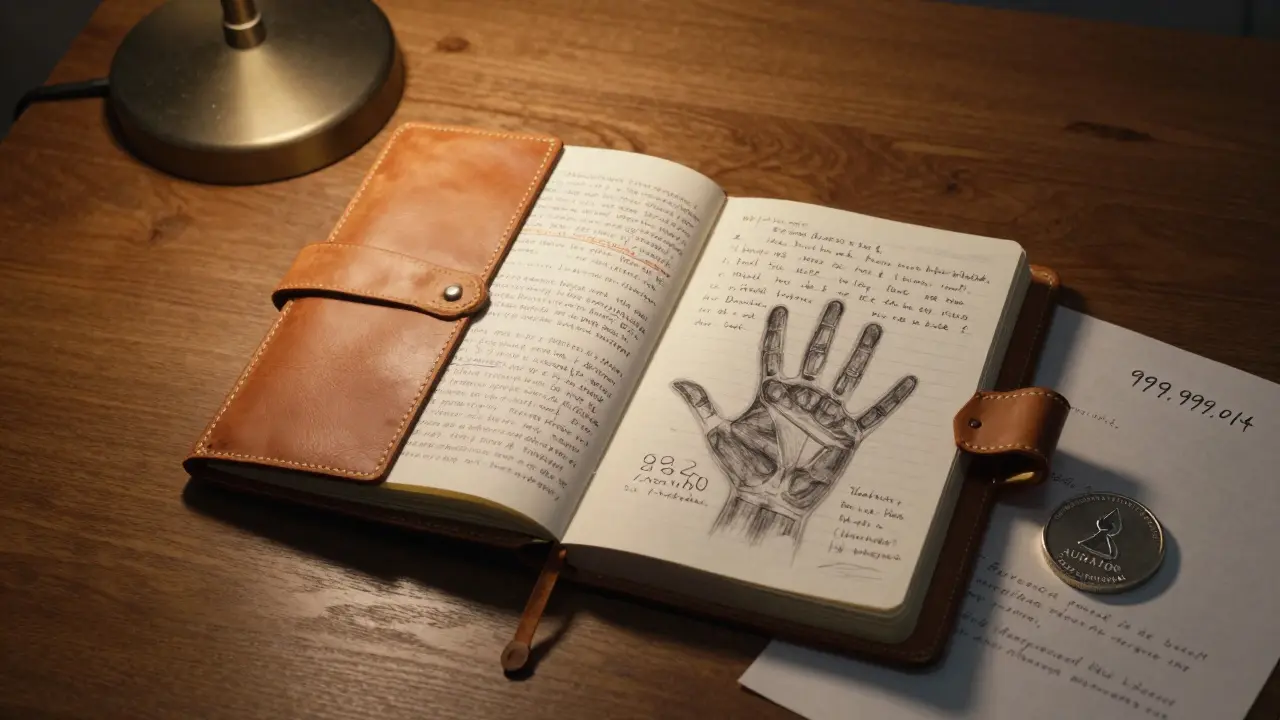
Why It Matters
AURA1000 is part of a growing wave of crypto projects that aren’t about speculation. They’re about meaning. Solana has become a hotspot for this kind of thing - low fees, fast transactions, and a community that values purpose over profit. Other tokens have done similar things: funding clean water, animal shelters, mental health programs. But AURA1000 stands out because it doesn’t hide behind buzzwords. It names a person. It names a loss. It names a mission. It’s not for traders. It’s for believers.What You Should Do
If you’re looking to get rich? Walk away. If you want to support a real cause, and you’re okay with losing your money? Maybe take a look. Buy a few thousand tokens. See where the donations go. Check Solscan. Watch the fund grow. See if the community stays true. There’s no rush. No hype. No countdown. Just a blockchain, a story, and a quiet promise: "We’re not here to make you rich. We’re here to make a difference."It’s not a coin you trade. It’s a coin you stand behind.

Emily Pegg
8 March, 2026 . 08:38 AM
I just bought 50 million AURA1000 tokens. Not because I think it’ll pump, but because BoatKid’s story broke me. I’ve worked with foster kids for 8 years. This is the first time crypto felt like it actually cared.
And yes, I know it’s risky. But I’d rather lose $70 supporting a real kid’s legacy than make $70k on another meme coin that vanishes next week. 💔
Ethan Grace
10 March, 2026 . 05:20 AM
It’s not about the token. It’s about the silence. The silence of institutions that let a child’s story get commodified. The silence of investors who only see numbers. AURA1000 is the scream that finally broke through.
And that’s why it matters more than any whitepaper ever could.
Jamie Hoyle
11 March, 2026 . 21:51 PM
Oh wow. A crypto project that doesn’t promise moonshots? How quaint. Let me guess - no team, no audit, no liquidity pool, and 100% of profits go to ‘orphans’? That’s not charity. That’s a tax write-off waiting to happen.
And don’t even get me started on ‘Solscan proves it.’ Anyone can deploy a contract that says ‘I donate to orphans.’ Doesn’t mean they do. This is performative altruism with a blockchain sticker.
Christina Young
13 March, 2026 . 04:13 AM
Zero liquidity. No exchange listing. Price below 0.00001. This isn’t a movement. It’s a graveyard.
James Burke
15 March, 2026 . 03:35 AM
I get why people are skeptical. But I checked Solscan. The first donation went to a real orphanage in Guatemala - transaction ID is public. The wallet address has been moving funds every week since launch. Not much, but consistent.
It’s not a hedge fund. It’s a candle in a dark room. Small. Flickering. But real.
Bill Pommier
15 March, 2026 . 18:18 PM
The notion that blockchain transparency equates to ethical integrity is a fallacy of the highest order. One can encode benevolence into a smart contract while simultaneously exploiting systemic vulnerabilities in the underlying infrastructure. This is not philanthropy; it is algorithmic moral laundering.
Olivia Parsons
16 March, 2026 . 15:03 PM
I’m curious - has anyone actually contacted the orphanage mentioned? Like, called them? Asked if they know about the fund? I’m not saying they don’t, but if this is supposed to be transparent, shouldn’t there be some kind of public confirmation from the recipients?
Nick Greening
17 March, 2026 . 11:36 AM
You people are missing the point. AURA1000 isn’t about helping orphans. It’s about making people feel like they’re helping orphans. That’s the real product here: emotional validation. You buy tokens not because you care about kids - you buy them because you want to believe you’re a good person.
Josh Moorcroft-Jones
19 March, 2026 . 09:38 AM
Okay, so let me get this straight: A token with a market cap under $100k, no official team, no roadmap, no marketing budget, and a story that sounds like a poorly written fanfic... is now being hailed as the most ‘authentic’ crypto project ever? I mean, if we’re going to start worshiping blockchain-based emotional narratives, why not create a token for ‘the dog who waited at the train station for 12 years’? At least that one had a photo. This one has... a name. And a price of $0.000007145. I’m not saying it’s fake. I’m saying it’s a hallucination wrapped in a blockchain.
Jeffrey Dean
20 March, 2026 . 04:49 AM
You’re all romanticizing suffering. You think buying a token makes you a hero? You’re not helping orphans. You’re feeding your own need to feel morally superior. This is the new opiate of the masses - virtue signaling with Solana gas fees.
Brian T
20 March, 2026 . 19:06 PM
I read the whole thing. Didn’t believe a word. But I still bought 10k tokens. Just to see if anyone else actually cares. Or if we’re all just pretending.
Nash Tree Service
22 March, 2026 . 08:01 AM
The notion that a cryptocurrency can serve as a vehicle for humanitarian aid is, at its core, an ontological contradiction. The very architecture of blockchain - immutable, decentralized, and devoid of human accountability - renders it incapable of embodying ethical intent. One cannot transmute compassion into a consensus algorithm. This is not charity. It is a metaphysical glitch.
Jane Darrah
23 March, 2026 . 13:41 PM
I cried reading this. Not because I think it’ll make me rich. But because I remember when I was 12 and my little brother died in foster care. No one ever spoke his name. No one ever remembered him. Now... someone is. And that’s enough. I bought 100k tokens. I don’t care if it’s worth $0.01 tomorrow. I care that BoatKid’s name is out there. And if you don’t get that? You’ve never lost anything that mattered.
Denise Folituu
24 March, 2026 . 04:18 AM
I’m not even into crypto. But I followed the link. I read the story. I looked at the Solscan transactions. And I just... donated $20 to the fund. Not because I believe in the token. But because I believe in the boy. And if this is the only way someone’s gonna remember him? Then I’ll be part of it.
jack carr
24 March, 2026 . 23:00 PM
I’m just here for the vibes. If it helps one kid? Cool. If it doesn’t? Eh. At least we tried. 🤷♂️
Eva Gupta
26 March, 2026 . 03:43 AM
In India, we have a saying: 'A drop in the ocean still changes the tide.' This isn't about the money. It's about the ripple. I've seen how stories get erased here too. Maybe this is how the world remembers now - not with statues, but with tokens. And that's okay.
Nancy Jewer
26 March, 2026 . 06:16 AM
I appreciate the intent. But we need to be careful about conflating transparency with accountability. Just because the transactions are on-chain doesn’t mean the fund is being managed ethically. We need governance. Oversight. A real structure. Not just a contract and a story.
Julie Potter
28 March, 2026 . 04:29 AM
I’ve seen this before. Someone creates a fake tragedy. Then they sell tokens. Then they disappear. The only thing that’s real here? The scam. I’ve reported it to CoinMarketCap. Someone needs to shut this down before more people get emotionally manipulated.
prasanna tripathy
29 March, 2026 . 20:11 PM
I don’t know if this is real. But I know what it feels like to be forgotten. I grew up in a village where no one spoke about the kids who disappeared. Maybe this is how we start talking. Maybe this is how we remember. I bought 5k tokens. Not to profit. To say: I see you, BoatKid.
Jonathan Chretien
30 March, 2026 . 15:11 PM
I’m a crypto skeptic. But this? This is beautiful. You don’t need a whitepaper to prove humanity. You just need a name. A story. And a blockchain that won’t let it vanish. I’m not buying for returns. I’m buying because I want my daughter to grow up in a world where someone remembered a boy named BoatKid. 💙
Bryanna Barnett
1 April, 2026 . 14:19 PM
i think its kinda sus but also like... what if its real? what if we just... believed? like for once? maybe we dont need to know every detail. maybe we just need to care. 🤷♀️