Collateralized Debt Position: What It Is and How It Powers DeFi
When you lock up your crypto to borrow more crypto, you’re using a collateralized debt position, a smart contract-based loan where your assets act as security. Also known as a CDP, it’s how platforms like MakerDAO issue stablecoins without banks, and how everyday users earn yield by borrowing against their holdings. No credit check. No middleman. Just code and collateral.
This system runs on three core parts: the asset you lock (like ETH or BTC), the asset you borrow (usually a stablecoin like DAI or USDN), and the over-collateralization rule — you must lock up more than you borrow. If your collateral drops too far, the system sells it automatically to cover the loan. That’s why people lose positions during crashes. It’s not magic. It’s math. And it’s what makes DeFi lending possible without relying on traditional finance.
CDPs connect directly to liquidity mining, the practice of earning rewards by providing tokens to trading pools. When you deposit ETH into a CDP to get DAI, you can then take that DAI and put it into a yield farm. Suddenly, you’re earning twice: once from borrowing incentives, once from liquidity rewards. But this also doubles your risk — if prices swing, you could lose both your collateral and your rewards. That’s why many users stick to stablecoin pairs or keep extra buffer collateral.
It also ties into stablecoin, digital currencies pegged to real-world assets like the US dollar. Most stablecoins in DeFi aren’t backed by banks — they’re backed by crypto locked in CDPs. Think of USDN or DAI as IOUs issued by the system, secured by your ETH or other tokens. That’s why their stability depends entirely on market conditions and smart contract rules.
And if you’ve ever seen a post about yield farming, earning crypto by locking up assets in DeFi protocols — that’s often built on top of a CDP. You borrow, you stake, you compound. It’s a chain reaction. But it’s also why so many DeFi projects fail: if the collateral crashes and no one’s borrowing, the whole engine stalls.
What you’ll find in the posts below isn’t just theory. It’s real cases: how Iran’s central bank forces miners to sell crypto, how US regulations are pushing people toward private stablecoins, how fake exchanges pretend to be DeFi platforms, and how liquid staking tokens like rETH are being used inside CDPs to boost yields. You’ll see how CDPs are used, abused, and exploited — not by banks, but by code, users, and regulators trying to catch up.
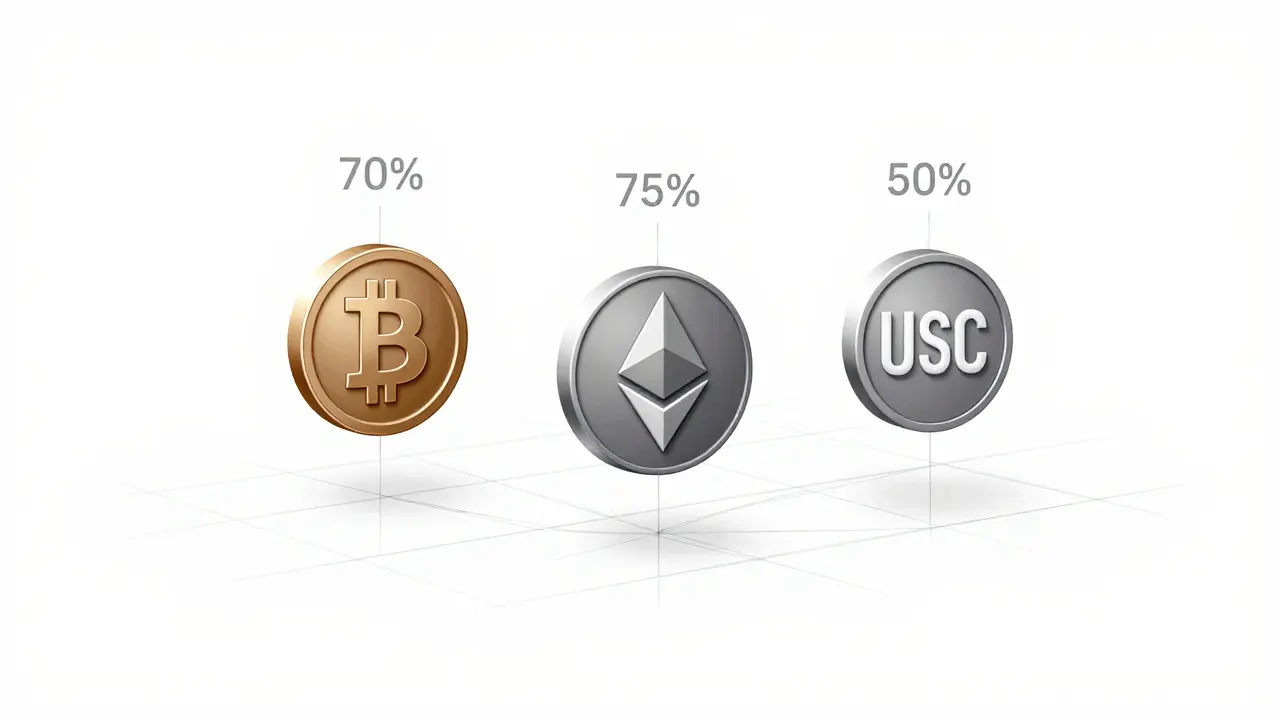
Multi-Collateral vs Single-Collateral Systems in DeFi: What You Need to Know
Multi-collateral systems let you use Bitcoin, Ethereum, and other cryptos together as collateral for loans, while single-collateral systems only allow one asset. Learn which one suits your DeFi needs in 2025.
View MoreLatest Posts