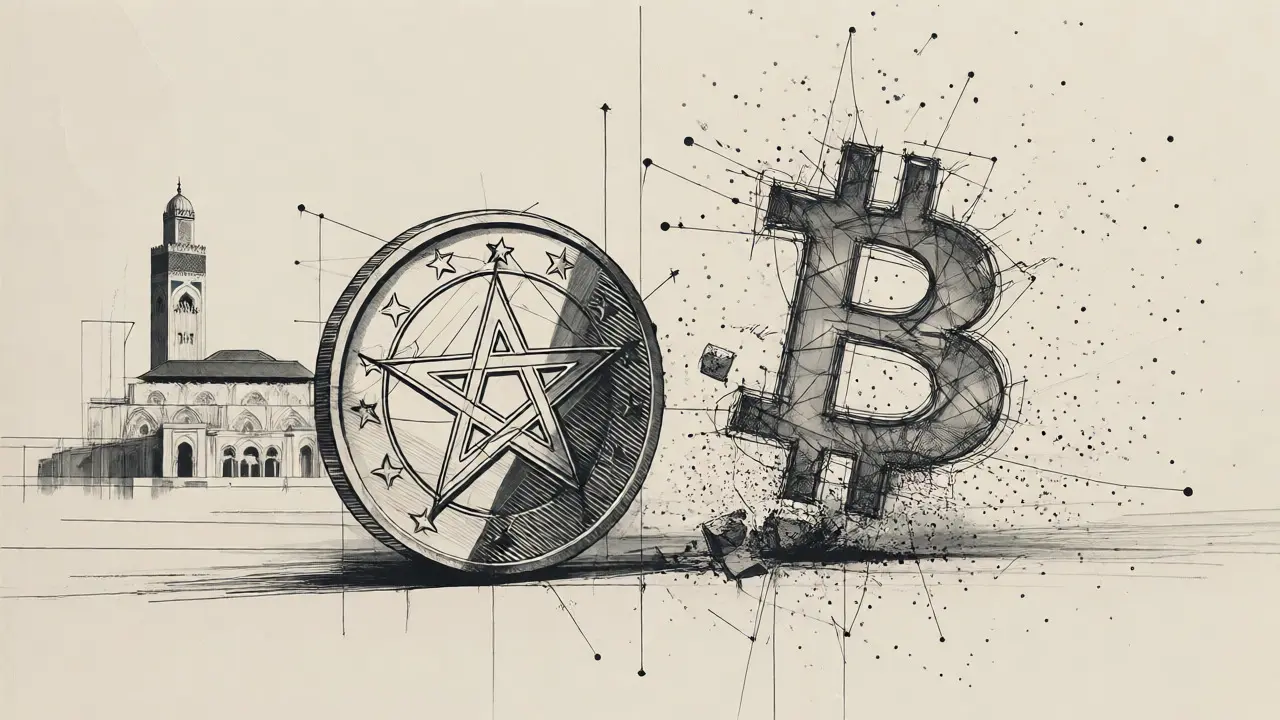
You might think a country with a strict government ban on Bitcoin would have zero crypto activity. But here is the twist: as of late 2025, Morocco ranks 21st globally for cryptocurrency adoption, right behind Egypt. How does a nation that declared all crypto transactions illegal back in November 2017 end up with over 1.2 million active users? The answer lies in a massive gap between official law and street-level reality.
If you are looking to understand the current state of digital assets in North Africa, or if you are one of the many Moroccans trying to navigate this grey zone, you need the real story. It isn’t just about laws; it’s about inflation, banking restrictions, and a central bank playing catch-up. Let’s break down why the ban exists, how people are trading anyway, and what the upcoming regulatory changes mean for your wallet.
The Official Stance: Why Morocco Banned Crypto
The prohibition didn’t come out of nowhere. In November 2017, the Ministry of Economy and Finance issued a joint statement declaring that buying, selling, and holding cryptocurrencies was illegal. They cited two main reasons: financial stability and foreign exchange controls.
Bank Al-Maghrib (BAM), Morocco’s central bank, has been the primary enforcer. Their argument is straightforward: cryptocurrencies violate existing foreign exchange regulations. Because the Moroccan Dirham is not fully convertible, moving money across borders is tightly controlled. Crypto allows value to move instantly without BAM’s oversight, which they view as a threat to monetary policy.
Unlike some neighboring countries where religious rulings (fatwas) played a role, Morocco’s stance is purely economic and regulatory. There is no religious decree calling crypto *haram*. Instead, the focus is on preventing capital flight and protecting consumers from unregulated volatility. For years, this meant that any transaction involving digital assets could theoretically lead to fines or legal trouble, though enforcement has often been inconsistent.
The Paradox: A Thriving Underground Market
Despite the ban, the market didn’t die. It went underground. According to TRM Labs’ 2025 report, Morocco’s crypto market is projected to hit USD 292.4 million by 2026. That is significant growth for a "banned" asset class.
Why are people ignoring the law? Economics. Between 2020 and 2025, the Moroccan Dirham lost roughly 22% of its value against the US Dollar. With annual inflation hovering around 6.8%, young Moroccans-particularly those aged 18-35-are using stablecoins like USDT to preserve their wealth. If you hold cash, you lose purchasing power. If you hold crypto, you hedge against devaluation.
This demographic shift is critical. 83% of Moroccan crypto users are under 35, and many are university-educated. They are digitally fluent and frustrated by traditional banking limitations. For them, the risk of a small fine is worth the benefit of accessing global markets.
How Moroccans Trade Despite the Ban
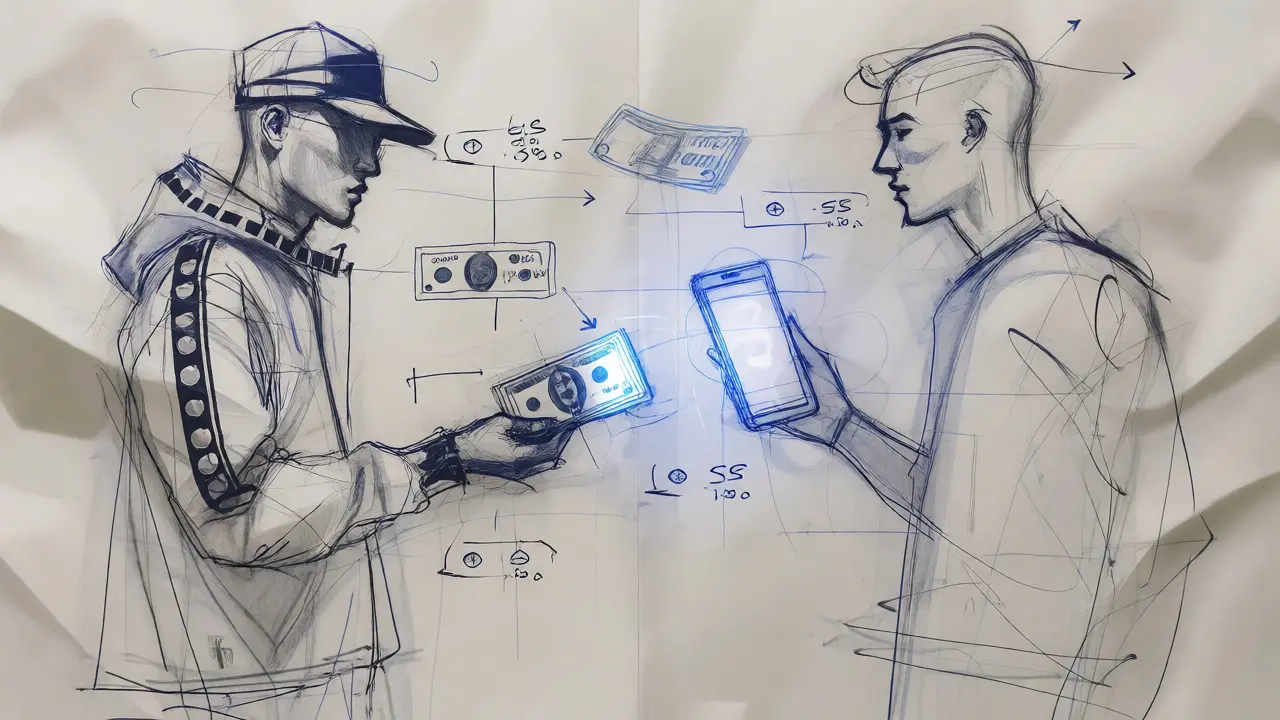
If you can’t use a standard bank transfer, how do you buy Bitcoin? Most Moroccans rely on Peer-to-Peer (P2P) platforms and Over-the-Counter (OTC) dealers. These methods bypass formal banking channels, making detection harder but adding layers of complexity and risk.
A 2025 survey by the Casablanca Digital Institute found that 78% of transactions happen through P2P networks or informal OTC deals. Only a small fraction uses international exchanges directly, mostly because withdrawing funds to Moroccan banks is tricky. Many users report having their bank accounts frozen when suspicious transfers appear. In fact, 42% of surveyed users experienced account freezes due to suspected crypto activity.
| Method | Prevalence | Main Risk | Best For |
|---|---|---|---|
| P2P Platforms (e.g., Paxful, LocalBitcoins successors) | High (78%) | Fraud, Counterfeit Cash | Small to medium trades |
| OTC Dealers (Informal) | Moderate | Lack of Recourse | Large volume buyers |
| International Exchanges | Low | Bank Account Freezes | Experienced traders |
Community resources have stepped in to fill the information vacuum. GitHub repositories like the 'Moroccan Crypto Guide 2025' offer practical tips on avoiding scams, while Reddit threads document common pitfalls. One major issue? Trust. About 31% of users reported at least one fraudulent transaction experience. Without consumer protection laws, if an OTC dealer runs off with your cash, you have little legal recourse.
The Shift: From Ban to Regulation
The landscape changed significantly in November 2024. Abdellatif Jouahri, the Governor of Bank Al-Maghrib, announced that a draft law to regulate and legalize cryptocurrency was in the adoption process. This wasn’t just talk; it signaled a pivot from total prohibition to supervised market access.
The proposed framework includes several key components:
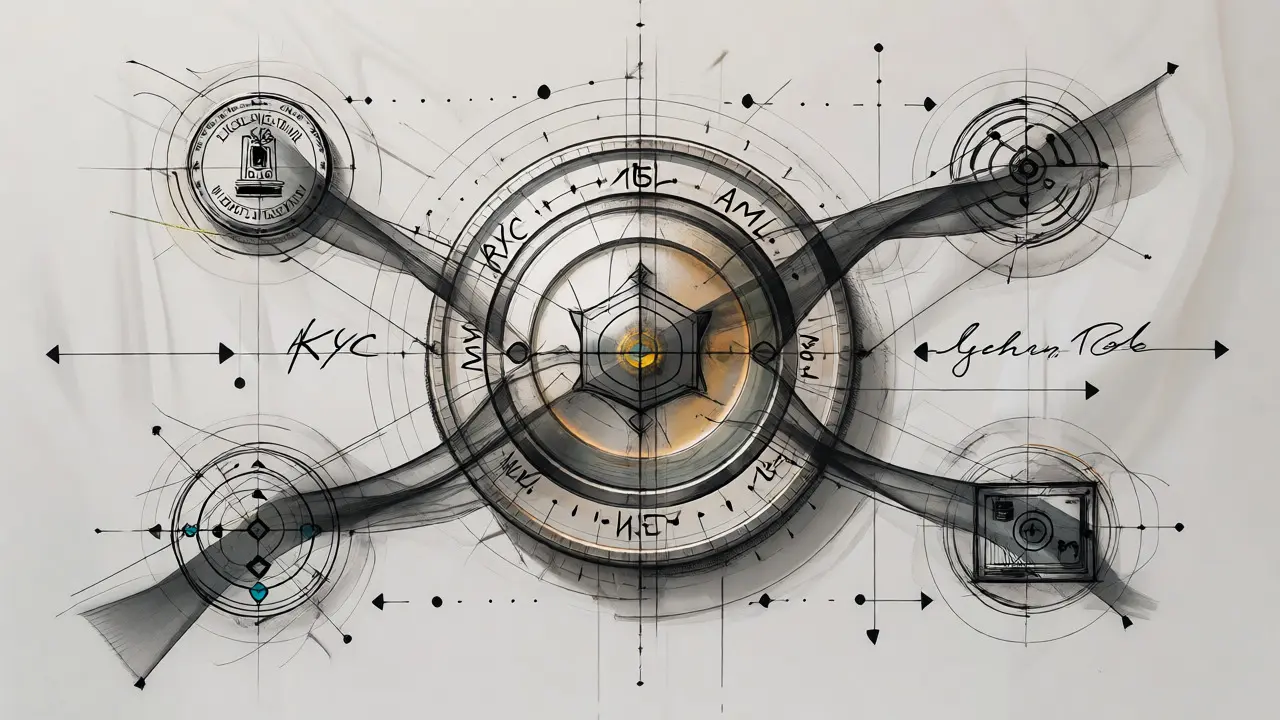
- Licensing: Crypto exchanges must obtain licenses from Bank Al-Maghrib.
- AML/CFT Compliance: Strict Anti-Money Laundering and Countering the Financing of Terrorism rules will apply.
- KYC Procedures: Know Your Customer checks will become mandatory for all registered platforms.
- Taxation: A 15% capital gains tax on crypto profits is expected.
This shift acknowledges reality. You can’t ban what millions of people are already doing. By bringing the market into the light, the government hopes to capture tax revenue and monitor flows more effectively.
The Digital Dirham: A Central Bank Alternative
While regulating private crypto, Morocco is also developing its own Central Bank Digital Currency (CBDC). Unlike decentralized coins like Ethereum, this digital dirham would be fully managed by Bank Al-Maghrib.
The goal is to combine the efficiency of blockchain technology with the stability of fiat currency. Governor Jouahri has confirmed active collaboration with the IMF, World Bank, and even Egypt’s central bank to explore cross-border payment applications. This dual approach-regulating private crypto while launching a public CBDC-aims to enhance financial inclusion. The World Bank estimates this could bring 3.2 million unbanked Moroccans into the formal financial system by 2030.
What This Means for Investors and Users
If you are currently holding crypto in Morocco, the next 12-18 months are crucial. The transition from an underground market to a regulated one will likely cause short-term friction. Expect stricter KYC requirements and potential scrutiny of past transactions.
For newcomers, the learning curve is steep. Mastering privacy tools and secure OTC practices takes time-experts suggest 8-12 weeks for beginners to feel confident. However, the long-term outlook is positive. Industry analysts predict that once the regulatory framework is fully implemented, the formal crypto market could grow by 45% annually, potentially reaching 2.5 million users by 2027.
The era of the "complete ban" is ending. It is being replaced by a complex, regulated environment that offers both opportunities and new compliance burdens. Stay informed, keep records, and watch for the finalization of the draft law.
Is Bitcoin completely illegal in Morocco?
Technically, yes, since November 2017. However, enforcement has been loose, and a new draft law introduced in late 2024 aims to legalize and regulate it rather than ban it outright.
Can I get fined for owning crypto in Morocco?
Yes, there is a legal risk. While individual holders rarely face criminal charges, businesses and large-scale traders can face fines. Banks may also freeze accounts linked to crypto transactions.
Which exchanges do Moroccans use?
Most use P2P platforms like Paxful or Binance P2P. International exchanges like Kraken or Coinbase are used less frequently due to withdrawal difficulties with Moroccan banks.
Will there be a tax on crypto profits?
The proposed regulatory framework includes a 15% capital gains tax on profits made from cryptocurrency investments.
What is the status of the Moroccan Digital Dirham?
It is in development. Bank Al-Maghrib is working with the IMF and World Bank to launch a CBDC that will complement, not replace, regulated private cryptocurrencies.