There is a lot of noise about restrictions when it comes to cryptocurrency in Colombia. Some people think they cannot buy Bitcoin or Ethereum because the government has banned it. That simply isn't true. By 2026, Colombia has built one of the most open frameworks in Latin America for digital assets. If you are asking how to access these platforms today, the answer lies in understanding the difference between banking policies and actual government law.
The reality is that over five million Colombians actively use cryptocurrencies. In 2024 alone, US$6.7 billion was traded within the country. The confusion usually stems from traditional banks blocking transfers to international platforms rather than any state mandate. Let’s clear up exactly how the system works right now so you can move money without unnecessary hurdles.
The Actual Regulatory Environment
To understand your access rights, you first need to look at what the SFC (Superintendencia Financiera de Colombia) calls its own oversight role. The regulator does not classify crypto as legal tender, but it also doesn’t outlaw it. Instead, it treats digital assets as financial operations that require transparency. This distinction matters because it means you can trade freely, provided you follow reporting rules.
A major shift happened recently with Bill 510, introduced by Senator Gustavo Moreno and Representative Julián López. This legislation aims to formalize Virtual Asset Service Providers (VASPs)Crypto Firms. Before 2025, many platforms operated in a "grey area." Now, with approval moving forward, these businesses have a clearer path to legal recognition. For a regular user, this stability means fewer shutdown risks and more consumer protection.
The UIAF (Financial Intelligence Unit) handles anti-money laundering checks. They monitor transactions above a specific threshold-currently set around USD 150. This sounds strict, but it is standard practice for any modern financial system. The goal is to stop illicit flows, not to stop citizens from investing.
Local Platforms and Exchanges
Many people try to bypass "restrictions" using foreign apps, but they overlook the massive growth of local infrastructure. You don’t necessarily need to fight cross-border banking blocks anymore because domestic options are integrated directly into the national payment system.
Bancolombiais one of the largest financial institutions in the country launched its own exchange called WeniaWenia Crypto. This is crucial because the same bank holding your peso savings account can now facilitate the transfer to your crypto wallet internally. It removes the friction of transferring funds from one bank to an overseas provider. Another key player is LuloX, which allows you to pay for everyday services using crypto.
| Platform Name | Type | Peso Deposit Method | Regulatory Status |
|---|---|---|---|
| Wenia | Crypto Exchange | Direct Bank Transfer/PSE | Under SFC Sandbox Review |
| LuloX | Fintech Platform | Internal Wallet Transfer | Active Registration |
| Binance P2P | Global Exchange | Third-party Bank Transfers | Operates Internationally |
Navigating Banking Friction
This is where the term "restriction" usually comes from. Even though buying crypto isn't illegal, some smaller Colombian banks have internal compliance teams that flag payments to known crypto merchants. If your bank marks a transaction as "suspicious," your account could be frozen temporarily. This isn't a government order; it's risk management by private banks.
To avoid this headache, users typically adopt a few practical strategies:
- Use Integrated Wallets: Stick to apps like Wenia that have their own banking partnerships. Since the funds never leave the ecosystem until you cash out, there's no external flagging.
- Choose Specific PSPs: Payment Service Providers (PSPs) often have better acceptance rates than commercial retail banks for fintech transactions.
- Avoid Generic Descriptions: When sending money internationally via SWIFT for crypto, descriptions matter. Using vague terms like "Consultancy" instead of "Investment" helps pass automated filters, but full transparency is always safer under current laws.
Be aware that fines for non-compliance reached over USD 1.5 million for providers last year. Banks are trying to protect themselves from penalties, not target you personally. Understanding this dynamic prevents frustration when a transfer gets delayed.

Taxation Rules for Crypto
You might wonder if accessing exchanges leads to immediate tax trouble. The government treats crypto activities as legitimate financial business. Gains from trading fall under existing tax laws. This means capital gains tax applies depending on whether you are classified as a professional trader or a casual investor.
If you treat trading as a profession, profits are taxed under personal income regimes. This requires keeping records of every purchase and sale. While this sounds complex, it confirms that the state sees crypto as a valid economic activity worthy of taxation, not prohibition.
Mining Regulations and Stability
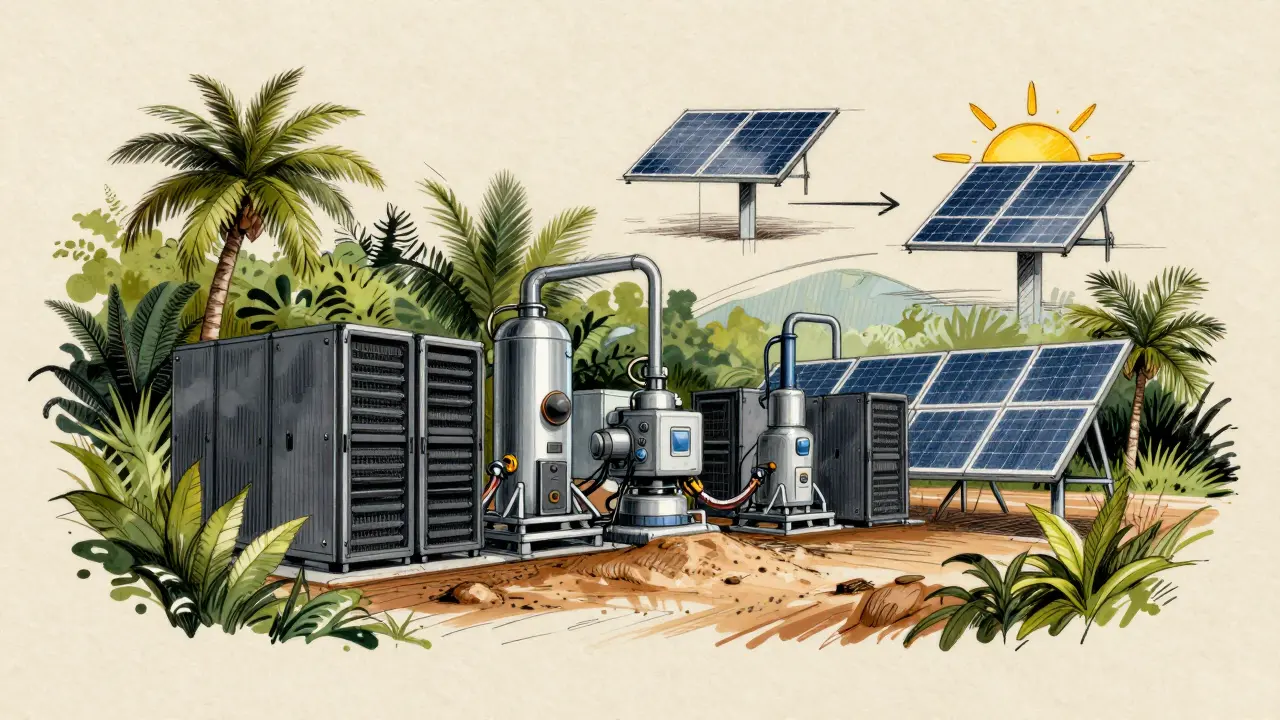
Cryptocurrency isn't just about trading. In regions like Antioquia and Bogotá, mining farms are operational and legal. The 2023 framework clarified that miners must register their equipment and pay environmental compliance fees. The government supports this because mining uses renewable energy resources efficiently in certain zones.
This stability attracts investment. Regions with mining facilities report increased employment. When mining is legal, the surrounding economy grows, unlike countries where the activity drives underground economies. This reinforces why the "restrictions" narrative is fading-the state benefits from the sector's legitimacy.
Stablecoins and Cross-Border Payments
With inflation being a constant concern for Latin American investors, stablecoins are gaining traction. Colombia participates in regional trends where these tokens replace volatile fiat currencies for large transactions. The new regulations explicitly discuss stablecoin models within the SFC sandbox requirements. This means if you hold coins pegged to the dollar (USDC or USDT), you are doing so within a defined regulatory perimeter.
For the general population, this offers a way to store value without relying on volatile exchange rates. As long as you use registered platforms that adhere to Anti-Money LaunderingAML Standards, your position is secure.
Step-by-Step Access Guide
So, what do you do right now if you want to start? Here is the logical flow based on the 2026 landscape:
- Verify Your Identity: Every major platform now requires KYC (Know Your Customer). Have your cédula (ID card) ready. Biometric verification is common to prevent fraud.
- Choose the Right On-Ramp: Select a VASP that supports Colombian Pesos (COP). Direct deposit options like PSE (Pago Seguro en Línea) are widely accepted and faster than traditional wire transfers.
- Secure Storage: While exchanges offer wallets, serious users move funds to hardware devices. This is not mandated by law, but it is a safety best practice recommended by security experts.
- Monitor Compliance: Keep an eye on the UIAF thresholds. Report large movements if you are acting as a business, not just a private individual.
By following these steps, you operate inside the lines rather than fighting against imagined barriers.
Is buying cryptocurrency illegal in Colombia?
No, it is not illegal. The government has recognized crypto assets as financial operations, and millions of citizens trade legally through regulated platforms.
Why do some banks refuse crypto transfers?
This is an internal policy issue, not a law. Many banks restrict transfers to unverified crypto businesses to reduce their own compliance risk. Using registered local exchanges solves this.
Do I need to pay taxes on crypto profits?
Yes, gains from crypto trading are subject to income tax under existing personal or corporate regimes depending on your activity level.
What is Bill 510?
Bill 510 is a legislative proposal to formally regulate Virtual Asset Service Providers (VASPs), aiming to bring clarity and protection to the digital asset market.
Is crypto mining permitted?
Yes, mining is legal as long as operators comply with registration processes and environmental guidelines issued by authorities.




Lisa Miller
28 March, 2026 . 12:22 PM
It is truly wonderful to see regulations finally clearing up for everyone. Having clear rules makes investing so much safer for ordinary people. We deserve stability and this framework provides that. Thanks for sharing all this information.
Matt Bridger
28 March, 2026 . 14:45 PM
Regulatory frameworks are necessary for financial order. Compliance remains paramount for all participants. The system requires strict adherence to established protocols.
Joy Crawford
28 March, 2026 . 17:44 PM
omg i love seeing this progress u :D so many people struggled before but now it looks way better yay
Sean Carr
28 March, 2026 . 20:03 PM
Just use PSE transfers for faster results.
Ronald Siggy
29 March, 2026 . 06:31 AM
That is solid advice indeed. You must prioritize direct banking channels to avoid friction. Stick to the local apps for safety.
Alex Lo
29 March, 2026 . 20:14 PM
so i read the post carefully and noticed many points ignored. regulatoin was hard before but better now. the banks block stuff because scared of penalties. it is not really government fault. private companies protect their own assets mostly. Bill 510 helps a lot though. still need to be careful about transfers. they flag large amounts easily. dont forget taxes too. you pay income tax on gains. if you trade often classified professional. that means more paperwork. mining is legal now. big news for antioquia area. energy cheaper there. overall good situation. keep records straight. audit can happen anytime. nobody want trouble with uiaf thresholds. especially around 150 dollars mark. monitor transactions always.
Wade Berlin
31 March, 2026 . 12:14 PM
Sure lets pretend taxes arent getting higher tomorrow. Regulatory sandbox sounds fancy but just means more reporting.
Shaira Vargas
2 April, 2026 . 06:11 AM
Ugh the drama is real though! Why do we have to track every single transaction! It feels so invasive sometimes lol.
Ashley Stump
3 April, 2026 . 22:05 PM
Because the state wants your money. They watch every cent you move. Trusting them is foolish.
Colin Finch
4 April, 2026 . 13:19 PM
A fascinating evolution for the region indeed. LatAm is catching up fast with tech adoption.
Elizabeth Akers
5 April, 2026 . 23:53 PM
Definitely feels like the tide is turning towards openness. Glad to hear the local options growing.
Addy Stearns
7 April, 2026 . 23:10 PM
To understand the true impact of digital asset laws one must look deeper into history. Governments historically feared unregulated markets for centuries. Now transparency offers a new path forward. The shift in Colombia proves adaptability wins. Traditional finance tried to ignore innovation but failed. Consumers demanded freedom in transactions. Stablecoins offer value protection against inflation rates. This mechanism safeguards savings effectively. Mining brings jobs to rural areas. Employment growth benefits local economies significantly. Environmental concerns remain part of the debate. Renewable usage supports sustainability goals. Taxation ensures revenue streams for public works. These funds build roads and schools for citizens. Balance is achieved through oversight. Progress is inevitable when people participate actively.
Michael Nadeau
8 April, 2026 . 18:56 PM
Philosophically the balance between freedom and control shifts constantly. It dictates social contract evolution.
Liam Robertson
10 April, 2026 . 10:15 AM
Keep pushing for clarity in these policies. Everyone deserves security.
Zackary Hogeboom
11 April, 2026 . 08:27 AM
Exciting stuff to think about regarding future market structures. The integration seems promising for wider adoption soon enough.
Beverly Menezes
11 April, 2026 . 13:58 PM
Hope everyone stays safe while trading online. It can get complicated sometimes.
Samson Abraham
13 April, 2026 . 04:15 AM
Adherence to protocols ensures safety. The boundary is set for protection.
Justin Garcia
14 April, 2026 . 16:29 PM
Do not trust these platforms blindly. Scams happen everywhere. Stay away.
athalia georgina
14 April, 2026 . 22:27 PM
b ut i feel like some risks r worth it tho.. maybe just careful?
joshua kutcher
16 April, 2026 . 01:58 AM
Taking measured steps is wise. We should all learn from each other's experiences.
Disha Patil
16 April, 2026 . 06:06 AM
People seem to take risks freely even when rules exist.
Callis MacEwan
17 April, 2026 . 00:31 AM
Utilizing VASPs necessitates understanding liquidity pools and regulatory sandboxes. DeFi integration is pending further legislative alignment.
Alex Kuzmenko
18 April, 2026 . 13:46 PM
thats waaaay too technical bro. just use the app.
Jay Starr
20 April, 2026 . 01:10 AM
The tension is palpable.