Imagine holding a physical key that unlocks not just your front door, but also a digital vault containing the deed to your house. That’s the core promise of 3DPass (P3D). It isn’t just another cryptocurrency trying to be "the next Bitcoin." Instead, it’s a specialized Layer 1 blockchain platform designed specifically for the tokenization of real-world objects using 3D modeling technology. If you’ve ever wondered how to bridge the gap between physical assets and digital smart contracts without losing security or authenticity, this might be the niche project you’ve been looking for.
But before you rush to buy, you need to understand what makes P3D different from the thousands of other coins out there. Is it a viable investment in 2026, or is it too niche to survive? Let’s break down exactly what 3DPass does, how its unique security model works, and where it stands in today’s volatile market.
The Core Concept: The Ledger of Things
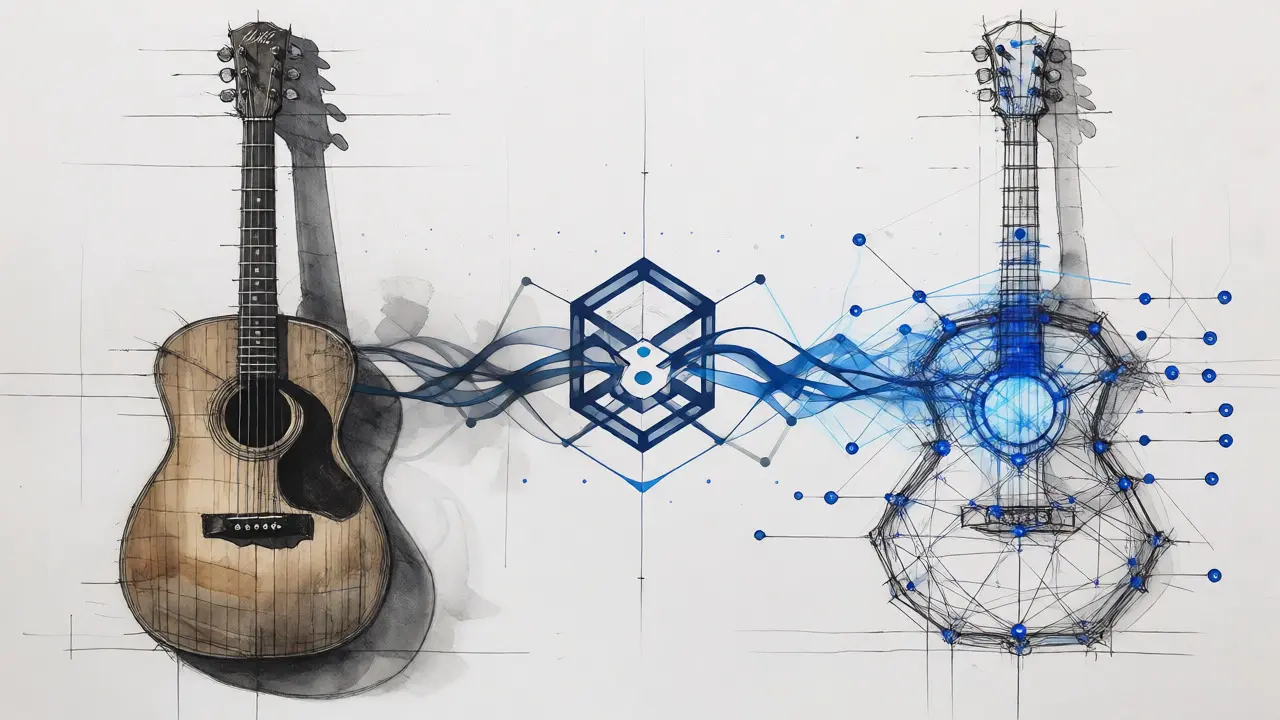
Most blockchains are great at tracking numbers-money, tokens, shares. But they struggle with physical objects. How do you prove that the digital token representing a specific vintage guitar actually corresponds to that specific guitar on Earth? Enter the concept of the "Ledger of Things." This is 3DPass’s proprietary framework that allows users to create a digital twin of any physical object.
Here’s where it gets interesting. You don’t just upload a photo. You use 3D scanning technology to capture the geometry, texture, and unique identifiers of an object. This data becomes the "seed" for creating a cryptographic key. Think of it like this: instead of a password being a string of random characters you forget, your password could be the exact 3D shape of your favorite mug, scanned via your smartphone. When combined with biometric data, this creates a security layer that is incredibly hard to hack because the key is tied to the physical uniqueness of the object itself.
How P3D Technology Works
The magic lies in the intersection of computer vision and blockchain consensus. 3DPass uses a decentralized infrastructure to verify these 3D models. When you tokenize an asset, the network doesn’t just store a hash; it stores a verifiable representation of the object’s structure. This allows for something called "Object Verification," which ensures that the digital asset remains linked to its physical counterpart throughout its lifecycle.
For developers, this means building dApps (decentralized applications) that can interact with real-world items. For example, a supply chain app could scan a package at every checkpoint. The 3DPass network verifies that the package hasn’t been tampered with by comparing the new scan against the original 3D model stored on the blockchain. If the geometry changes-even slightly-the system flags an anomaly. This level of granular verification is rare in general-purpose chains like Ethereum or Solana, which focus more on computational logic than physical identity.
Tokenomics and Market Reality
Now, let’s talk numbers, because enthusiasm doesn’t pay the bills. As of September 2026, P3D is trading at approximately $0.00093 USD. This price point reflects a significant correction from its all-time high of $0.0432, marking a decline of roughly 97%. While that sounds scary, it’s typical for smaller-cap altcoins that experienced hype cycles in earlier years.
| Metric | Value |
|---|---|
| Circulating Supply | 518,913,164 P3D |
| Total Supply | 797,738,942 P3D |
| Max Supply | 1,000,000,000 P3D |
| Market Cap | ~$434,000 - $576,500 |
| Avg Transaction Fee | ~$0.10 USD |
| Exchange Listing | CoinEx, MEXC, XeggeX |
The circulating supply sits at about 518 million tokens, with a maximum cap of 1 billion. This scarcity model is standard, but the low market capitalization-hovering around half a million dollars-means liquidity is thin. You won’t find P3D on Binance or Coinbase. It trades primarily on CoinEx, MEXC, and XeggeX. Daily volume fluctuates between $12,000 and $22,000, which tells you two things: first, it’s cheap to move small amounts; second, large sell orders could crash the price quickly due to low depth.
Real-World Use Cases
Why would anyone build on 3DPass? The utility goes beyond speculation. Here are three concrete scenarios where this tech shines:
- Digital Art & NFTs: Most NFTs are just images. On 3DPass, an artist can mint a 3D sculpture. Collectors can view the asset in AR (Augmented Reality), knowing the digital file matches the physical mold or print exactly.
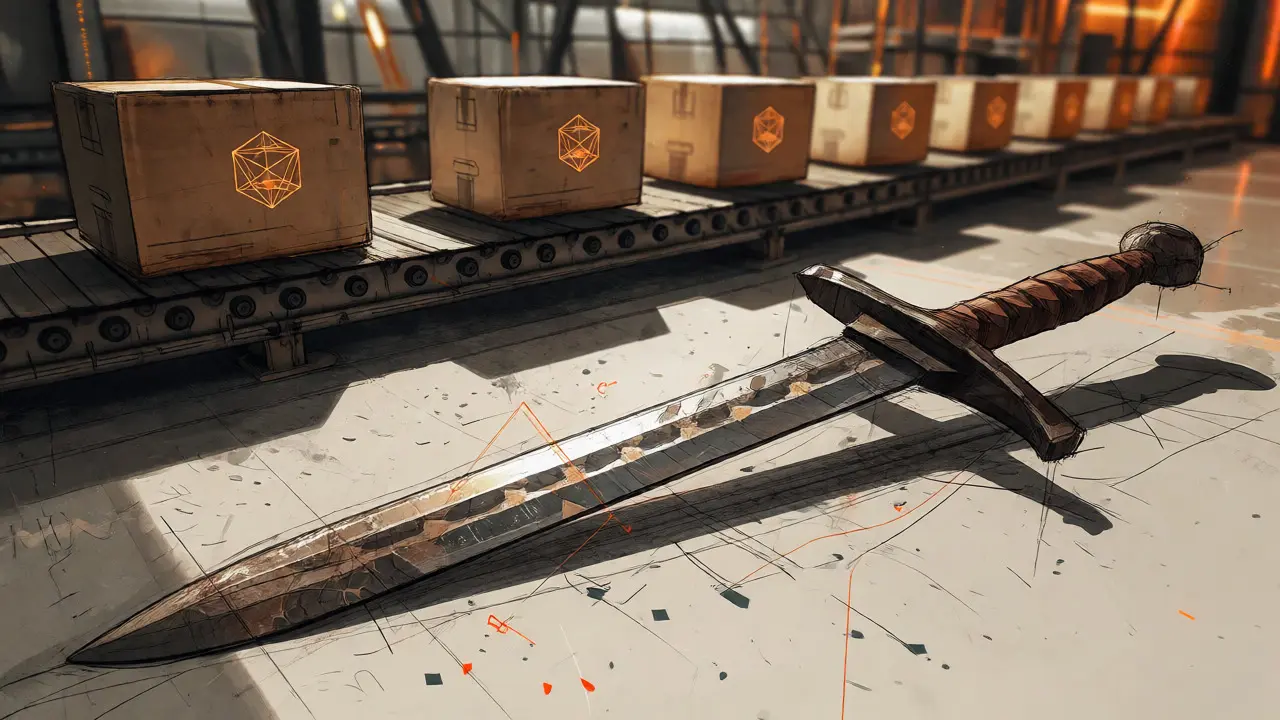
- Gaming Assets: Imagine a game where your sword has a unique 3D wear-and-tear pattern recorded on-chain. When you trade that sword, the buyer gets the exact history of its damage, verified by the blockchain.
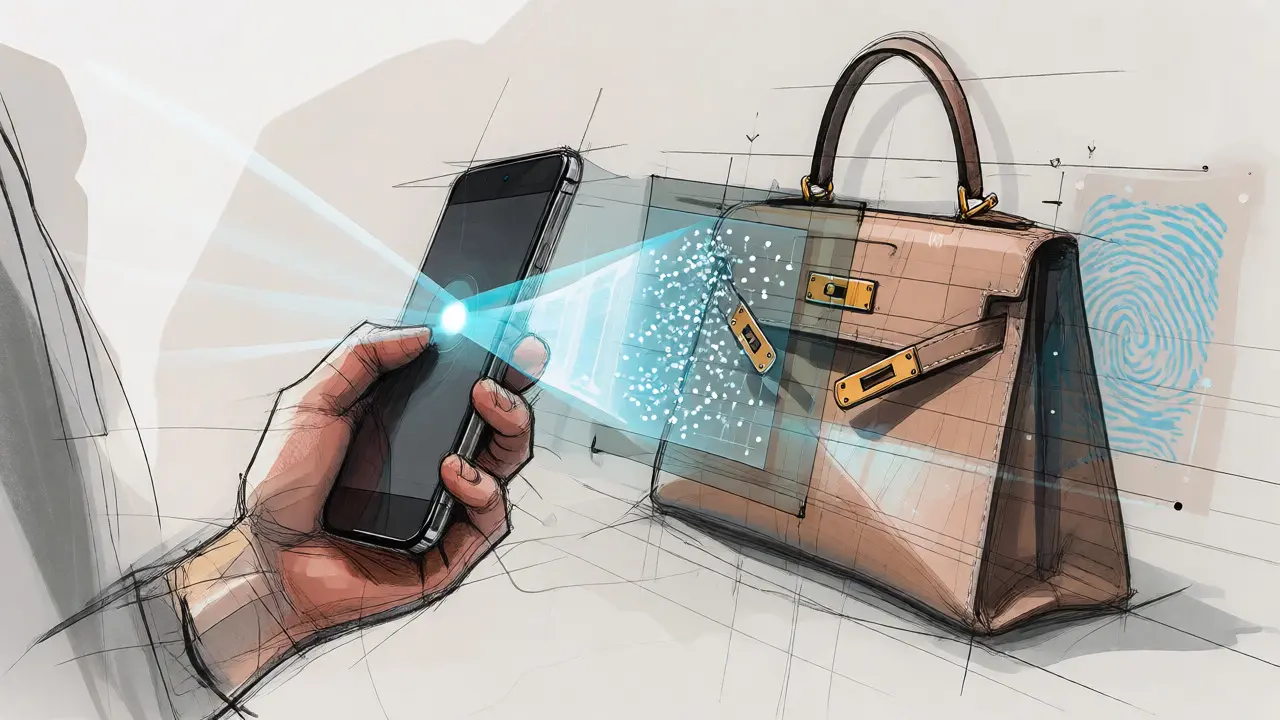
- Supply Chain Identity: Luxury goods manufacturers can embed a P3D token into handbags or watches. A customer scans the item with their phone, and the 3DPass ledger confirms its authenticity instantly, combating counterfeits without needing expensive RFID chips.
These use cases rely on the platform’s ability to handle complex data structures efficiently. With transaction fees averaging just $0.10, it’s feasible for micro-transactions involved in gaming or frequent supply chain checks, unlike Ethereum where gas fees might eat up the value of the item itself.
Security Model: 3D Biometrics
One of the most underrated features of 3DPass is its approach to identity. Traditional crypto wallets rely on seed phrases-12 or 24 words you write on paper. Lose the paper, lose the money. 3DPass proposes an alternative: using a 3D object as part of the key generation process. Combined with biometric data (like a fingerprint or face scan), this creates a multi-factor authentication system rooted in physical reality.
This isn’t just gimmicky. In a world where phishing attacks steal passwords constantly, tying access to a physical object reduces remote attack vectors. You can’t phish someone’s 3D-scanned key if the attacker doesn’t have the physical object in hand. However, this convenience comes with a caveat: if you lose the physical object used for seeding, recovery mechanisms must be robust. The team has emphasized ongoing development in this area, suggesting that social recovery or backup protocols are integral to the user experience.
Investment Risks and Volatility
Let’s be honest: investing in a coin ranked #1888 by market cap is risky. The yearly performance shows a drop of over 70% against USD. Why? Partly due to broader market trends, but also because niche projects often struggle to gain mainstream adoption. 3DPass competes with giants like Ethereum and emerging platforms focused on IoT (Internet of Things). Its success depends entirely on whether developers actually build apps that require 3D object verification.
If you’re considering buying P3D, treat it as a speculative venture. The low entry price ($0.00093) means you can buy a lot of tokens for little money, but the upside is capped by the lack of major exchange listings. Liquidity risk is real-you might buy easily, but selling a large position could take time or impact the price negatively. Always check the current order books on CoinEx or MEXC before placing a market order.
Community and Development Status
Is the project dead? Not quite. The GitHub repository shows active code commits, indicating that development continues despite the price slump. The community engages on Twitter (@3Dpass_genesis) and Facebook, though activity levels are modest compared to top-tier coins. For investors, watching the GitHub activity is a better indicator of health than social media hype. Regular updates to the core protocol suggest the team is still working toward scaling solutions and improving the developer SDK.
Keep an eye on partnerships. Since 3DPass targets industrial applications like supply chain and gaming, announcements of pilot programs with logistics companies or game studios would be bullish signals. Without such partnerships, the tech remains a solution looking for a problem.
What makes 3DPass different from other cryptocurrencies?
Unlike general-purpose blockchains that focus on financial transactions, 3DPass is a Layer 1 platform specifically built for tokenizing physical objects using 3D modeling. It enables the creation of digital twins of real-world items, allowing for unique security features where 3D object data serves as part of the cryptographic key.
Where can I buy P3D tokens?
As of 2026, P3D is primarily traded on CoinEx, MEXC, and XeggeX. It is not currently listed on major exchanges like Binance or Coinbase, so you will likely need to transfer funds to one of these mid-tier exchanges to purchase the token.
Is 3DPass a good investment in 2026?
It is considered a high-risk, speculative investment. With a market cap under $600k and low trading volume, it offers potential for high percentage gains if adoption grows, but carries significant liquidity risks and volatility. It is suitable only for investors who understand niche blockchain sectors.
How much does it cost to send P3D?
Transaction fees on the 3DPass network are very low, averaging around 0.001 P3D, which translates to approximately $0.10 USD. This makes it cost-effective for micro-transactions and frequent interactions within dApps.
Can I use my phone to scan objects for 3DPass?
Yes, the platform supports mobile integration for 3D scanning and object verification. Users can utilize compatible smartphones to capture 3D data of objects, which is then processed and stored on the blockchain to create or verify digital assets.