For years, Portugal was the ultimate destination for anyone looking to escape the heavy hand of the taxman while building a digital asset portfolio. It was essentially a wild west where crypto lived in a legal gray area, meaning most people paid zero. Those days are gone. Since the 2023 State Budget overhaul, the Portuguese government has moved from a "hands-off" approach to a structured, three-tier system. But does this mean the dream of living in the Algarve while trading Bitcoin is dead? Not exactly. While the era of the complete tax haven is over, the country has carefully crafted a system that still rewards the "HODLers" while taxing the speculators.
The Current State of Play: How You're Taxed
To understand where Portugal is heading, we first need to look at how the Personal Income Tax Code the legal framework governing individual tax obligations in Portugal currently handles digital assets. They've split crypto income into three distinct buckets, and where your money falls depends entirely on what you're actually doing with your coins.
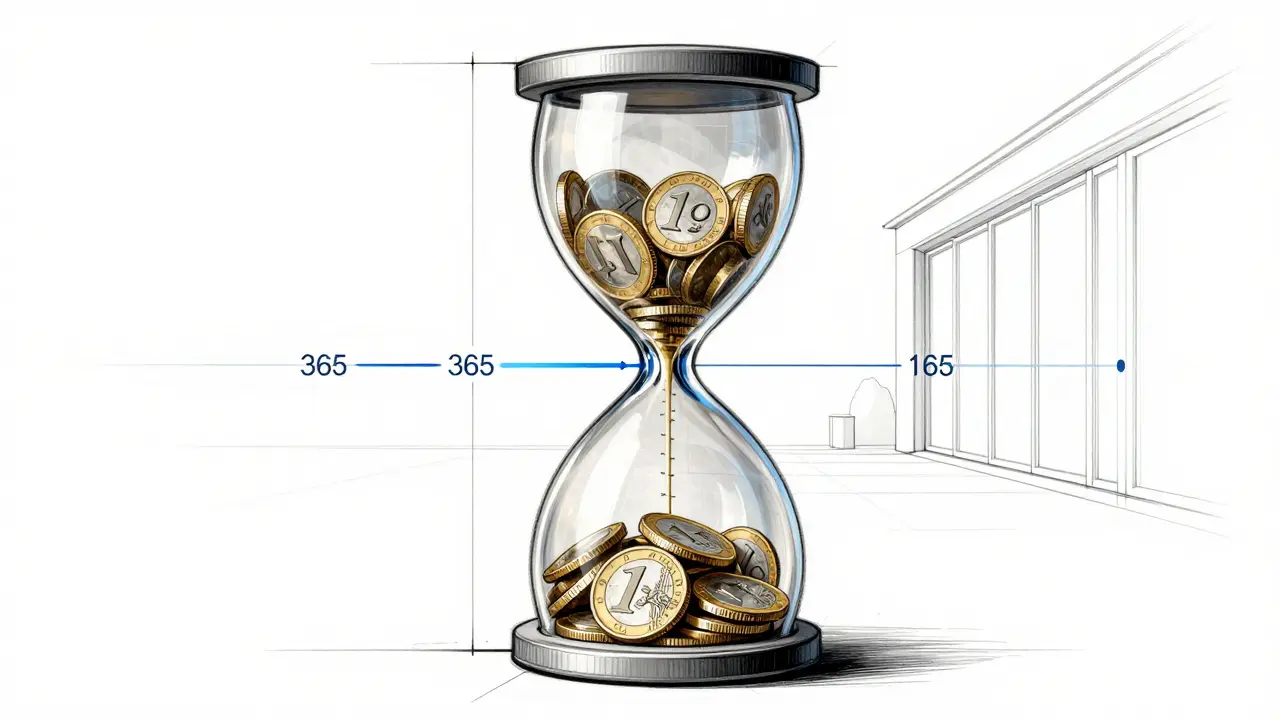
Most casual investors deal with Category G. This is where capital gains live. If you buy an asset and sell it for a profit, you're looking at a 28% flat tax. However, there is a massive loophole for the patient: if you hold your assets for more than 365 days, the gain is completely tax-free. This makes Portugal a paradise for long-term investors, provided the counterparty is in the EU, EEA, or a country with a Double Tax Treaty.
Then there's Category E, which covers passive income. Think Staking the process of participating in a proof-of-stake blockchain to earn rewards and lending. This is hit with a flat 28% rate. The silver lining here is the timing; if you receive rewards in crypto, you aren't taxed the moment they hit your wallet. You only owe the government when you convert those rewards into fiat currency like Euros.
Finally, if you're running a full-blown business-like a professional trading firm or a high-scale mining operation-you fall into Category B. This is professional activity and is subject to progressive rates ranging from 14.5% up to 53%. To keep things fair, they use a simplified regime for those earning under €200,000. For most professional traders, only 15% of their gross income is actually taxed. However, Crypto Mining the process of using hardware to solve complex puzzles and secure a blockchain is treated differently; because of the massive energy consumption, 95% of mining receipts are taxable.
| Category | Type of Activity | Tax Rate | Key Condition |
|---|---|---|---|
| Category G | Capital Gains | 0% or 28% | 0% if held > 365 days |
| Category E | Passive Income | 28% (Flat) | Taxed upon fiat conversion |
| Category B | Professional | 14.5% - 53% | Progressive rates based on income |
Comparing Portugal to its European Neighbors
If you're deciding where to base your operations, it helps to see how Portugal stacks up against other EU hubs. While many countries are simply applying a generic "income tax" to everything, Portugal's time-based exemption is a powerful tool for wealth preservation.
Take France, for example. They apply a flat 30% tax on almost everything that touches fiat. While crypto-to-crypto trades are exempt there, the moment you want to buy a coffee with your gains, you're paying a premium. Germany is actually the closest competitor to Portugal, also offering a one-year holding exemption. However, Germany's short-term rates can climb up to 45%, making Portugal's 28% cap much more attractive for those who can't commit to a full year of holding.
Then you have the UK, where there is no "magic date" that makes your gains disappear. You pay Capital Gains Tax regardless of whether you held the asset for a day or a decade, though they do provide a small annual allowance. In this context, Portugal's 0% long-term rate is a massive draw for the Digital Nomad remote workers who move between countries to optimize their lifestyle and tax burden community.
The Road Ahead: Future Changes and Restrictions
So, what's the catch? If you're moving to Portugal today, you shouldn't expect the same "don't ask, don't tell" environment of 2021. The future of crypto tax in Portugal is defined by two words: Enforcement and Harmonization.
First, the Autoridade Tributária e Aduaneira the Portuguese tax and customs authority responsible for collecting revenue is upgrading its toolkit. For years, they lacked the software and data to actually track on-chain movements. That is changing. With the rollout of new reporting standards, the government is building an infrastructure that can link wallets to identities. If you're relying on the fact that "they can't see it," you're playing a dangerous game. Expect more audits and a tighter requirement for detailed record-keeping using the First In, First Out (FIFO) method.
Second, we have to talk about MiCAR Markets in Crypto-Assets Regulation, the EU's framework to regulate crypto-asset issuers and service providers. This is the big one. MiCAR is designed to harmonize crypto rules across the entire European Union. While MiCAR focuses more on consumer protection and licensing than on direct taxation, it creates a standardized environment for how exchanges and custodians report data. When every exchange in the EU follows the same reporting rules, the Portuguese tax office will have a goldmine of data to verify your holdings.
Will this lead to the removal of the 365-day exemption? Probably not in the short term. Portugal knows that its attractiveness to high-net-worth individuals depends on these incentives. However, we might see a tightening of what qualifies as "professional activity" in Category B. If you're trading 50 times a day, the government is more likely to argue that you're running a business rather than just investing, potentially pushing you from a 28% rate into the 53% progressive bracket.
Pitfalls and Pro Tips for Compliance
Navigating this system without a professional can be a nightmare. One of the biggest mistakes newcomers make is failing to track their "cost basis." Because Portugal uses FIFO, you have to prove exactly when you bought each specific unit of a coin to claim the 365-day exemption. If you move funds between five different exchanges and three cold wallets, a simple spreadsheet usually isn't enough. Using dedicated software like CoinTracking or Koinly is no longer optional; it's a survival requirement.
Another trap is the distinction between a trade and a conversion. Remember, moving Bitcoin to Ethereum is generally not a taxable event in many EU contexts, but moving Bitcoin to Euros is. However, under the new rules, you must be careful about how you categorize your activity. If you are consistently making a living from trading, you cannot simply claim "Category G capital gains" to avoid the professional taxes of Category B.
For those in the staking and lending game, the "tax deferral" is your best friend. Since you're only taxed upon conversion to fiat, you can essentially compound your rewards for years. The trick is to keep a meticulous log of the value of the reward at the time of receipt, as this determines your initial cost basis when you eventually sell.
Is cryptocurrency still tax-free in Portugal?
Not entirely. While long-term capital gains (assets held for more than 365 days) remain tax-free, short-term gains are taxed at 28%. Additionally, professional trading and staking income are taxable under different categories.
What happens if I trade one crypto for another?
Generally, crypto-to-crypto trades do not trigger an immediate tax liability in Portugal. Taxation typically occurs when you convert your digital assets into a fiat currency (like Euros) or use them to purchase goods and services.
How does the 365-day rule work?
If you hold a cryptocurrency for more than one year before selling it for fiat, the profit is exempt from tax. This is calculated using the First In, First Out (FIFO) method, meaning the first coins you bought are the first ones considered sold.
Are there different rules for crypto mining?
Yes. Mining is considered a professional activity (Category B). Under the simplified regime, 95% of the gross income from mining is subject to progressive tax rates, reflecting the government's stance on the environmental impact of mining.
Will MiCAR change my taxes in Portugal?
MiCAR itself is a regulatory framework for service providers, not a tax law. However, it will likely increase the amount of data the Portuguese tax authorities receive from exchanges, making it much harder to hide undisclosed crypto holdings.
Next Steps for Investors
If you're currently living in Portugal or planning to move, your priority should be a full audit of your transaction history. If you've been operating under the assumption that everything is tax-free, now is the time to reconcile your records. Start by identifying which assets have passed the 365-day mark and which are still "short-term."
For professional traders and miners, look into the simplified regime thresholds. If your annual gross income is under €200,000, you can benefit from a significantly lower taxable base (15% for general trading). Finally, keep an eye on the latest updates from the Autoridade Tributária; as they upgrade their tracking software, the window for "informal" reporting is closing fast.



Susan Wright
7 April, 2026 . 02:28 AM
Using Koinly or CoinTracking is basically mandatory now since the tax office is actually getting better at on-chain analysis
The FIFO method can be a total nightmare if you've been swapping assets across different wallets for years
Joshua Aldrich
8 April, 2026 . 21:55 PM
it really makes you think about the nature of ownership when the state decides when your gain is 'long term' enough to be yours
most peple dont realize that the 365 day rule is actually a pretty genius way to stabilize the market by discouraging day trading
Earnest Mudzengi
9 April, 2026 . 17:13 PM
MiCAR is just a front for the globalist surveillance state to implement a CBDC backdoor through 'harmonization'
They want a full ledger of every satoshi moved to link your biometric ID to your private keys so they can freeze your assets the moment you think a non-sanctioned thought 🙄
Deepak Prusty
9 April, 2026 . 21:03 PM
The comparison with Germany is slightly flawed because Germany's holding period applies differently to certain types of tokens
Emma Pease-Byron
11 April, 2026 . 10:35 AM
How quaint that some still believe a spreadsheet suffices for tax compliance in the digital age
I find the notion that the Algarve is a 'paradise' utterly amusing when one considers the actual quality of local infrastructure
Erica Mahmood
12 April, 2026 . 01:31 AM
definitely watch out for the distinction between cat g and cat b if you're doing high frequency stuff
the wash trading flags are becoming more sensitive in eu jurisdictions
Krystal Moore
13 April, 2026 . 23:37 PM
It is honestly disgusting that miners are being punished with a 95% taxable rate just because of energy use
The government is literally stealing from the people who actually secure the network while letting the bureaucrats take their cut
Sharhonda Walker
14 April, 2026 . 20:35 PM
i've seen a few people try to claim the exemption without proper records and it's a mess
make sure you save your CSVs from every single exchange youve ever used even the dead ones
Patty Levino
15 April, 2026 . 08:33 AM
If anyone is feeling overwhelmed by the FIFO requirements, just take it one wallet at a time
It's a lot of work but getting it right now prevents a huge headache during an audit later
Arlen Medina
15 April, 2026 . 18:33 PM
US taxpayers should just move already because the IRS is a joke compared to this system
Zero tax after a year is literally the gold standard for any investor who isn't a degenerate gambler
Taylor Meadows
16 April, 2026 . 07:11 AM
Most of you are just chasing a tax loophole instead of actually understanding the value of the assets you hold
You're all just terrified of the government because you have no internal discipline
vijendra pal
16 April, 2026 . 15:29 PM
I agree with the point about MiCAR!! It's gonna make everything so transparent 🚀🚀
Just make sure your records are clean and you will be fine 📈
david head
17 April, 2026 . 23:16 PM
totally agree with the tools part 😊 koinly is a lifesaver for real
gladys christine
18 April, 2026 . 04:07 AM
OMG the thought of moving to the Algarve is just a dream
Imagine waking up to that sunshine and knowing your long term gains are safe from the taxman
Manisha Sharma
20 April, 2026 . 01:27 AM
Portugal is barely a player compared to the rise of the East
People think they found a loophole but the state always wins in the end because they own the laws you are trying to bypass
Bruce Micciulla Agency
21 April, 2026 . 20:48 PM
the fundamental flaw in this strategy is the assumption that the 365 day rule will persist indefinitely given the fiscal pressures on the portuguese state which is perpetually on the verge of a debt crisis and will likely pivot to a more aggressive stance the moment the revenue gap widens further making any long term plan based on current exemptions a high risk gamble that ignores the volatility of political will in southern europe
Alexandra Lance
22 April, 2026 . 12:04 PM
Oh sure, just trust the 'Autoridade Tributária' to be fair with your money 🙄
They'll use MiCAR to track your every move and then hit you with a 'professional' label just because you traded some PEPE for SOL once 🤡
Carol Prates
24 April, 2026 . 11:11 AM
Honestly this whole thing is just a disaster waiting to happen because nobody actually tracks their cost basis properly
I can't wait to see the meltdown when the first wave of audits hits and people realize they've been 'tax-free' while actually being Category B professionals
alex rodea
25 April, 2026 . 05:25 AM
Just keep track of your dates and you will be okay!