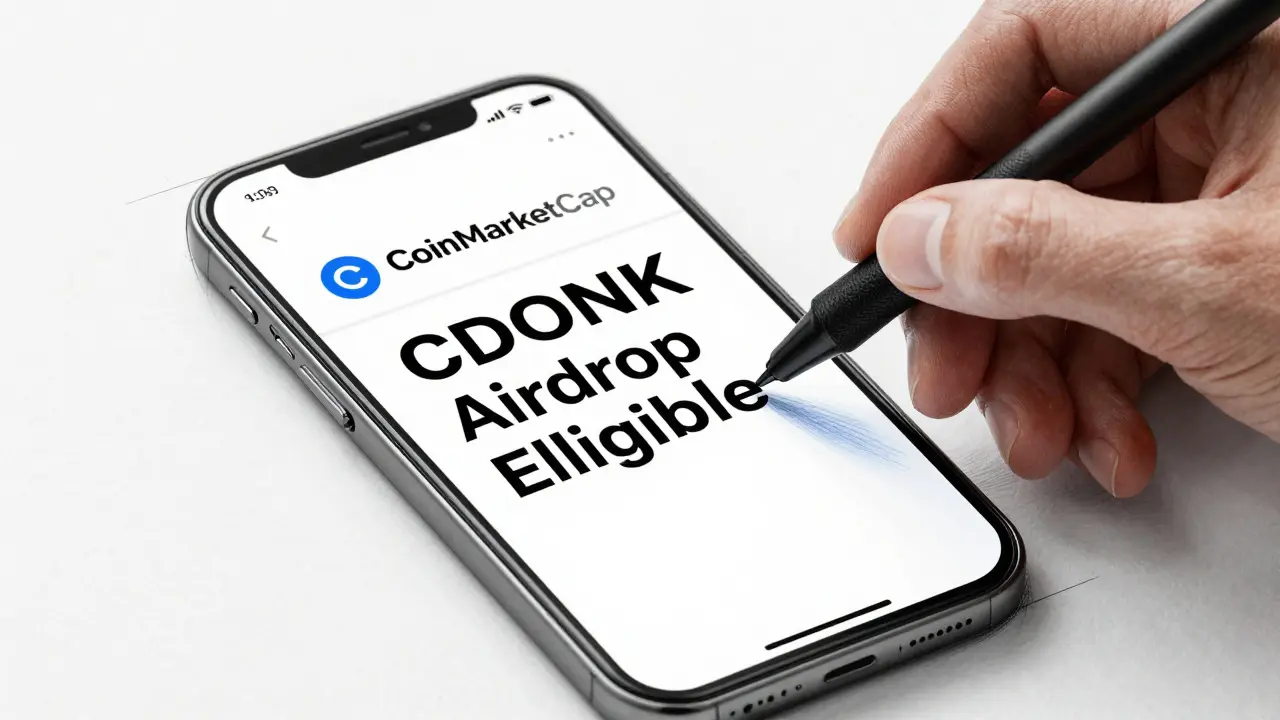
You see the notification pop up on your screen. It looks official. It mentions CoinMarketCap is the world's leading cryptocurrency price tracking platform that provides data on thousands of digital assets. It promises free tokens from a project called Club Donkey (CDONK). Your heart skips a beat. Free crypto? From one of the biggest names in the industry? Before you click that link or connect your wallet, stop. Take a breath. What you are looking at is almost certainly a trap designed to drain your funds.
The rumor of a "CDONK X CoinMarketCap" airdrop has been circulating aggressively across social media and messaging apps. But here is the hard truth: there is no such thing. As of mid-2026, this event does not exist. In fact, it is a known phishing campaign targeting unsuspecting crypto users. This article breaks down exactly why this claim is false, how the scammers operate, and how you can protect yourself from losing your life savings to a fake meme coin giveaway.
The Truth About Club Donkey (CDONK)
To understand the scam, we first need to look at the token itself. Club Donkey is a decentralized meme token built on the Binance Smart Chain (BSC) that markets itself as a community-driven experiment. It lists on CoinMarketCap under the ticker CDONK. On the surface, it looks like any other meme coin in the vast ocean of digital assets. It claims to be a "substrate token" related to another project called Donkey ($DONK).
However, the numbers tell a different story. When you check the live data for CDONK, you will find zero circulating supply and zero trading volume. The price sits at $0.00 USD. There is no liquidity. There is no market activity. A legitimate airdrop requires a functioning token with active trading to have any value. If you received millions of CDONK tokens today, they would still be worth nothing because there is no one buying them. The project lacks the basic infrastructure of a viable cryptocurrency.
Furthermore, the broader ecosystem around CDONK is shaky. The related token, Donkey ($DONK), also shows zero circulating supply and zero volume. These projects do not meet the minimum standards for serious investment or even credible airdrop campaigns. They are essentially empty shells used by bad actors to create a narrative of potential wealth.
Why CoinMarketCap Would Never Host This Airdrop
Scammers love to use trusted brand names to lower your guard. By attaching the name CoinMarketCap to their pitch, they borrow credibility they do not possess. But let’s look at how CoinMarketCap actually operates.
CoinMarketCap has strict listing review criteria and security protocols that prevent unauthorized third-party airdrops. Their official airdrop platform, which is integrated directly into their website and app, currently lists zero active airdrops for CDONK. In fact, if you visit the official CoinMarketCap airdrops page, you will see an empty list or loading data for this specific token. They do not host random giveaways for low-cap, unverified meme tokens.
CoinMarketCap’s terms of service and developer documentation require rigorous technical integration for any official partnership. This involves verifiable blockchain footprints and smart contract audits. None of these exist for CDONK. The platform explicitly warns users that they never ask for private keys or seed phrases. Any site claiming to be a "CoinMarketCap Partner" offering CDONK tokens is violating these core security principles.
In October 2025, CoinMarketCap even published a blog post titled "Clarifying Airdrop Misinformation Trends." In it, they specifically addressed false claims about exchange-hosted airdrops for low-cap meme tokens. They listed CDONK among the frequently misused tokens in phishing campaigns. This is a direct admission from the source that the association is fraudulent.
How the Phishing Scam Works
If the airdrop isn’t real, what is happening when you click those links? You are walking into a sophisticated phishing attack. Here is the typical playbook used by these criminals:
- The Hook: You receive a DM on Twitter/X, Telegram, or Discord. The message uses official-looking graphics featuring the CoinMarketCap logo and the CDONK mascot. It claims you are eligible for a limited-time airdrop.
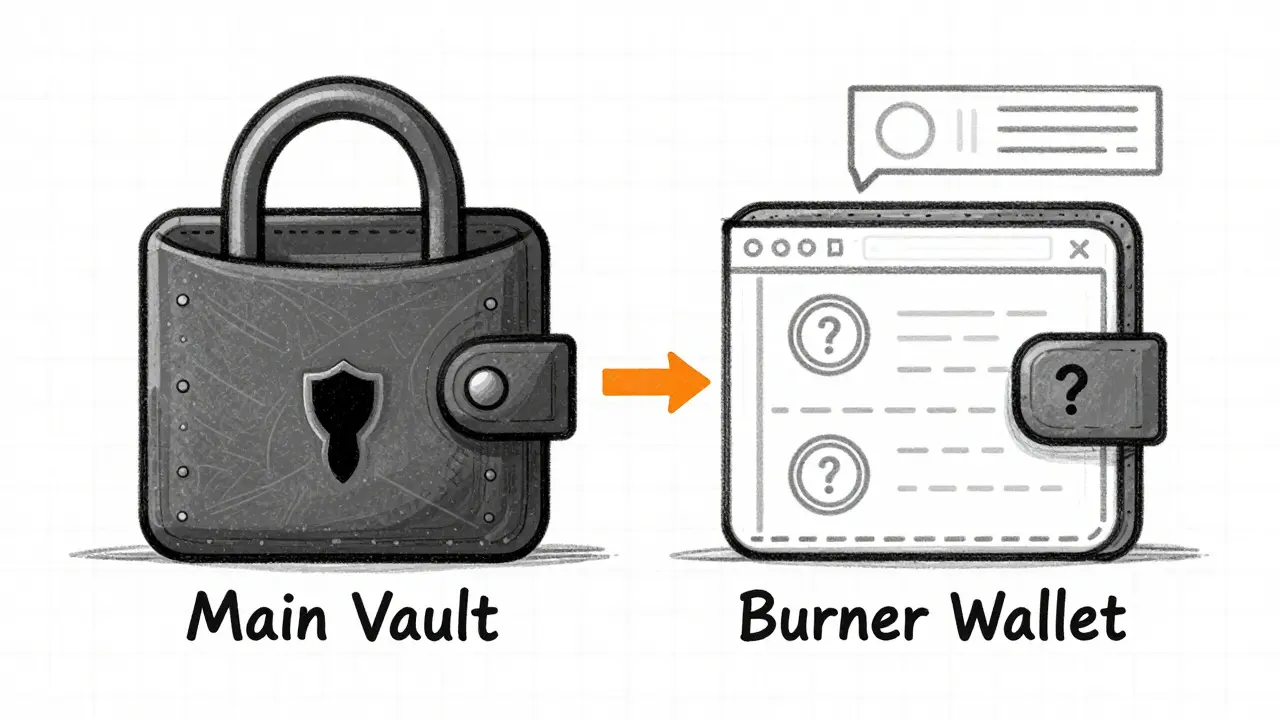
- The Fake Site: You are directed to a URL that looks similar to CoinMarketCap but has subtle differences (e.g., coinmarketcap-airdrop.com instead of coinmarketcap.com). The design mimics the real site perfectly.
- The Connection Request: To "claim" your tokens, the site asks you to connect your crypto wallet (like MetaMask or Trust Wallet). This seems harmless enough.
- The Trap: Once connected, the site may ask you to sign a transaction. This signature authorizes the scammer to spend your funds. Alternatively, the site might trick you into entering your 12-word seed phrase under the guise of "verification."
- The Drain: Within seconds, the scammer drains your wallet of all valuable assets-ETH, USDT, BNB, etc. The CDONK tokens you were promised never arrive.
This method is highly effective because it exploits greed and trust. Blockchain security firm CertiK reported dozens of active phishing domains impersonating "CoinMarketCap CDONK Airdrop" portals in late 2025. These sites were traced to a single Ethereum address linked to over $287,000 in stolen assets from more than 12,000 victims.
Red Flags to Watch For
You don’t need to be a cybersecurity expert to spot a scam. Look for these common warning signs:
- Unsolicited Messages: Legitimate projects rarely DM individuals randomly. If you didn’t apply for a whitelist or follow the project closely, you are likely not eligible.
- Urgency: Scammers create false urgency. "Claim within 24 hours or lose out!" This pressure prevents you from thinking clearly.
- Too Good to Be True: If someone offers you thousands of dollars worth of tokens for doing nothing, it is a scam. Real airdrops require significant effort, such as using a protocol over months.
- Spelling Errors: Check the URL carefully. Look for misspellings in the domain name or awkward phrasing in the text.
- Requests for Private Keys: No legitimate service will ever ask for your private key or seed phrase. Period.
Social media platforms are flooded with bots promoting these scams. On Reddit, communities like r/CryptoAirdrops have documented numerous reports of users being targeted by fake CDONK portals. Trustpilot reviews for CoinMarketCap consistently warn users that the platform never asks for advance payments or private keys.
Legitimate vs. Fake Airdrops
Not all airdrops are scams. Many reputable projects distribute tokens to reward early adopters. However, there are clear differences between legitimate campaigns and fraudulent ones.
| Feature | Legitimate Airdrop | Fake Airdrop (e.g., CDONK Scam) |
|---|---|---|
| Source | Official project website, verified Twitter handle, or major exchange announcement. | Random DMs, suspicious URLs, or unofficial Telegram groups. |
| Requirements | On-chain activity (swaps, staking), holding specific NFTs, or completing quests on verified platforms. | Connecting wallet, signing unknown transactions, or entering seed phrases. |
| Token Value | Token has established liquidity, trading volume, and a clear utility or roadmap. | Token has zero volume, zero liquidity, and no functional product. |
| Verification | Listed on trusted trackers like CoinGecko or Airdrops.io with detailed mechanics. | No presence on verified trackers; only exists in promotional spam. |
| Cost | Free to participate, though you may pay gas fees for transactions. | May ask for small "gas fee" payments upfront or steal entire wallet balance. |
Platforms like CoinGecko and Airdrops.io maintain rigorous verification protocols. They only list airdrops that have been vetted by experts. CDONK does not appear on these lists. In contrast, legitimate projects like Arbitrum or dYdX had transparent eligibility criteria and massive community engagement before their distributions.
Protecting Your Crypto Assets
In the world of cryptocurrency, security is your responsibility. Here are practical steps to keep your funds safe:
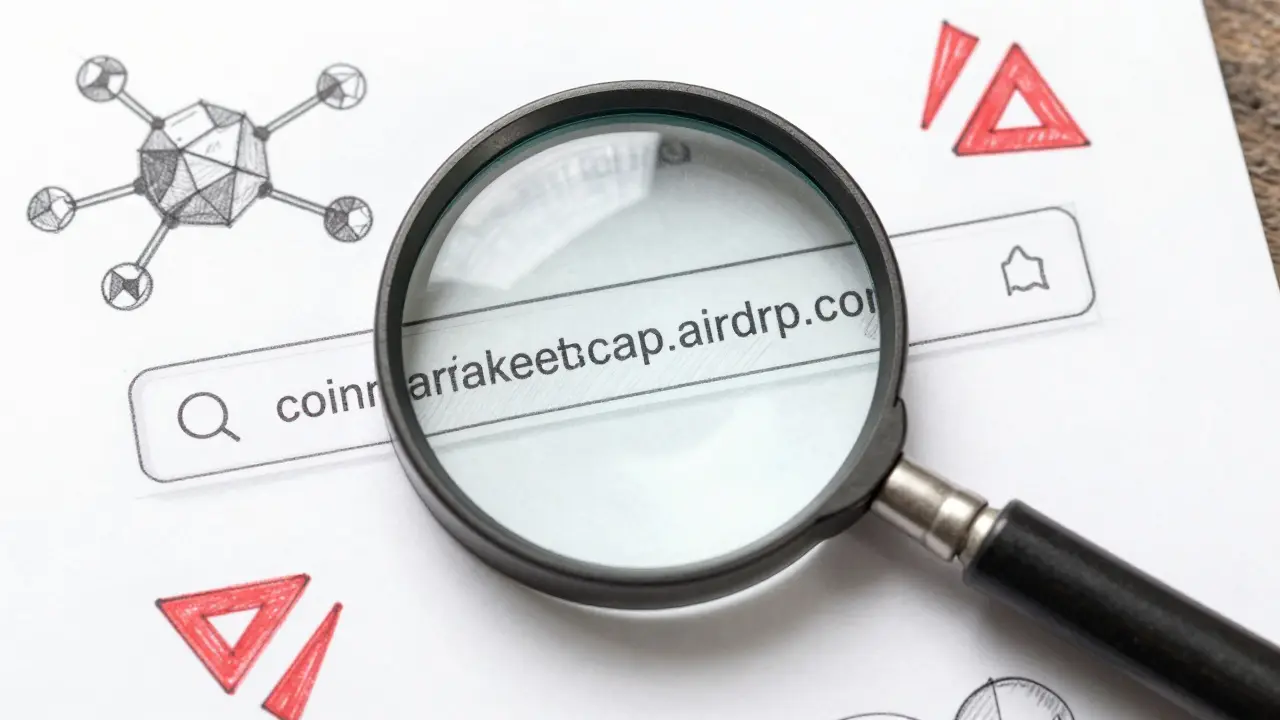
Use a Burner Wallet: Never connect your main wallet, where you store your long-term holdings, to unknown websites. Use a separate "burner" wallet with minimal funds for interacting with new or unverified projects. If it gets drained, the loss is contained.
Verify URLs Manually: Do not click links in messages. Instead, type the official website address manually into your browser. Bookmark the official sites of exchanges and trackers like CoinMarketCap and CoinGecko.
Check Contract Addresses: If you are interested in a token, always verify its contract address on a block explorer like Etherscan or BscScan. Compare it with the address listed on the official CoinMarketCap page. Mismatches indicate a fake token.
Enable Two-Factor Authentication (2FA): Use an authenticator app (like Google Authenticator or Authy) for 2FA on all your crypto accounts. Avoid SMS-based 2FA, which can be intercepted.
Stay Skeptical: If something feels off, it probably is. Take your time to research. Join official community channels (Discord, Telegram) and ask questions. If the moderators are silent or dismissive, walk away.
What to Do If You’ve Been Scammed
If you clicked a link and connected your wallet, act immediately. First, disconnect your wallet from the malicious site. Then, transfer any remaining funds from that wallet to a new, secure wallet. Do not reuse the compromised wallet. Next, revoke any approvals you granted to the scammer’s contract using tools like Revoke.cash. Finally, report the incident to the relevant authorities and share the scam details on social media to warn others.
Remember, once crypto is sent to a scammer’s address, it is nearly impossible to recover. Prevention is the only effective defense.
Is the CDONK X CoinMarketCap airdrop real?
No, the CDONK X CoinMarketCap airdrop is not real. It is a confirmed phishing scam. CoinMarketCap has explicitly stated that they do not host airdrops for this token, and the project CDONK has zero trading volume and legitimacy.
Can I get free CDONK tokens safely?
There is no safe way to get free CDONK tokens because the token itself is effectively worthless with no market activity. Any offer to give you these tokens is likely an attempt to steal your existing crypto assets.
How can I verify if a CoinMarketCap airdrop is legitimate?
Always check the official CoinMarketCap website directly. Legitimate airdrops will be listed on their dedicated airdrops page. Additionally, CoinMarketCap will never ask for your private keys or seed phrases. If a site requests this information, it is a scam.
What should I do if I connected my wallet to a fake CDONK site?
Immediately disconnect your wallet, move any remaining funds to a new secure wallet, and revoke all token approvals using a tool like Revoke.cash. Monitor your transactions for unauthorized movements and report the incident.
Why do scammers use the Club Donkey (CDONK) token?
Scammers use CDONK because it is a low-cap, obscure meme token with no real value. This makes it easy to create fake narratives around it without triggering immediate suspicion from investors who might recognize well-known brands. The lack of liquidity means victims cannot sell the fake tokens anyway.